german flag britsh flag

JETZT ANFRAGEN

What treatments are available in Ayurveda for skin problems

Skin which is the largest organ in the body is termed as twak in Ayurveda. It is considered as a sense organ responsible for touch sensation. Vayu mahabhootha is responsible for the sensation in skin. As per Ayurveda, skin is derived from raktha and is the main site of pitta dosha. Skin has seven layers, which protects our body, regulates body temperature and eliminate toxins.

Skin is considered to be the reflection of one’s internal state.  Any imbalance in dosas, the functional units in our body, affects the skin as well. 

Vata dominant skin is dry, flaky and prone to wrinkles. Hence an oil-based preparations are usually effective. Oil such as Coconut oil and sesame oil is good form Vatha types. 

Pitta dominant skin is prone to redness, acne and slightly oily. The herbs which are cooling and bitter in taste and also ghee based herbal preparations are generally good for Pitta types.   

Kapha dominant skin is oily and smooth and hence the herbs which are sharp and having scraping effect is very good for such types. 

Skin care in Ayurveda, including Ayurveda treatment in Berlin, aims at balancing the doshas which improves the overall health of body including skin. This has to be achieved  through proper diet and regimen. Mere external applications are not enough to get healthy skin.

Ayurveda for Skin Problems in Berlin

More over cosmetic products with mineral oil, paraffin, petroleum products, phenol carbolic acid, tolune, dioxane are even hazardous to our health. The basic necessity of a healthy skin is proper nutrition, sufficient sleep, regular exercise, hydrating the body and meditation practices to relax.

In Ayurveda classics we see reference about various herbs which are good for skin and for managing skin diseases. The herbs mentioned under ‘Varnya Gana’ and ‘Kushtangna’ are examples for such herbs. The herbs such as neem, Sandal, vetiver root, turmeric and combinations such as Thriphala choornam etc are generally good for skin according to Ayurveda. 

For serious skin aliments such as psoriatic spectrum condition mentioned as ‘Kusta’ in Ayurveda, repeated detox therapies are recommended. We often observe very good results in such conditions through Ayurveda Panchakarma therapies such as Vamana (Vomiting therapy) and Virechana (Purgation). 

In additional to these our diet also plays a major role in skin related issues and symptoms. The food items which are ‘Abishyandhi’ (The food that increases heaviness and obstructs the channels) such as regular use of certain fishes/seafoods, curd, black gram etc. are not advised when you are having skin issues. Also, certain foods combination, called as Viruddha Ahara (Incompatible foods) are also the causative factor for many of the skin conditions. The combination of milk products along with sour food items, combination of nonvegetarian food items with curd or yogurt, use of milk and fish together etc. are examples for that. 

 So skin is not just mere the external appearance or beauty, it is a complete reflection of our health and well-being. A holistic approach involving proper diet, lifestyle, and Ayurvedic therapies can help maintain vibrant, healthy skin while addressing underlying imbalance.

How Ayurveda helps us on the way to our desired weight

Obesity, or Sthaulya, is one among the eight undesirable physical features described in Ayurvedic classics. It is also a major risk factor for various health issues.  In Ayurveda classics we can see references how obesity leading to various health conditions. Obesity is due to the vitiation of Kapha Doshas and Medho Datus. 

Management of obesity in Ayurveda is done through maintaining balance on the doshas through a proper diet and routine and also through eliminative therapies.  From a modern perspective, weight management involves understanding the relationship between calorie intake and expenditure, that is how much energy we consume versus how much we utilize.

To effectively manage weight, it is essential that we need to understand how our body is utilising the energy 

Basic Metabolic Rate (BMR)

The primary calorie-burning process in our body happens through our Basic metabolic activity or rate (BMR). If this basic metabolic rate is good, it ensures that the energy from our diet is utilized efficiently and it helps us stay fit and active. Various factors may affect this metabolic process negatively, such as the issues in the lifestyle and diet habits, changes in age and hormonal condition and due to some systemic illness. 

Ayurveda food for weight loss

Ayurveda treatment for weight loss focuses on enhancing metabolism through therapies such as Panchakarma detox procedures, herbal remedies, and dietary adjustments.
These detox therapies help eliminate ‘Ama’ (toxic waste) from the body, which negatively impacts metabolic functions.

Various herbal combination is also advised as an Ayurvedic remedy for weight loss which are having the property to enhance Kapha and Medho ( Fat) metabolic properties.  

Physical Activity

Physical movement is important in burning calories. The more active we are, the more energy we spend. Increase your physical activities wherever possible, such as walking, cycling, using the steps instead of an elevator etc. and also engaging in hobbies that requires physical effort can significantly contribute to calorie burning. 

Plan your daily routine, based on Ayurveda principles considering your body nature and physical strength aiming to increase your physical activity.  

Digestive Process

The digestion process itself utilizes energy, and this will be influenced by the type of food which we consume. A meal plan which is rich in fibers and complex carbohydrates ensure the proper digestion. On the other hand, processed foods and “empty calories” can slow down digestion, leading to weight gain.

Ayurveda recommend to follow a mindful eating, where eating as considered as a ritual. While consuming food, one should approach it with a clear and respectful mind, recognizing that the food’s energy is sacrificed for our nourishment or betterment. This involves eating slowly, savouring each bite with all senses and a well-balanced meal which is warm and unctuous. 

Mindful eating also consists of choosing the right food and spices according to one’s body constitution and health condition. 

According to Ayurveda, meal planning should align with the dominance of Doshas. A warm, protein-rich breakfast is ideal to kickstart the day. Let Lunch be the main meal of the day, eaten during mid-day when digestion is strongest due to the dominance of Pitta Dosha. A light warm dinner, early in the evening is ideal as Vata Dosha dominates during this time and metabolic activity slows down. Additional to this ensure a gap of 3–4 hours between meals and avoid in-between snaking.  

Exercise

While exercise may not result in immediate, dramatic calorie burning, it significantly improves BMR and overall metabolism. Ayurveda recommends including exercise as a part of daily routine (Dinacharya). Practices such as walking, yoga, and strength training help build muscle tone, enhance joint health, and improve endurance.

Strength training, in particular, is crucial as healthy muscles provide support to joints and improve physical performance. Ayurveda advises exercising in the morning on an empty stomach, which encourages the body to utilize stored fat for energy, thereby accelerating metabolism.

Ayurvedic Home Remedies for Winter Health and Well-being

Celebrate the first birthday of Nattika Ayurveda retreats; let the world see the growing global interest in Ayurveda, health, and wellness. Two major things that contribute to the worldwide embrace of Ayurveda treatments is the increase in non-communicable diseases due to a rise in violence across the world and the adverse effects of climate change. It puts Ayurveda in the spotlight, pointing out its being holistic as such, which can show which causes imbalances and should have appropriate seasonal regimens in place to address climate-related health concerns.

Below are three simple Ayurvedic remedies that can prepare at home:

Medicated Camphor Oil consisting of sesame or coconut oil, carom seeds, and camphor crystals is often very well to use for massages to relieve pain of a kind, arthritis, and stiffness, and congestion. It is meant to give rejuvenation to the respiratory system.

Herbal Coffee is mainly a caffeine-free drink made by mixing powder of coriander, unground dry ginger, cardamom seeds, pepper, and sugar candy/jaggery. This helps nipping colds and coughing at the bud and deals with all those cold winter problems.

Park am see winter wellness

Homemade Ghee, manufactured by melting unsalted butter and boiling it down to separate the milk solids from it, is a pure nourishing ingredient to provide strength to digestion and immunity and to skin health.

Ayurveda Hotel Germany represents a radiance in the world as well as being a statement to promote health, wellness for greater people.

Meditation for Stress Relief on Vacation: A Beginner’s Guide

Stress and hectic schedules are a constant in modern life. Many people seek ways to relax and unwind during vacations. Taking up some relaxing vacation or just some days off work just to unwind naturally becomes kind of fun for many. Together with relaxation techniques meditation would bring about a phenomenal experience. This blog will enlighten you on the ways by which meditation can be incorporated into vacation time by beginners for stress relief and to achieve inner tranquility.

Why Meditation is Especially Effective
During Vacation

The holidays are the best time to relax because a change of surroundings, combined with no daily responsibilities, provides the best conditions for meditation. Travel becomes meditation that improves focus, brings inner peace, and makes for better self-connection.

Step-by-Step Guide: Starting
Meditation During Vacation

Step 1: Find a quiet place, make yourself comfortable and relax with deep breaths.

Step 2: Consciously let go of your thoughts and enjoy the moment.

Relaxation techniques

1. Relaxation Techniques to Support Meditation


Mindful breathing: A simple exercise to calm the mind.

Progressive muscle relaxation: Gradually relax different parts of the body.

Visualization: Imagine a serene place like a sunny beach or forest.

2. More Practical Tips for Beginners 


Set realistic expectations: It is a process that actually takes time, and one should be patient about the results. 

Be consistent: Schedule a daily meditation practice regardless of vacations.

Use resources: Use of guided meditations by apps like Calm or Headspace.

3. Basics of Meditation for Beginners


What is meditation? A brief explanation of the practice and its benefits.

Meditation for beginners: in terms of simple breathing with mindful body awareness and letting go of thinking.

Essential tools: Comfortable clothing, a quiet environment, and perhaps a meditation app.

4. Best Destinations for Meditative Relaxation


Yoga and meditation retreats: Guided meditation in professional centers.

Nature-rich locations: Forests, mountains, or beaches are ideal for relaxation.

Wellness hotels: Many hotels offer special relaxation and meditation programs.

5. Long-term Benefits of Meditation in Daily Life


Reduced stress: Regular meditation helps maintain calmness in the long run.

Improved sleep quality: Meditation promotes deeper, more restful sleep.

Increased mindfulness: Everyday life becomes more vivid and conscious.

The Park Am See Ayurveda Cure in Germany offers a unique combination of meditation, Ayurveda treatments and holistic relaxation in an idyllic setting. Here, one can learn the basics of meditation, yet still dive more deeply into one’s inner balance with bespoke Ayurvedic treatments and relaxation techniques.

Book into Park Am See and experience how a vacation can be much more than just a break from everyday life into something transformative in terms of bringing more peace and health into a life. Here begins your way to sustainable relaxation!

Frequently Asked Questions

What are the main benefits of practicing meditation?

Meditation offers a range of mental, emotional, and physical benefits. It helps you focus on the present moment, increasing awareness of your thoughts and feelings without judgment. This practice can reduce stress and negative emotions, enhance self-awareness, and improve concentration. Physiologically, it may help lower your heart rate and blood pressure. Meditation may also assist in managing stress-related conditions such as anxiety, depression, and chronic pain.

Several meditation techniques can effectively help relieve stress:

  • Focused-attention meditation involves concentrating on a single point, like your breath or a mantra, to quiet the mind.
  • Mindfulness meditation encourages observing thoughts and emotions without judgment, promoting acceptance and presence.
  • Body scan meditation brings awareness to different parts of the body, helping release tension and increase relaxation.
  • Visualization or guided imagery uses calming mental images to create a sense of peace and reduce anxiety.
  • Loving-kindness meditation (Metta) focuses on generating feelings of compassion and goodwill towards yourself and others, which can reduce negative emotions.
  • Movement meditation practices like yoga, Tai Chi, or Qigong combine gentle physical movements with breath awareness to calm both mind and body.

These techniques can be practiced individually or in combination to support mental and emotional well-being.

Starting meditation for stress relief is simple and doesn’t require special tools or experience. Here are a few tips for beginners:

  • Choose a technique that suits you, explore different methods like mindfulness, body scan, or guided imagery to see what feels right.
  • Begin with short sessions, just a few minutes a day is enough to build the habit.
  • Create a quiet, comfortable space, sit in a relaxed position where you won’t be easily distracted.
  • Let go of judgment, it’s natural for your mind to wander; gently bring your attention back without frustration.
  • Use guided meditations or apps, tools like Calm or Headspace can provide structure and support.
  • Be consistent, meditating regularly, even briefly, is more beneficial than doing long sessions irregularly.

With time and practice, meditation can become a powerful tool for managing stress and improving well-being.

Incorporating meditation and mindfulness into your vacation can enhance relaxation and deepen your experience. Here’s how you can do it:

  • Start mindfully before your trip by setting an intention for a present and peaceful journey. Practice mindful breathing and pack light to reduce stress.
  • Use travel time as an opportunity for mindfulness, observe your surroundings, focus on your breath, or listen to guided meditations while in transit.
  • Be present at your destination, take time to absorb the new environment using all your senses instead of rushing through activities.
  • Engage in mindful activities like beach walks, forest bathing, yoga or mindful eating to connect with the moment.
  • Take a digital detox, limit screen time and focus on real-world experiences and interactions.
  • Practice connection and gratitude by interacting meaningfully with locals and companions, using loving-kindness meditation, or keeping a gratitude journal.
  • Let go of rigid plans and be open to spontaneous moments, allowing your vacation to unfold naturally and mindfully.

These practices can help transform a regular trip into a truly restorative and enriching experience.

Traveling doesn’t have to disrupt your mindfulness practice, there are several meditation techniques that are easy to incorporate on the go:

  • Mindfulness Meditation: Focus on your breath and observe your thoughts without judgment. It can be done sitting, standing, or even walking.
  • Guided Meditation: Use apps or online recordings to follow along, especially helpful in unfamiliar or distracting environments.
  • Body Scan Meditation: Bring awareness to each part of your body, noticing sensations without trying to change them.
  • Breathing Exercises: Techniques like the 4-7-8 method, inhale for 4 seconds, hold for 7, exhale for 8, can calm your nervous system and reduce stress.
  • Walking Meditation: Move slowly and mindfully, paying attention to your steps and surroundings. Ideal for airports, parks, or city streets.
  • Mantra Meditation: Repeat a calming word or phrase silently to help center your mind during travel.

These techniques are adaptable and can help you stay grounded, centered, and relaxed wherever you are.


Meditation Practices for Inner Calm: Preparing for the New Year

As the year comes to a close, times to recognize the good / bad habits makes last year more stress or what makes more better in the next year. Is very common to make a new year resolution every year especially for some good habits like meditation/exercise/ good food, but most of the time it’s difficulty to be practical so this year we help to be in the routine. So this year we can make it awesome one with the believe of our energy and exploring with our life. Let’s explore.

  1. Gratitude Meditation

A simple holiday meditation involves setting aside 10 minutes daily to sit in a quiet space. Close your eyes, take a few deep breaths, and focus on gratitude. Reflect on the moments of joy from the past year, and let feelings of appreciation fill your mind. This practice not only calms your nervous system but also cultivates a heart full of positivity.

  1. Guided Meditation

A straightforward holiday meditation entails (setting aside) 10 minutes each day to occupy a tranquil space. Close your eyes; take a few deep breaths and concentrate on gratitude. Reflect on the moments of joy experienced over the past year (however) allow feelings of appreciation to saturate your mind. 

Ms Luise

This practice not only calms your nervous system, but also fosters a heart brimming with positivity, because it invites a deeper connection to one’s experiences. Although it may seem simple, the impact can be profound.

  1. Mindful Breathing

Sit comfortably and inhale deeply for several counts. Hold your breath for the same counts as your inhalation. Exhale slowly for a few more counts than you’re holding and inhalation time. Repeat this cycle for 5 minutes and notice how your mind feels more relaxed and focused. Mindful breathing not only eases anxiety (however) it sharpens your awareness, allowing you to fully enjoy the moments of togetherness that holidays bring (because) this practice cultivates a sense of tranquility.

  1. Candle Light Meditation

The conclusion of the year serves as an opportune moment for introspection and rejuvenation. Set aside a tranquil evening for contemplative meditation: assume a comfortable posture, illuminate a candle and center your thoughts. You might consider (for instance) what you have been grateful for throughout this year, the challenges you have surmounted and the insights garnered from those experiences. Furthermore, contemplate your aspirations and hopes for the upcoming year. Burn away the negative aspects of the past year and ignite affirmations for the new year, enveloping your body and mind in a sense of fullness. This method of meditation fosters a feeling of closure regarding the previous year; however, it also establishes a foundation for a purposeful beginning. Cultivating calmness (5) is essential: by incorporating meditation into your daily routine, you can make it a sustainable practice. Start with a modest commitment of merely 5 minutes per day, gradually increasing the duration as it becomes woven into your lifestyle. Although we often prioritize time for others and responsibilities, we must also allocate these few minutes for ourselves to replenish our energy—so we can disseminate it into our surroundings.

  1. Cultivating Calm: Incorporating Meditation into Your Routine

To make meditation a lasting habit, start small. Commit to just 5 minutes a day and gradually increase as it becomes part of your routine. Pair it with existing habits like meditating after your morning coffee or before bedtime to make it seamless.

You can also try meditating with family or friends during holiday gatherings. Group meditation fosters connection and amplifies the calming energy.

Embrace the Power of Meditation

Meditation is more than a stress-relief tool; it’s a gateway to mindfulness, gratitude, and inner peace. As you navigate the holidays and prepare for the year ahead, let meditation be your anchor, a gentle reminder to slow down, breathe, and cherish the beauty of the present moment.

By nurturing your inner calm, you’ll step into the new year with clarity, resilience, and an open heart. So, find a quiet space, close your eyes, and start your journey to a more peaceful you with Park Am See Ayurveda Germany.

Happy Holidays and a Mindful New Year!

Detox and Digest: The Role of Ayurveda in Post-Holiday Health


Why is detoxing after the holidays important?

After an exhilarating holiday, we feel worried as we indulge into sumptuous eating, drinking and an erratic routine. This accumulation of toxins in the body makes our digestion sluggish ultimately leading to downswing of the general wellness of an individual. In this instance, focused detoxification helps in restoring the balance in the body.

The Connection Between Digestion and Detoxification

Digestion is considered as the main pillar of health in Ayurveda, called ‘Agni’. When this Agni is impaired due to our improper deeds, it tends to slow down and gradually leads to accumulation of toxins(Ama) in the body.  This is when Detoxification comes into action. Hence we need to eliminate these accumulated toxins out of the body, thereby, improving the digestion and gut health of an individual. Apart from absorbing nutrients, good digestion also implies effective elimination.

Ayurveda Principles for a Complete Detox

Delicious Detox Food
  • Light, Warm, Natural Foods: Ayurveda detox recommends intake of easily digestible foods such as steamed vegetables and mung dal soups cookies with rice so as to reignite the digestive fire in your body. 
  • Herbs and Spices for Digestive Support: Spices like ginger, turmeric, and fennel boosts digestion and supports the body’s detox process.
  • Abhyanga: Ayurvedic Oil Massage: Regular practice of herbal oil massages augment the lymphatic flow and also promotes easy elimination of toxins through skin.
  • Panchakarma: Deep Detox: Panchakarma is a fundamental part of Ayurveda, rendering a sequential pattern of procedures for cleansing the body. The treatments include herbal enemas, purgation, nasal drops instillation etc, that are customised to the needs of an individual.

Ayurvedic Rituals for Post-Holiday Recovery

  • Morning Routine with Warm Water and Lemon: Practising this simple procedure helps in cleaning the stomach and improves the nutritional absorption rate in the body and prepares you for the day. 
  • Meditation and Yoga: Yoga enhances circulation, relieves tension, and enhances detoxification, while meditation reduces stress and revitalizes mental clarity.
  • Triphala for Gut Health: This Ayurvedic remedy intensifies healthy digestion and uplifts the bowel movements. 

Why Choose Ayurveda for Sustainable Health?

It is more than a mere detox: Ayurveda aims at establishing harmony inside and out -the body, mind and soul. It proposes therapeutic procedures that are exclusively planned for reviving the health in an individual that was once disrupted due to improper activities. 

An Ayurvedic detox after a blissful holiday season cleanses and rejuvenates the body while improving general well being. Park Am See Ayurveda Cure in Germany offers authentic treatments and tailored object-based therapies for sustainable wellbeing.

Frequently Asked Questions

What are sustainable ways to support digestive detox without fad diets?

Instead of relying on short-term detox plans, focus on long-term habits that naturally support gut health. Drink plenty of water to keep digestion moving, eat fiber-rich foods like fruits, vegetables, legumes, and whole grains to promote regularity, and include probiotics from yogurt, kimchi, or supplements to maintain healthy gut bacteria. Adding resistant starches from foods such as rice, potatoes, and green bananas feeds beneficial microbes, while antioxidant-rich foods like ginger and leafy greens reduce bloating and inflammation. Limiting processed foods and excess sugar also helps protect digestion over time.

Signs of poor gut health often go beyond occasional discomfort. Persistent bloating and gas may indicate bacterial imbalances or food sensitivities. Irregular bowel movements, whether constipation or diarrhea, are red flags that your digestive system is struggling. Unexplained fatigue can result from poor nutrient absorption, while skin issues like acne or eczema may also be linked to gut imbalances. If these symptoms continue, it’s a good idea to seek professional guidance instead of quick fixes.

Short-term detox diets often promise quick results but can harm your body more than help it. Many lack essential nutrients such as protein, fiber, and healthy fats, which are vital for proper digestion and energy. Overuse of laxatives or diuretics can cause dehydration and disturb electrolyte balance, leaving you feeling weaker instead of healthier. Sustainable, balanced eating is safer and more effective than restrictive detox plans.

A gentle detox focuses on resetting your digestive fire (agni) with light foods, warm drinks, and herbs rather than strict fasting.

  • Avoid heavy, leftover, deep-fried, or processed foods.
  • Eat simple meals like khichdi, soups, and broths.
  • Increase fiber with salads, sprouts, and leafy greens.
  • Replace refined sugar with jaggery or dates.
  • Drink warm water throughout the day to flush toxins.
  • Cook with detoxifying herbs such as turmeric, cumin, ginger, coriander, and fennel.

A consistent daily routine helps the body eliminate toxins and maintain balance.

  • Start mornings with warm lemon water; add honey to lukewarm water for extra detox support.
  • Do an oil massage (Abhyanga) with sesame or coconut oil to boost circulation.
  • Practice oil pulling (swishing oil in the mouth for 10 – 15 minutes) to remove oral toxins.
  • Use a tongue scraper each morning to clear overnight buildup (ama).

Small lifestyle changes and herbal support can make detox more effective.

  • Sleep: Prioritize 7 – 8 hours of rest for natural healing.
  • Exercise: Do light activities like walking, yoga, or Surya Namaskar; practice Vajrasana after meals to aid digestion.
  • Mindful Eating: Eat calmly, in moderation, without distractions.
  • Stress Management: Practice meditation, breathing exercises, or pranayama.
  • Herbal Remedies:
    • Triphala at night for digestion and colon health.
    • Ginger tea for soothing the stomach.
    • CCF tea (cumin, coriander, fennel) to support metabolism.

Yoga and Nature: A Healing Journey at Park Am See Ayurveda Cure Germany

Park Am See makes you be in the present moment. And we think gratuitously humans are the most precious creature in the world. Located on the picturesque western shore of Lake Tollensesee in Mecklenburg-Vorpommern, Park Am See ayurveda cure in Germany is more than just a getaway. It’s a place where yoga and nature come together to create a deeply healing experience, both for the body and the mind. 

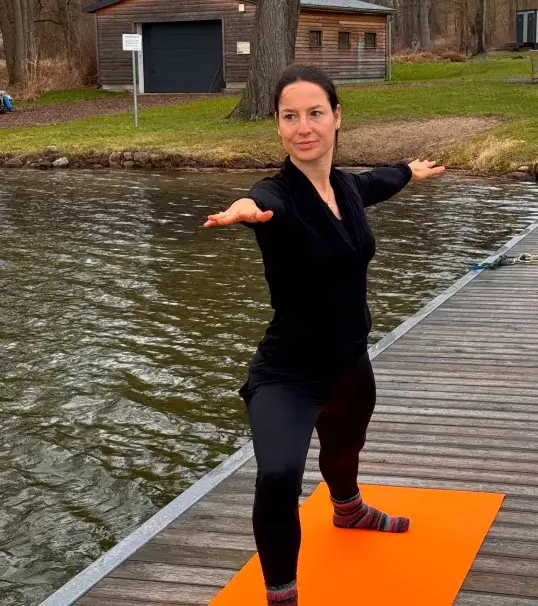
Picture this: you step onto a yoga mat surrounded by tall trees, grasses, flowering gardens with butterflies, chirping of birds, giggling of squirrels, and the warmth shining sunrays. This connection with nature brings a sense of energy and calmness to every yoga session making it truly unique by the experience of 5 elements of body with natural healings.

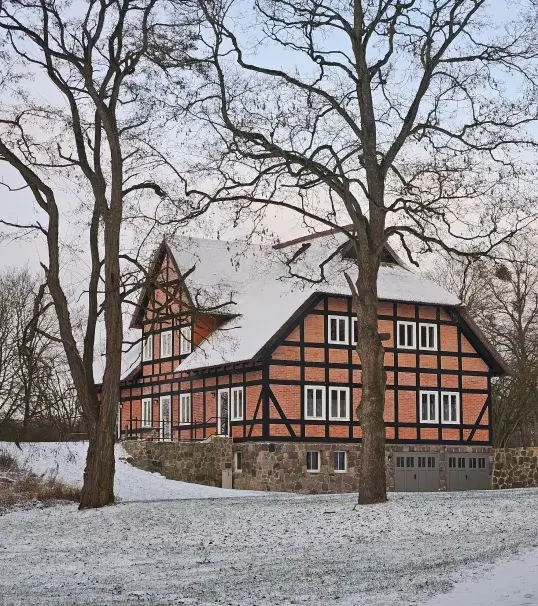
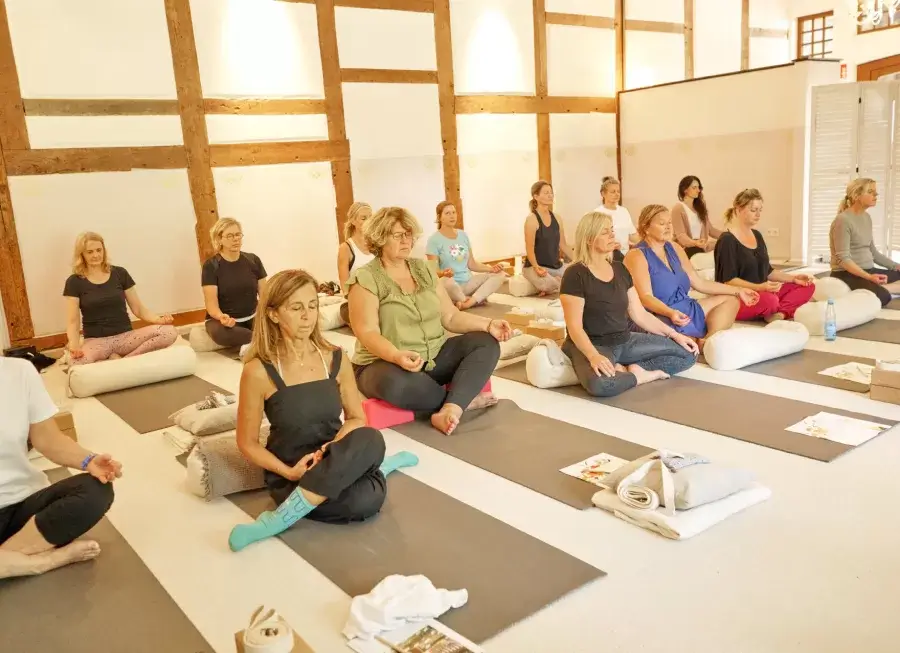
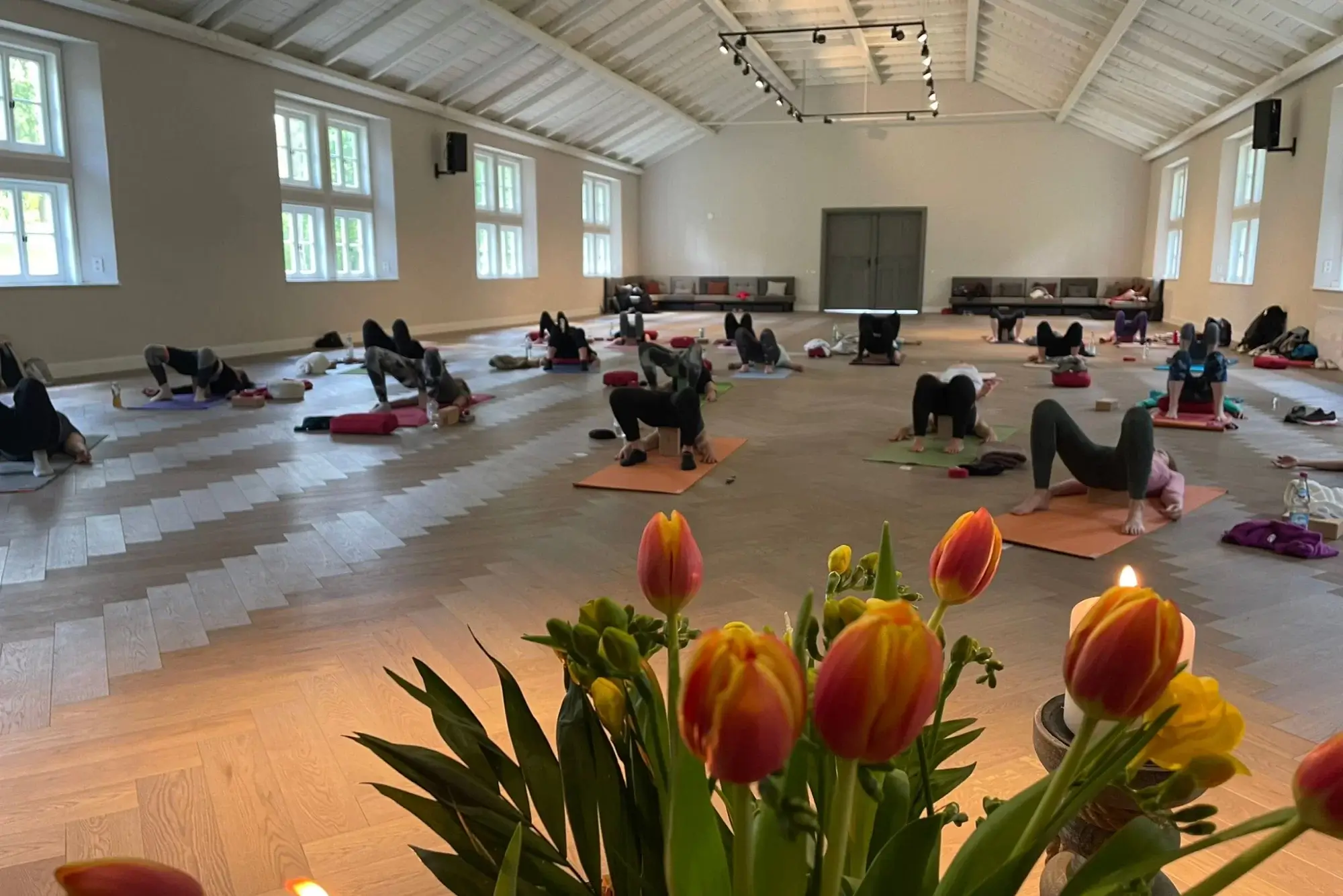
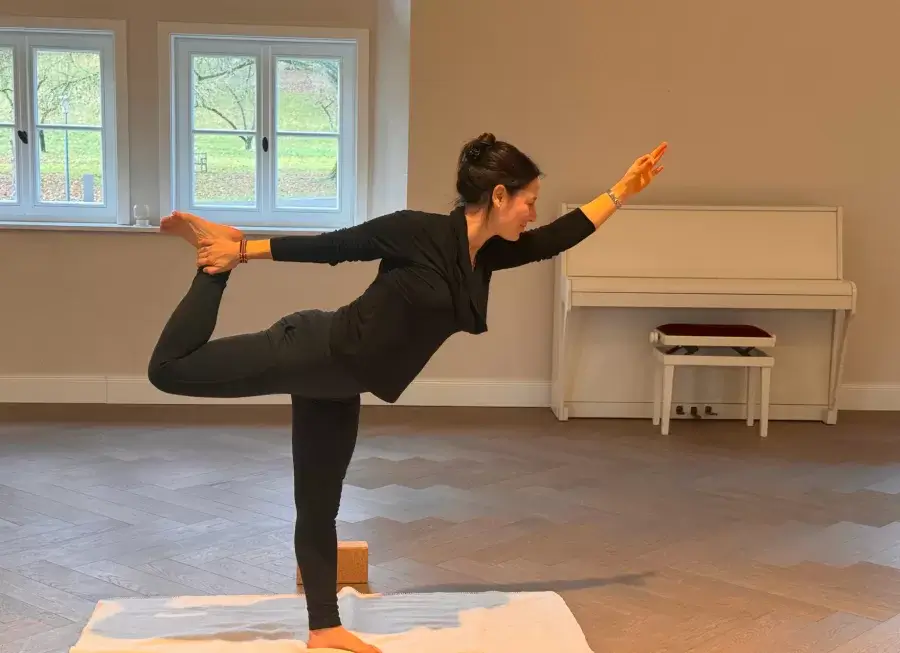
At Park Am See, yoga is not confined to closed spaces. The charming, thatched yoga room complements the traditional half-timbered architecture of the surrounding area and, at 400 square meters, opens up a wide space that invites you to intensify the connection between body, mind, and environment. The earthy smells and vibrant greenery around you create a perfect setting for practicing yoga and reconnecting with yourself — an experience that truly reflects the essence of Ayurveda and Yoga Hamburg.

One of the most memorable experiences is practicing yoga in such a  serene environment. The fresh air revitalizes your body, the natural sounds calm your busy thoughts, and the beauty of the surroundings reminds you to slow down and enjoy the moment. It’s not just about stretching or holding poses—it’s about healing your mind, body, and soul.  

Yoga Und Natur

Guests often share how this unique blend of yoga and nature at Park Am See transforms their perspective. Many come here seeking rest, but they feel more energised and healed their body and mind. The magical hands of nature make us easier to connect within ours.

 Whether you’re a beginner or an experienced yogi, practicing yoga at Park Am See Ayurveda Cure Germany offers helps to experience what you really learn in the texts easy to search back to inner energy to listen the aim of our life our own sound to boost our energy channels and centres. Make stronger aura—the protective layer. Elles more gratitude and blessings feelings back to your divinity.

Prioritizing Self – Care Through Ayurveda

In today’s fast paced world, where everyone spend most of their daily hours working through their busy schedules or doing household chores, they seldom find time for themselves which will eventually lead to various illness.

Ayurveda, the ancient science of life emphasizes on the importance of self-care for our well-being.  It is very important to maintain a work-life balance that keeps us physically, mentally and emotionally active and fit. The ancient scholars of Ayurveda has mentioned certain routine that can be incorporated into the everyday life, also called as Dinacharya. It includes a set of practices like waking up early before sunrise, elimination of body wastes, brushing teeth, practicing nasal drops and oil pulling, exercise, yoga, meditation and an oil massage ending with a warm water shower completing the morning routine. These practices helps to maintain good hygiene and health as well as prevent occurrences of diseases. It will also help in starting the day with a positive note. 

Keeping aside an hour or two to engage in your favorite hobbies, journaling or connecting with family and friends is a much needed habit, which helps to release the happy hormones and relieve the stress of the day. 

Ayurvedic Self Care

Using this time as a digital detox and staying away from the screen, is also a good way to repair the mind from the day’s tension. Eating healthy and nourishing foods will also satisfy your body and mind. Owing to the mind-gut connection, it is advised to avoid eating while you are stressed, as it may affect the digestion. Instead it will be good to take a deep breath before starting the meal, which will relax the mind and aid a better digestion. 

One may also engage in skin care routines at the end of the day to keep your skin look healthy, free from the fine lines and wrinkles, because who doesn’t like looking young!! Getting enough sleep at least for 7-8 hours every night will help your mind to heal and rejuvenate. Engaging in a small prayer or expressing gratitude to the supreme power for the day’s blessings before going to bed will also calm down your mind and bring a positive energy.

Always keep in mind, self-care is not being selfish. It’s essential to live a happy, healthy and balanced life. Incorporating simple changes to the daily regimen, will help in prioritizing your well-being and preparing yourself for the challenges that lies ahead of you. We, at the Park Am See Ayurveda Resort Germany, prioritize your needs and open the doorways to a healthy lifestyle with the treatments, diet and yoga, along with providing guidelines that help you attain a holistic health. Let us start taking care of our body, mind and soul through the age old wisdom of Ayurveda.

THRIVING THROUGH MENOPAUSE: A GUIDE TO HEALTHY LIVING

Menopause is one point in a continuum of life stages for women and marks the end of their reproductive years. It is a natural part of aging for women that occurs usually between the ages of 45 and 55 years. According to WHO, “menopause is deemed to have occurred after 12 consecutive months without menstruation for which there is no other obvious physiological or pathological cause and in the absence of clinical intervention.’

The menopausal transition can be gradual, spanning into three stages. Perimenopause stage can last several years where the hormonal shifts will start becoming noticeable. The menopausal stage occurs when the menstruation has stopped and you may experience all major symptoms of menopause. The Post-menopausal stage marks after complete stoppage of menstruation and the associated symptoms starts getting milder and gradually goes away, but they can slowly start the risk of developing osteoporosis and other health conditions. 

The menopause experience:

The decline in estrogen and progesterone hormone levels leads to a range of symptoms like:

Hot flashes, Night sweats, Mood swings and irritability, vaginal 

menopause

dryness, Sleep disturbances, Weight gain, increased blood cholesterol level, Low bone density, Changes in skin and hair. 

These symptoms can disrupt professional and personal life of a women and as the age goes by the changes associated with the menopause can affect the health of the women. Therefore, appropriate care during these stages are important for healthy ageing and also to improve the quality of life.

Dealing menopause in an Ayurvedic way:

In Ayurveda the process of ageing is a Vatha Dosha predominant process. The menstruation is guided by the Vatha and the Pitha Dosha in you. During menopause there is a decline in estrogen and progesterone level and these changes can lead to Vikrithi (imbalance) of the Vatha and Pitha dosha along with Kapha dosha. Ayurveda views this as a natural transformative stage of life and provides holistic approach to these changes through natural herbal remedies and daily routines. 

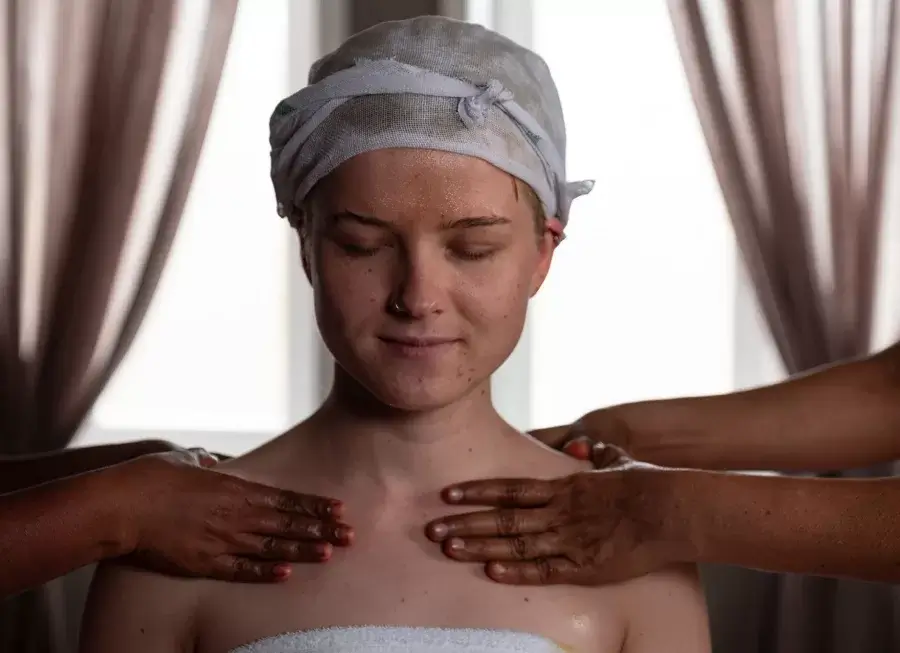
We at Park Am See aim to guide our guests toward healthy living habits through Ayurveda cure in Germany, helping women embrace this change with grace and vitality. The Ayurvedic massages like Abhyanga (oil massage), udwartana (powder massage), Panchakarma (five detoxifying procedures), Sirodhara (with herbal oil, herbal decoction or medicated buttermilk) and various other Ayurvedic procedures under the guidance of expert Physicians can help you in navigating through menopause. 

We also provide individualized Diet Consultation where Ayurvedic principles that can be adopted for daily life is recommended. We also provide a delicious array of vegetarian buffet at our restaurant ‘VaPiKa’ where foods are prepared and categorized into Vatha, Pitha and Kapha that strides you to a healthy way of eating. Along with these the Yoga, Pranayama and Meditation sessions will help in relaxing the mind.

Menopause is not an ending, but it is the beginning of a new phase of life. And Ayurveda renders extensive opportunities to support and empower you in this metamorphic journey, so that you can enfold your inner wisdom, unlock your full potential and spring-up stronger, wiser and more gleaming than ever.

Daily and Seasonal Health Revitalization with Ayurveda at Park Am See, Germany

Ayurveda the SCIENCE OF LIFE is the ancient old science which emphasizes on the holistic approach of health. Holistic health is an approach to wellness that addresses the physical, mental, emotional, social and spiritual components of health. Health in Ayurveda is a balanced state of body, mind & spirit. Thus diseases occurs due to an imbalance between your body, mind & spirit as a result of lifestyle changes, climate changes etc. The two approaches in ayurveda is to maintain the health of a healthy person and treat the diseased.

So maintaining the healthy state is equally important as treating the diseased. To maintain the healthy state of a person, Ayurveda has regimens to follow such as daily regimen (Dinacharya) & seasonal regimen (Ritucharya) . To treat the imbalance we focus on the use of herbal remedies, detoxification methods and mental health practices such as meditation and yoga to enhance overall wellness.

Dinacharya, is a concept which explains the routine to be followed in daily life . Daily routines explained in Ayurveda starts from waking up in early morning, cleaning teeth, tongue scraping, cleaning face, gargling of mouth, nasal instillation, application of collirium, oiling the body, bathing, proper food intake and proper sleep.

Remunerations

Ritucharya ,(Ritu means season and Charya means regimen) is the ayurvedic practice called seasonal regimens which consists of lifestyle and diet guidelines adapted in each season according to the seasonal variations. This helps the body to cope up with the changes that occurring within due to each season.  Following these seasonal regimens can help people balance the doshas and prevent lifestyle disorders, for example in hot & dry season , we should eat cold, light, bitter foods.

In Park Am See Nattika we focus on these regimens along with the treatment aspects as it adds up to the overall health and wellness of a person .We have a daily routine that can be followed during your stay starting from the dinacharya kit that can be used daily which contains ayurvedic tooth powder for tooth cleaning, tongue scraper for tongue cleaning, medicated nasal drops for nasal instillation, oil for oil pulling in mouth . Mental health is equally important as well as the physical health in overall wellness, at Park Am See Nattika yoga and meditation provided daily helps to regain the mental balance and reduce stress. Pranayama is another practice (Prana means life energy and Ayama means to extend or draw out) which helps in respiratory health, improve circulation & mindfulness. Yoga helps to improve your flexibility, strength & balance whereas meditation helps with anxiety, stress and other mental health issues. Along with the practice of regimens & yoga, treatments and personalized consultation with doctor, customized diet all together helps to know your body and your imbalance. 

The routine followed here helps you to maintain a healthy state in the future. At Park Am See Nattika, a team of dedicated doctors and yoga masters emphasizes maintaining health through the holistic approach of Ayurveda. This renowned center also offers effective Ayurveda Cure in Germany, providing comprehensive wellness solutions.