german flag britsh flag

JETZT ANFRAGEN

Which is Best: Yoga or Exercise for Weight Loss?

Introduction

In today’s world of fast food, busy schedules, and nuclear families, many people struggle to maintain a healthy lifestyle. Cooking at home has become less common, and physical inactivity is on the rise—leading to weight gain and other health issues. 

Life has given the weight loss arena a plethora of fitness trends and fads. But yoga and traditional exercise have remained from time immemorial. When it comes to weight loss, which is more effective and sustainable-different yoga practices or the uphill down-world bustle of more conventional exercise?

Yoga and conventional exercise present contrasting gifts that thrive in philosophies of wellness actualized at places like an Ayurveda Park or in a blissful yoga retreat. Whether you are starting your new-time wellness journey or trying to go deeper in the practice, knowing the strengths of each will insure your choosing the one that best fits your health and lifestyle goals.

According to the World Health Organization (WHO), a Body Mass Index (BMI) above 25 is considered overweight.

There are many reasons behind weight gain, including:

  • Lack of regular exercise
  • Unhealthy eating habits
  • Medication side effects
  • Post-pregnancy weight gain
Yoga Weight Loss
  • Hormonal imbalances
  • Hereditary factors
  • Underlying medical conditions

Yoga: A Journey Beyond the Physical

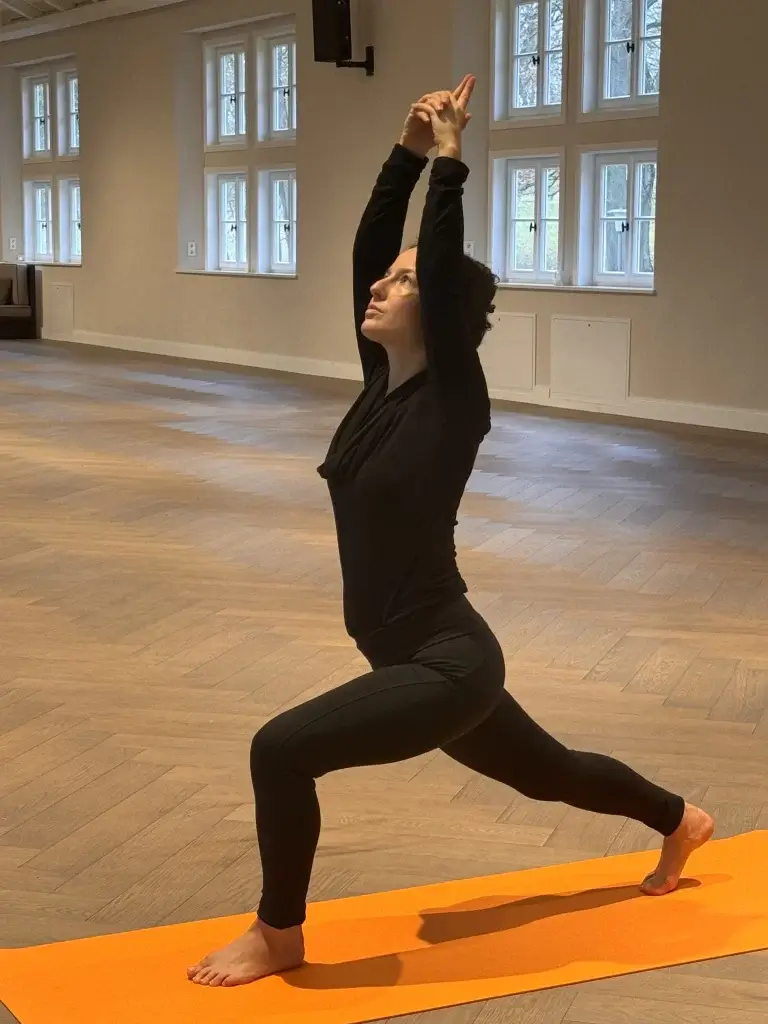
Yoga is not merely stretching; it is a way of bringing harmony among body, mind, and spirit. Though some may ridicule its efficacy for weight loss, yet it is known that Hatha yoga. Vinyasa, Ashtanga, or Power Yoga can strengthen the body, increase metabolism, and burn calories.

However, the real magic of yoga is its holistic approach. Managing stress, balancing hormones, and cultivating awareness around food are absolutely crucial yet generally underestimated in the weight-loss journey, here comes the importance of ayurveda restaurant at Park Am See. Many discover this deeper transformation when undergoing long-term retreats, whereby the environment of peace encourages inner awareness and physical rejuvenation.

Benefits of Yoga for Weight Loss:

  • Lowers cortisol, the stress hormone linked to weight gain
  • Enhances digestion and detoxification
  • Builds lean muscle with low-impact movements
  • Promotes emotional balance and mental clarity

In recent news, the pressure to lose weight—especially for beauty standards—has led to extreme and unsafe methods. In one tragic case, a 19-year-old girl lost her life due to an improper diet and exercise plan. This is a reminder: Love yourself first. Do it for your health, not just for looks.

Today, there are countless exercise routines promoted across social media. But yoga stands out—not just as a physical practice, but as a holistic approach to wellness. While yoga may not cure all medical conditions, focusing on specific asanas (poses) with the right variations can improve both physical and mental health, bringing long-term balance and fitness.

Traditional Exercise: Burn Calories, Build Strength

Getting the heart rate up with cardio, strength training, or HIIT has stood the test of time as popular methods for burning off those all-important calories and building muscle. These workouts increase your heart rate, torch fat, and create a calorie deficit, which is essential for weight loss.

For individuals looking to see faster physical results, exercise can be incredibly motivating. However, without mindfulness and stress management, the results might not be sustainable in the long run.

Benefits of Traditional Exercise:

  • Higher calorie burn per session
  • Improves endurance and muscle tone
  • Boosts energy and cardiovascular health
  • Ideal for structured, goal-oriented routines

Yoga or Exercise: Which is Better for You?

As always, there’s no universal answer to this. What would be best for you really depends on your own kind of personality types.lifecycle and wellness goals. Yoga promotes inner peace while exercise prepares one for physical transformation.

At Park Am See Ayurveda Germany, we cherish a balanced approach. The real fitness is the complete being, according to how one can afford to practice. Thus, the best of both worlds will be possible only with our programs designed to use them both under a natural environment of healing: physical vitality and inner tranquility.

Traditional exercise focuses mainly on building muscles, often ignoring breath control and mental awareness. It can sometimes leave you feeling more stressed, especially when you’re constantly chasing physical results or relying on equipment.

Yoga is different.

  • It connects mind, body, and breath
  • It can be done anywhere, anytime—no fancy equipment needed
  • It doesn’t drain your energy—it restores and uplifts it

In the end, the best choice is what works for you. Whether it’s yoga, exercise, or a mix of both—consistency, self-love, and mindfulness are the real keys to healthy, lasting weight and fat loss and well-being.

Ready to Begin Your Journey?

Whether you’re drawn to the discipline of exercise or the transformative calm of yoga, the key to lasting weight loss lies in consistency, mindfulness, and joy. Want to experience it all in one place? A stay at our yoga retreat in Ayurveda Park can help you reconnect, reset, and rediscover your healthiest self.


Best Diet Plan for Fat Loss

Introduction

Most people tend to concentrate on several fat reducing diet plans and other crash diet plans in  losing fat. But truly sustainable fat loss involves more than just counting calories: it involves harmonious nourishment of the body, mind and spirit. A carefully planned fat loss eating regimen that is mindful, balanced and rooted in nature can lead to long-term results while retaining overall health.

Whether you’re simply trying to lose a few pounds or you’re going all the way for a full wellness transformation, mindful eating is very important.

Why a Balanced Approach Matters in Your
Fat Loss Diet Plan?

Food is not just fuel in this fast-paced world, but it is considered as medicine. The best fat loss diet should do more than counting calories,  it should respect metabolism, promote digestion  and emotional well-being.

Essential to this approach is the principle of Ayurveda cooking, which focuses on balancing the doshas (Vata, Pitta, and Kapha) through seasonally prepared, nutrient rich meals as per the time tested dietary rules. This ancient wisdom teaches us that “fat loss” means the restoration and not the deprivation of healthy food eating.

Benefits of a balanced fat loss diet plan:

  • Sustains a smooth metabolic function without energy dips.
  • Decreases bloating and improves gut health.
  • Encourages conscious eating and portion restraint.
  • Sharpening mental clarity and emotional balance.
best-diet-plan-for-fat-loss

Meals served at Park Am See ayurveda Germany  are perfect examples of how food can be both delicious and therapeutic. Fresh herbs, warm spices and sattvic ingredients gently cleanse the body while energizing the mind.

Building Your Ideal Fat Loss Diet Plan

Creating the best fat loss diet plan doesn’t mean depriving yourself—it means choosing foods that work with your body. Here’s how to build a plan that supports holistic weight management:

1. Start Your Day with Warm, Easy-to-Digest Foods

Lemon water or herbal teas help in waking up digestion. A light breakfast may consist of a mixed porridge with some spice or perhaps a fruit bowl dusted with cinnamon(which is rather preferred in warm summer mornings).

2. Focus on Whole, Seasonal Ingredients

Include fresh seasonal vegetables, whole grains like quinoa or millets. These foods nourish without overloading your system.

3. Eat According to health conditions

Meal customization with respect to your dosha imbalances alters everything. To bring Kapha to balance, have a light meal with warming spices, whereas Vatha  prefers a warm meal dressed with some oil which is  moderately spicy. 

4. Avoid Late Night Eating

Dinner should generally be the lightest meal and ideally eaten before sunset. A soup bowl or lightly sauteed vegetables seem to be the best option.

5. Hydrate with Intention

Drinking warm water throughout the day is said to enhance digestion and clean out the toxins from the body. You can also use herbal teas, fennel, ginger, cumin or coriander. 

This approach will be gentle, nourishing and offer effects that go beyond merely weighing in value.

Ready to Transform from Within?

A genuinely effective weight loss diet is not just about having in what you plate; it is also about finding your way back to your body’s wisdom. A deliberately customised  Ayurveda cuisine has a wonderful way of offering clarity, balance and deep transformation.

At Park Am See, our wellness is a philosophy that brings the connection between body, mind, and soul to life, leading you through your personally defined path to harmony with customized diets and serene natural experiences.

7 Chakras: Activate & Balance with Yoga, Pranayama, Meditation

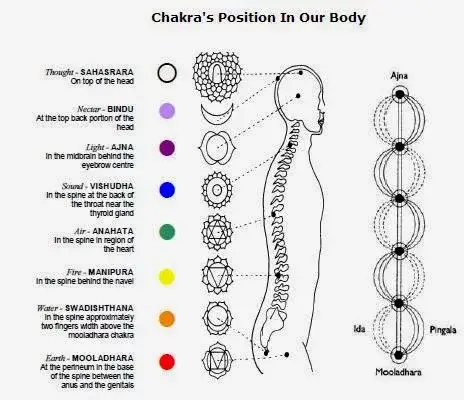
Our human body is a super powerful miracle in the world.each day we have more knowledge about the powerful computer human. Still science is searching for the power of humans .One of the miracles is that our human body has physical, energetic,pranic layers. In the energetical body we have more and more energy channels that are nadis. More than 72000 nadis have. The junctions of these nadis or the cluster of these channels are the energy points that are chakras. Or wheel. In  terms of Indian healing traditions, chakras are energy centers inside the body. Chakra has its etymology from Sanskrit meaning “wheel” or “circle.” Each one connects to parts of our well-being – physical, emotional, and spiritual.

As long as energy flows through these energy centers smoothly, we are usually feeling calm and healthy, and we seem to be in touch with ourselves. But when something goes awry with a chakra, it tends to turn into emotional tension, physical discomfort, or just feeling out of it in general.

pranayama
7-chakras

The chakra invites you beyond the skeleton to the subtle body, the energetic shell around and affecting the physical body. Yoga, Pranayama, and meditation do much to rechannelize energies back in the proper direction so that our lives feel centered on a daily basis.

Overview of the 7 chakras

The seven chakras span from the coccyx to the crown of the head along your spine. They are interrelated through nadis-the pathways of energy. Nadi brings prana to your body and your life energy. Apart from what it means in relation to body and mind, every chakra has a particular color assigned to it, as well as a lotus flower. The spectrum is like a rainbow and the lotus flower is the symbol of enlightenment, creativity, and purity.

Chakra Name Location Color Petals Mantra Key Associations
Mooladhara (Root Chakra) Tailbone Red 4 LAM Grounding, Stability, Security, Survival, Physical Health, Material Wealth
Swadhisthana (Sacral Chakra) Below Belly Button Orange 6 VAM Sexuality, Creativity, Pleasure, Emotions, Fluidity
Manipura (Solar Plexus Chakra) Upper Abdomen Yellow 10 RAM Self-Esteem, Confidence, Willpower, Personal Power, Digestion, Metabolism
Anahata (Heart Chakra) Center of Chest Green 12 YAM Love (Self & Others), Compassion, Empathy, Forgiveness, Peace, Connection
Vishuddhi (Throat Chakra) Thyroid Area Blue 16 HAM Communication, Self-Expression, Truthfulness, Clarity, Listening, Creativity (Speech)
Ajna (Third Eye Chakra) Between Eyebrows Indigo 2 OM Intuition, Psychic Abilities, Imagination, Visualization, Clarity, Inner Wisdom
Sahasrara (Crown Chakra) Crown of the Head Violet 1000 AUM Spiritual Connection, Enlightenment, Universal Consciousness, Awareness, Wisdom

Conclusion

The chakra system views the human body in a holistic manner going from physical dimensions right through to mental and emotional manifestations. Chakra is the practical and effective application of this model intending to use different practices to help improve health, heighten self-awareness and direct one’s focus toward spiritual-self understanding.

Thus it helps bring awareness into a more subtle dimension of consciousness and fosters self-realization by addressing imbalances on all levels: body, mind and soul. And even if you are skeptical about the notion of energy centers, regular practice-any kind of-judiciously cumulates in enriching one’s healthy and inner balance.

Digital Detox: Reclaiming Mental Clarity in a Connected World

Introduction

Did you know an average person spends over 7 hours per day on screens? This excess screen time has indeed decreased the ability of man to be more creative and even reduced the communication in families. Our current challenge in this hyper-connected world can be alleviated by limiting cell phone use. This reduction in constant online engagement allows individuals to spend more time for themselves, helping to preserve mental clarity and prevent irrational thoughts that often result from excessive exposure to social media and other digital communication platforms. 

A digital detox can help reclaim focus and mental clarity. Digital Detox means withdrawing from digital devices for the sake of gaining back one’s balance, clearer brain function, and overall well-being. These mindful breaks can leave a person feeling de-stressed, obtain a peaceful sleeping, and a much clearer head – much like how relaxation practices such as Ayurveda Massage Hanover contribute to balance and inner calm.  

With this blog, let us analyze the therapeutic potential of digital detoxing, finding strategies to maximize it, and recovering mental clarity to change the course of everyday life.

What is a Digital Detox? Understanding
the Concept

A digital detox is the intentional refraining from the use of various electronics such as; smartphones, laptops, tablets, or social media. This process helps clear the mind, reduce one’s dependence on digital distractions, and promotes a better relationship with oneself and the environment. Given that digital overload is such a serious issue, taking regular breaks from technology can help improve mental and emotional states. 

Digital Detox Nature heal

What are the benefits of Digital Detoxification? 

Detoxification from digital overload has multiple advantages with respect to mental alertness, emotional stability, and physical wellness. Let us look into a few: 

  • Reduced Stress and Anxiety: Decreasing screen time tends to help avoid information overload and keep the mind calm. This will stop a man from being involved too much with the issues outside that will affect the mental wellbeing. 
  • Improved Clarity and Focus: Stepping Outside for a while allows better concentration and perception. When there is a reduction in the overloaded information, the mind gets enough time to reset and restart. 
  • Better Sleep Quality: Lesser exposure to blue light before sleep better maintains a natural circadian rhythm. This will help relax the body and mind, and introduce a positive energy around that aids in better sleep quality. 
  • Strengthening Relationships: With the digital detox, there is more time for physical interactions be it with family or friends. This can greatly increase the bond within the relationships and create more energy and peace from within. It will also create enough time for taking care of one’s own body, indulging in self-care routines and improve the physical wellbeing. 
  • Mindful Living: Being present without being plugged in allows for the growth of self-reflective thought. 
  • Improved Physical Health: Digital De-addiction promotes unhealthy postures that can stress the neck, back, eyes, hands and fingers, creating ailments over time. Cutting down screen time helps restore one’s health gradually. Stress also causes digestive disorders. 

Practical Strategies for a Successful Digital Detox 

It includes the following for starters: 

1. Set Clear Boundaries: 

    • Designate specific hours of the day to go screen-free, such as during meal times or during the night before sleep. 
    • Put your phone on “Do Not Disturb” mode or silence your notifications. Keep away the phone at least three hours before sleep. 

2. Engage in Offline Activities: 

    • Instead of spending time in front of the screen, reading a journal, or engaging in outdoor activities, physical exercises, painting or other favorite hobbies. 
    • Spend quality time with family and friends without the stress of Digital Devices. 

3. Establish tech-free spaces: 

    • Leaving electronic devices outside the room will improve the quality of sleep.  
    • Keep certain areas of your home or office free from technology. 

4. Mindfulness and Meditation: 

    • Use deep breathing or meditation techniques for mental clarity. 
    • Try Yoga or take a nature walk to help you unwind and relax 

5. Use Digital Detox Apps: 

    • Use apps to track and limit screen time if it’s not possible to incorporate on your own 
    • Set limits on the amount of time you spend on social media and entertainment apps and stick to it. 

Conclusion 

Detoxing from digital screens is one of the effective means to clear one’s head, lower stress levels and improve overall health. Engaging in offline activities and practicing mindfulness, much like a panchakarma cure, can lead to personal growth by fostering deeper connections with others and our surrounding.

Challenge yourself-Try 24 hours of digital detox and see how you feel.  Be ready to start today !!

FAQs
How long should a digital detox last?

A digital detox can range from a few hours to several days, depending on individual goals and lifestyle. Even short breaks can have significant benefits. Start with a day and slowly increase the number. See for yourself on how much you can stay away from the screen interactions.

Yes, reducing digital interactions helps improve focus, efficiency, and time management skills. It brings a clarity of thoughts and reduce distractions.

Disconnecting from screens reduces stress, improves emotional balance, and enhances overall well-being by increasing more physical interactions, family bonding and self care time.

Not necessarily. The goal is to use technology mindfully, minimizing unnecessary screen time rather than completely eliminating it.

Understanding Floor Time with Relaxation Techniques Benefits

Introduction

With rapid daily activities, it is increasingly important to unwind for the sake of overall well-being. Floortime is a mindful relaxation technique that connects the mind and body of an individual, therefore helping reduce stress and giving deep relaxation. When Floortime techniques are combined with other relaxation techniques, the effect on the individual is strengthened, thereby aiding greater physical and mental health. In this blog, we shall discuss the importance of Floortime, its benefits, and applications that can be infused into everyday life. 

What is Floor Time? Understanding the
Concept

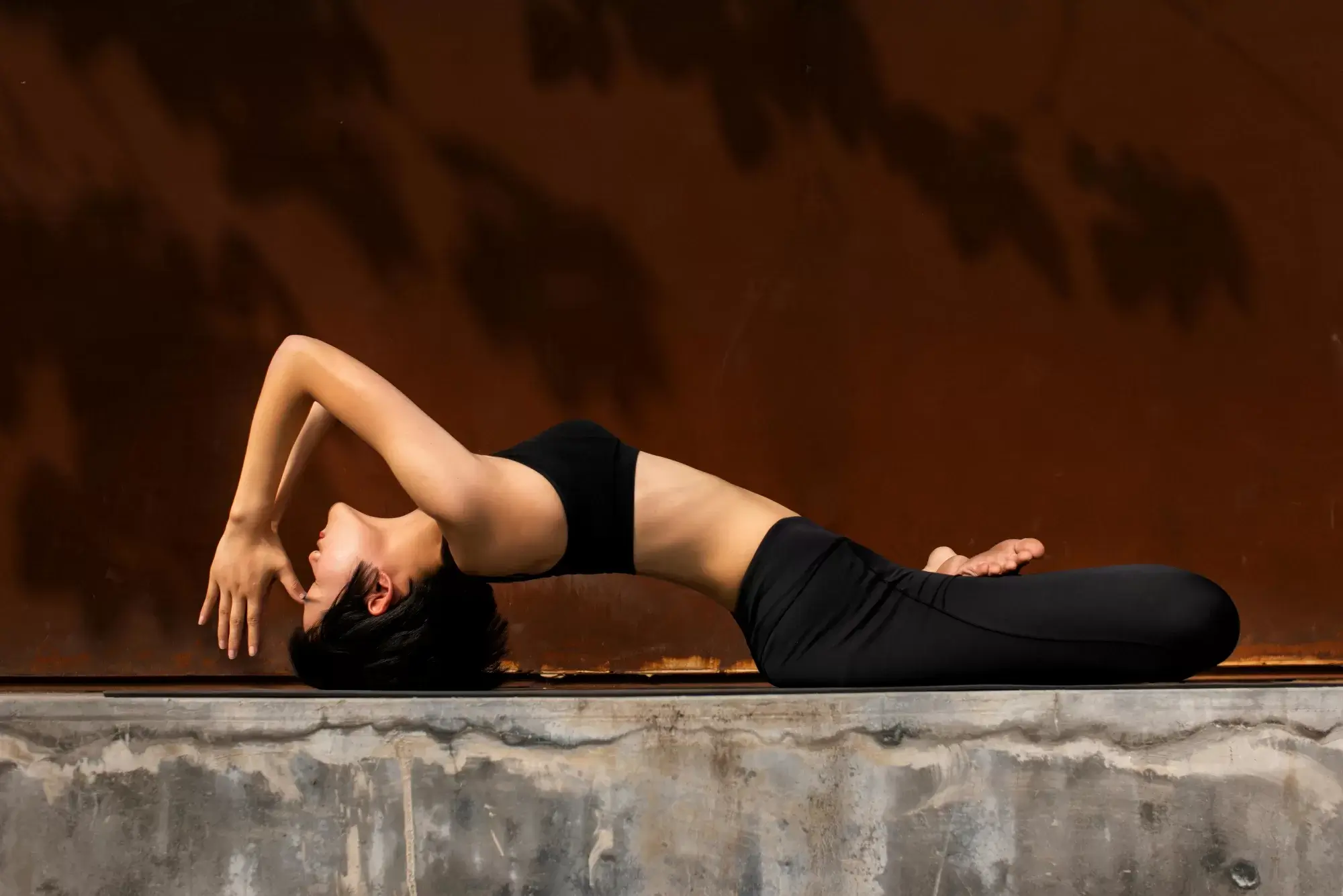
Floortime is a kind of relaxation technique. By lying down in a comfortable position on a flat surface, the individual could fully relax the entire body. It’s also useful for the release of muscle tension, improving posture, and overall body awareness. Floortime is completely from the principles of mindfulness and body alignment. Floortime is widely used in Physical therapy, Yoga, and stress-associated programs. When combined with relaxation techniques, floortime shall be the most potent tool for resetting the nervous system to be able to cultivate inner peace.

Benefits of Floor Time and Relaxation Techniques 

The floor as a place for relaxation encompasses various physical and mental health benefits: 

Floortime relaxation techniques
  • Eases Muscle Tension: Laying down generally eases some tension that might have been built up in the back due to poor posture, shoulders, and legs. 
  • Improves Posture and Spinal Alignment: This technique also allows for the promotion of proper spinal alignment for a reduced risk of chronic pain. 
  • Facilitates Deep Breathing: When lying down, deep breathing may be practiced, allowing greater oxygen flow and more efficiency in the lungs. 
  • Activates Mental Clarity and Emotional Stability: Relaxation methods include guided imagery and progressive muscle relaxation, which reduce feelings of anxiety that, in turn, promote mental focus. 
  • Improves Sleep: Floortime just before sleeping can enhance the sleep (Nidra) process by reducing activation of the nervous system and reducing cortisol levels. 

Practical Relaxation Techniques for Effective Floor Time 

Utilize these simple relaxation techniques for maximizing the floortime:  

1. Deep Breathing Exercises: 

    • Diaphragmatic breathing works by taking a deep breath through the nose, holding it in for a few seconds, and breathing it out through the mouth. 
    • Reduce stress and calm your mind with this exercise. 

2. Progressive Muscle Relaxation (PMR): 

    • Tightening up each muscle group from the toes to the head. This technique consists of gradually tensing and relaxing different muscle groups. 
    • PMR relieves tension and leads one to deep relaxation. 

3. Guided Meditation and Visualization: 

    • To calm the mind, it may be beneficial to listen to a guided meditation with pictorial imagery such as tranquil beaches or peaceful forests. 
    • Visualization can increase relaxation and instill tranquility. 

4. Body Scanning Technique: 

    • Bring awareness to different parts of the body, noticing areas of tension and consciously relaxing them. 
    • This improves mindfulness and bodily awareness. 

5. Gentle Stretching and Yoga Poses: 

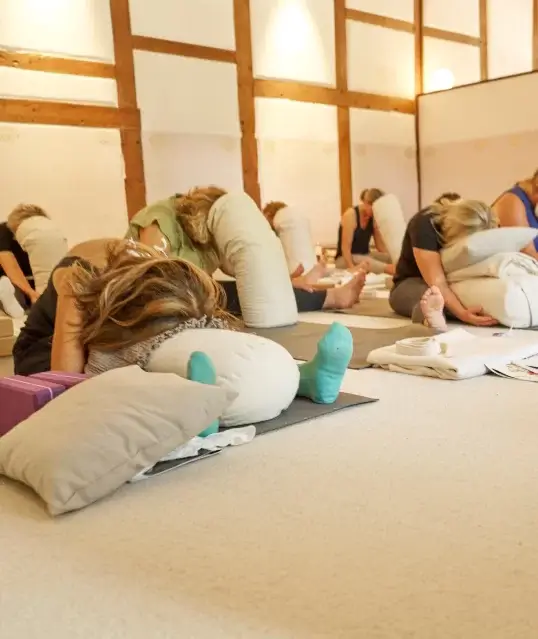
    • Add some easy stretches or Restorative Yoga postures, such as Child’s Pose or Corpse pose, that relax the body and enhance flexibility. 

Conclusion 

Some techniques of relaxation and spending time on the floor have been one of the greatest and easiest ways to reach physical relaxation and psychological clarity. Deep breathing, progressive muscle relaxation, and mindful awareness offer tremendous daily benefits with such simple activities. 

Ready to relax? Try a floor time today and see the changes it brings to your body, mind and soul

FAQs
How long should I practice floortime?

Ideally, 10 to 20 minutes per session is sufficient to experience relaxation benefits. However, you can adjust based on your personal needs and schedule.

Yes, floortime helps in spinal alignment and releases tension in the back muscles, making it beneficial for back pain relief.

Relaxation techniques such as deep breathing and guided meditation activate the parasympathetic nervous system, reducing stress and promoting emotional balance.

Yes, practices like progressive muscle relaxation and visualization help to calm the mind, lower stress hormones, and alleviate symptoms of anxiety.

Spending time out on the floor is an effective way to restore, reconnect and reset. Whether you spend 60 seconds on the ground at the end of a workout, or hours relaxing on the ground, it’s valuable time to reset your mind, process emotions, and focus on yourself. 

PANCHAKARMA CURE: REGENERATION THROUGH INTENSIVE CLEANSING

Introduction

In our body, we collect toxins, thanks to stress, diet and pollution. The accumulation of toxic substances inside the body gradually leads to chronic health issues like fatigue, digestive problems, and much more. The ancient yet glorious Ayurvedic cleansing or detoxification process known as Panchakarma is done according to the imbalance of the body. This method of treatment has various ways to help throw out toxins from the body and put our body, mind, and spirit back in balance. It rejuvenates the body with every kind of wide-ranging cleansing therapy to purify a person’s mind and spirit – an ideal experience for anyone wishing to rediscover themselves and find inner balance during their Ayurveda holiday in Germany.

What is Panchakarma?

Panchakarma-a five-fold Ayurvedic detoxification process, Pancha means five & Karma means procedures, which includes removal of toxins through body’s natural openings. It aims to remove deeply embedded toxins and regain peak health. It is a holistic approach that touches the physical, mental and emotional aspects, ensuring prolonged well-being. Panchakarma cure comprises of five therapeutic procedures:

  1. Vamana (Therapeutic Emesis)

    Induced vomiting to remove toxins through upper channel that is mouth.

Ayur Panchakarma Kur massage
  1. Virechana (Purgation Therapy)

    Removal of toxins through anal route by purgation.

  2. Basti (Enema Therapy)

    Herbal oil or decoction enemas for detoxifying the colon and improving digestion.

  3. Nasya (Errhines)

    Herbal oils administered through the nostril to cleanse the sinus and focus the mind.

  4. Raktamokshana (Bloodletting Therapy)

    Removal of impure blood to treat skin and circulatory disorders.

All the five Ayurvedic treatments are customized according to the individual’s dosha constitution (Vata, Pitta, Kapha) and specific health complaints.

Benefits of Panchakarma 

  1. Deep Detoxification
  2. The Panchakarma cure enables the complete elimination of toxins (ama) from the system, thus preventing diseases and allowing cellular regeneration.

  3. Greatly Benefits Digestive Health
  4. Panchakarma refines metabolism and blood nutrient absorption via cleansing of the digestive tract and a balanced condition of gut flora.

  5. Enhances Mental Clarity, Emotional Balance
  6. Detoxification helps to reduce stress, anxiety, and mental fatigue, poor sleep and thereafter achieves concentration and emotional stability.

  7. Strengthens Immunity
  8. By elucidation of harmful toxins, Panchakarma nourishes immunity and also boosts the natural healing power of the body. 

  9. Healthy Skin and Anti-Aging
  10. Detox removes chemicals that cause skin discoloration & inflammation and encourages cell repair, thus delaying signs of premature aging.

  11. Regulating Hormonal Health
  12. Hormonal disturbances including premenstrual syndrome, thyroid disorders, or other endocrine problems are regulated through suitable panchakarma.

    How to Prepare for Panchakarma Therapy

    Before undergoing the Panchakarma process, the preparatory measures have to be fulfilled to attain the maximum benefit from the process. An Ayurvedic practitioner’s advice is very important to decide upon a suitable treatment for your body type and health condition. Following preparatory measures include:

    • Snehana

      Known as Oleation therapy involves application of oil both externally & internally (ghee intake), both helps to bring the toxins into stomach.

    • Swedana

      Known as Sudation therapy involves inducing sweating of body which helps to liquefies the toxins in the body.

    • Preparatory Diet

      The intake of light, warm & easily digestible foods, are administered during the course.

    • No Stimulants

      Caffeine, alcohol, and processed foods must be reduced to the least possible intake.

    • Self-Care

      Instead indulge in light yoga, meditation for the body and mind.

    The Panchakarma Process: What to Expect

    The entire process of Panchakarma goes up between 7 and 21 days, depending upon the individual’s condition and recommended treatment plan. It has three stages:

    1. Purva Karma (Preparation Phase):

      Pre-treatment with herbal oils, ghee intake, and steam therapies to loosen toxins.

    2. Pradhana Karma (Main Detox Phase):

      Under experts, any of the five core therapies (Vamana, Virechana, Basti, Nasya, Raktamokshana) are performed.

    3. Paschat Karma (Post-Treatment Phase):

      Rejuvenating systematic dietary regimens, herbal tonics, and lifestyle modifications to sustain the benefits.

    Conclusion

    Panchakarma is not just a detoxification process; rather, it combines itself with a whole rejuvenation that purifies the body, calms the mind, and rejuvenates the spirit. It is one of the ancient Ayurvedic practices incorporated into the lifestyle that will yield such a strong healing. The panchakarma experience is the best long-term wellness effect in one’s life. So for natural revitalization of health, one should consider undertaking the Panchakarma journey. Get in touch with our experienced Ayurvedic practitioner and initiate your first session of Panchakarma—a step towards a healthy, vibrant life, Ayurveda cure in Germany awaits you. Here begins your rejuvenation!

Frequently Asked Questions

Can everyone do Panchakarma?

Panchakarma is done according to the imbalance of the body, it is mainly contraindicated in pregnant, weak, old aged, people who is always unfaithful, fearful & in the last stage of disease.

A complete detoxification therapy is needed once a year according to your health & imbalance of dosha.

Person within the age group of 18-70 years can undergo panchakarma under the guidance of a doctor according to his or her health condition.

During the course of purificatory therapies one should avoid suppression of natural urges, intake of untimely & unwholesome food.

References

Charaka Samhitha Siddhisthana (Vol. 5)-Author Dr.R.K.Sharma & Vaidya Bhagwan Dash 2009 edition, Chaukambha publications Varanasi.

YOGA NIDRA: The Ultimate Secret to Deep Relaxation and Inner Healing

Introduction

In this busy world, as people chase for luxurious life, they are forgetting about their mental and physical health. Do we have enough well-being left to live the life, that we are working so hard to build? A true relaxation is the real luxury that one can experience. In this blog we are focusing on how Yoga Nidra aids in mental health, proper way of doing yoga Nidra, its benefits.

The blog consists of;

  1. Introduction to Yoga Nidra Meditation
  2. Benefits of yoga Nidra
  3. How to perform yoga Nidra

Yoga Nidra Meditation: A Path to Deep
Calm and Healing

Presently, people live in a world full of chaos, stress, and anxiety. Increasing work pressure and digital distractions create mental stress when we do not give proper care it can lead to serious illness and worsen over time. It is better to treat on time. Increasingly, people have started indulging in relaxation techniques to connect back to themselves.

Ayurveda&Yoga-Nidra

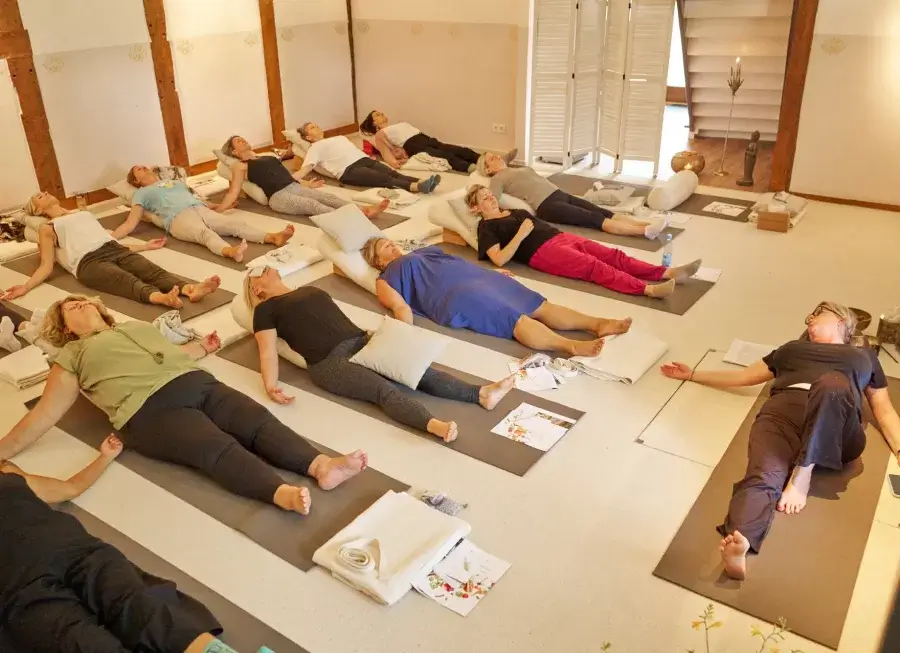
Among some of the most potent and least-known practice paradigms capable of offering profound levels of relaxation and healing is Yoga Nidra. Also known as yogic sleep, whose goal is to transform the body as well as the mind. Yoga Nidra is in essence a great meditation exercise leading an individual to a state of deep relaxation, remaining conscious.

Yoga Nidra is a relaxation technique backed scientifically to afford deep rest for the body, mind and soul. Unlike traditional meditation, where sitting and focusing on one point is a must, Yoga Nidra Meditation is practiced in a lying-down posture so that complete physical stillness can be experienced. Under guidance, you find yourself in that realm midway between wakefulness and sleep, during which the body is deep asleep while the mind remains awake. It has been bringing various changes both mentally and physically.

Benefits of Yoga Nidra

  • Deep Relaxation:

    Yoga Nidra engages the parasympathetic nervous system, steers the body away from stress toward rest, settles the nervous system, quiets the mind, and ultimately leads to a holistic well-being, and this is one very efficient tool for stress management.

  • Improvement in Sleep Quality:

    It slows down one’s mental activity, relieves physical tension and thus is responsible for insomnia reduction over the years, improvement on the sleep quality, and promotion of deep restful sleep (Nidra) with a healthy sleep cycle.

  • Emotional Veiling:

    One has a safe space to let out all suppressed emotions, break negative thought patterns, and reduce stress, leading to inner peace and emotional resilience.

  • Improves Creativity:

    The deeper levels helped stimulate creativity in terms of problem-solving through yoga Nidra meditation. A relaxed mind can be opened to inspiration, a productive area that is good for almost all artists and writers.

  • Increased Focus and Clarity:

    It helps hone concentration and sharpen the mind when distractions are removed, therefore providing better decision-making together with increased awareness and, as a result, productivity.

Benefits of yoga nidra

How to Perform Yoga Nidra?

  1. Find a Quiet Space:

    Select a peaceful area without disbursement. A dimly lit room or a dark room is helpful for relaxation.

  2. Lie Down and Relax:

    Either lie supine on a yoga mat or soft surface. Use cushions or props as needed for maximum comfort.

  3. Follow Guided Directions:

    Maintain focus and deepen relaxation with the use of a Nidra script, taped recording, or guided yoga Nidra meditation.

  4. Set Your Intention (Sankalpa):

    Before starting, select a positive affirmation or intention. Repeat it at the beginning and end to reinforce the positive change.

  5. Surrender and Relax:

    Let go of all physical and mental tension. Observe your thoughts and sensations without fixation as you drift deeper into the relaxation.

Conclusion

Our senior Yoga Master Ms. Jiji Peter says that A simple and powerful body practice is called Yoga Nidra, where relaxation and healing for the inner self are achieved. Whether it be stress, disrupted sleep, or feeling emotionally out of balance, Yoga Nidra Meditation is likely to be life-changing in ending any kind of condition. Just try it and find the deepest relaxation ever.

Frequently Asked questions

What is the best time for doing yoga Nidra?

There is no such time. You can do it anytime whenever you feel to do so. Only avoid doing immediately after eating food.

It is a normal state of the mind. How hard we try our mind always be wandering around. Instead of worrying about that. Try to observe your thoughts let it come and go. When you feel like you are not focusing try to concentrate on your breath and be gentle to yourself do not force your mind for anything. It may take time.

It can happen when our body needs to sleep, still your body gets benefits since your unconscious mind is active. Sometimes you may here the instructions even when you feel like sleeping actually you are not. Your mind is in another state of consciousness. Try to explore this state through more practices.

You can choose the time length. There is no fixed time interval. Even if its take 15 minutes or 1 hour. Try doing it properly

References

  1. Pandi-Perumal, S. R., Spence, D. W., Srivastava, N., Kanchibhotla, D., Kumar, K., Sharma, G. S., Gupta, R., & Batmanabane, G. (2022). The Origin and Clinical Relevance of Yoga Nidra. Sleep and vigilance6(1), 61–84. https://doi.org/10.1007/s41782-022-00202-7

  2. Saraswati SS. Yoga Nidra. yoga publication trust, munger, Bihar; 1998, 6th ed., Munger, Bihar, India: Yoga Publications Trust, Ganga Darshan, ISBN: 978–81–85787–12–1. p. 265.

  3. Singh J. Vijñānabhairava or divine consciousness. A treasury of 112 types of yoga. 1979. C Motilal Banarsidass Indological Publishers & Booksellers: New Delhi, India. p. 207. ISBN: 81–208–0817–7.

Healing with Ayurveda: A Guide to Seasonal Routines in Germany

With Ayurveda, the ancient system of Indian medicine, you are powerfully aided in aligning your lifestyle with natural rhythms and the seasons. Since in Germany the weather changes quite a lot during the year, integrating Ayurvedic practices into your lifestyle will help maintain a healthy body and mind in all seasons.

Why Ayurveda is Important for Seasonal Routines in Germany

Amid the unusual climatic changes in Germany, it becomes essential to fine-tune the diet, lifestyles, and wellness practices to support the body through each phase of the year. Ayurveda supports the explanation in which man’s body naturally takes the key aspects of nature into its own fold, and by determining and living according to the qualities of the changing seasons, you can maintain a sense of balance within oneself. 

Winter Ayurveda Tips for Staying Healthy

Winter in Germany can be a tough time—the cold, damp weather can make you feel low in energy and your immune system weak. In order to keep the balance of strength in the body, Ayurveda recommends the implementation of warming and grounding therapies, which would nourish the body inside out. Here are some Ayurvedic tips for winter:
Ayuveda cure seasonal routines

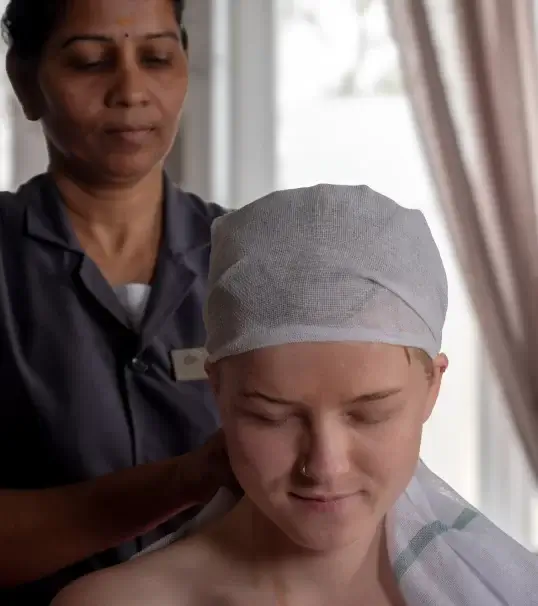
Abhyanga (Massage Therapy): Warm sesame oil may be used for massage, where nourishing the skin and calming the nervous system is an integral part of the treatment. It can be done as a simple self-massage that does wonders for a person’s well-being, especially in dry winter air, by reducing dryness of skin, warming the body, and improving flexibility of the joints.

Nasya (Nasal Therapy): Instillation of medicated oil to the nostrils helps in cleaning out the respiratory passages and sinuses, especially while the winter air is dry and biting. It can be done after washing the face with lukewarm water, putting 2 drops in each nostril, and inhaling deeply. A slight irritation may be felt in the throat, and production of phlegm will be seen, which can be spit out and the mouth can be washed with warm water.

Eat Warming Foods: Focus on seasonal foods such as soups, stews, root vegetables, and warming spices (include ginger, turmeric, and cinnamon)—these will assist digestion and boost immunity.

Gentle Exercise: This is not the time to subject your body to high-intensity workouts; gentle yoga or taking daily walks keeps you active without any undue stress. 

Wrapping Up

Incorporating Ayurvedic seasonal practices into your lifestyle propels you through each season, from the coldness of winter to the warmth of summer. Nestled in the serene landscape of Mecklenburg-Western Pomerania, Park Am See Ayurveda Cure offers an authentic Ayurvedic retreat tailored to harmonize with Germany’s changing seasons. With expert Ayurvedic doctors and therapists, the center provides personalized treatments, nourishing Ayurvedic cuisine, and rejuvenating therapies such as Abhyanga massage and Nasya therapy, perfectly suited for winter wellness. Amidst the tranquil surroundings of Alt Rehse Castle Park, guests can embrace Ayurvedic routines that align with nature, fostering balance and vitality throughout the year.

Ayurvedic Diet Tips for Winter Wellness in Germany

Pulling through Winter in Germany can be a bit challenging due to the extremely low temperatures associated with shorter days and immensely dry air. However, the ancient Ayurvedic philosophy recommends some dietary guidelines that can help your body cope with the seasonal ailments by consuming foods that are generally warm and moist so as to keep you warm, balanced, and healthy at this time.   

Essential Ayurvedic Foods for Winter Wellness

Soups and Stews: They are a symphony of flavours that elevates our senses and soothes our soul. They have the power to heal, nourish, and bring comfort during these extreme climatic conditions. The warming spices like ginger, garlic, and turmeric promote digestion and provide warmth to the body.

Root Vegetables: As winter yields to spring, it is the perfect time to enjoy carrots, beets, and sweet potatoes. These roots provide grounding warmth and are easy to digest during cold months.

Healthy Fats:  If you visit any Indian household, you can always notice a good reserve of ghee. Ayurveda recommends the use of ghee, coconut oil, and sesame oil for surpassing the effects of  dry air by 

Ayurvedic Diet Tips for Winter Wellness

imparting warmth and  nourishment, especially in these torrid conditions.

Herbal Teas: They keep you hydrated and strengthen your immune system and also aid in sending vitamins and minerals into all parts of the body. Ginger tea or tulsi tea shall be consumed for even greater warmth from inside out.

Spices: Do not hold yourself back from using liberal amounts of spices such as cinnamon, cardamom, black pepper, and cloves. These spices can favour digestion and can wrap you in warmth all winter long.

Winter Ayurvedic Recipes to Try

Ginger-turmeric soup: Ginger and turmeric are acclaimed for their anti-inflammatory properties. A delightful bowl of soup, rich in ginger and turmeric, and a colourful mix of vegetables added with a hint of garlic boosts our immunity. .

Sweet Potato Stew: A scrumptious, warm stew of sweet potatoes, root vegetables, and warming spices can satisfy your hunger and keep you full, yet surprisingly light throughout the day.  

Adopting healthy and nourishing food habits can certainly influence how you feel during the winter months. Adhering to mindful eating by incorporating Ayurvedic principles will ensure your health, energy levels, and protection from harsh, frigid weather in Germany. Replenish your next meals topped up with these Ayurvedic tips for a healthy and wholesome winter. Nestled in the serene landscapes of Mecklenburg-Western Pomerania, Park am See Ayurveda Cure in Germany offers an authentic Ayurvedic retreat, perfect for rejuvenation during the winter months. The tranquil surroundings of Schlosspark Alt Rehse enhance the healing process, making it an ideal escape to balance body, mind, and spirit. Complementing the Ayurvedic therapies, the retreat serves nourishing, seasonally tailored Ayurvedic meals, ensuring deep nourishment and vitality throughout the colder months.

Ayurveda-Inspired Resolutions: Transform Your Everyday Diet for a Healthier 2025

Modern life is fast paced and rapidly evolving. Thanks to the daily advancing technologies and modified health facilities, life has become easier.  But the technology boom has made life style highly sophisticated and sedentary with human being more contingent on gadgets rather than society or family. People are becoming more withdrawn to themselves that eventually lead to stress and burnouts. The occupational, financial and relationship breakdowns affect the present generation more dramatically than the older generation. Stress in turn affect the health of the individual making him more prone to infections and lifestyle disorders.

Ayurveda – the ancient wisdom explaining all aspects of life right from the birth of a human being till his death advises a lot of lifestyle modifications both for daily routine as well as diet.  Along with daily regimen which is mentioned as ‘Dinacharya‘ in classical textbooks, healthy eating habits for daily life are also widely expounded. 

The influence of three doshas namely Vatha, Pitha and Kapha – the bio energies controlling all physiological and psychological activity of the human body undergo variations with change in climate, seasons and also with the day and night cycle. To simplify, the morning hours are having a Kapha predominance in the body. Middle of the day have a dominance of Pitha and Vatha is the governing energy by the day end.

cuisine

Ayurveda emphasizes to begin the day with warm water that acts as a natural cleanser to start detoxing the body as the day begins. Warm water stimulates the muscles and organs to wake up and start moving. 

Breakfast:

It is explained to have food depending on appetite.  This is the time to have more fibre rich, energy giving food with wholegrain cereals.  Diet with energy giving food helps to kick start the day with brain and body well stimulated for the day.  Fiber rich food helps to have a good gut health promoting regular bowel movements which is mandatory for a good immune system. 

Lunch: 

Try to have the main meal at lunch time including plenty of vegetables. If you plan to have non vegetarian food, this is the ideal time. It is advised to have the heavier food items at midday as the digestive fire (Agni) is more active at the middle of the daytime.  

Dinner 

As the day comes to an end, the Vatha dosha is activated which can make people weaker and as digestion being slow, opt for a lighter meal. Prefer more simple cooked warm vegetarian meals, including soups. The earlier the dinner, the better. 

Snacking:

Including healthy food items like dry fruits, seeds, nuts and fresh fruits as snacks in fixed time intervals between main meals can also be considered, taking his health conditions into concern.

One should design his or her diet, in accordance with day to day activities. There is no specific diet which can be universally adopted as every individual are unique in his life style and health.  Here the time tested Ayurveda and its principles play a significant role in designing the diet to be adopted. An experienced Ayurveda practitioner helps to tailor the diet for a person after a thorough analysis of his health condition, daily routine and physical activities