Top 5 meditative breathing exercises for stress reduction


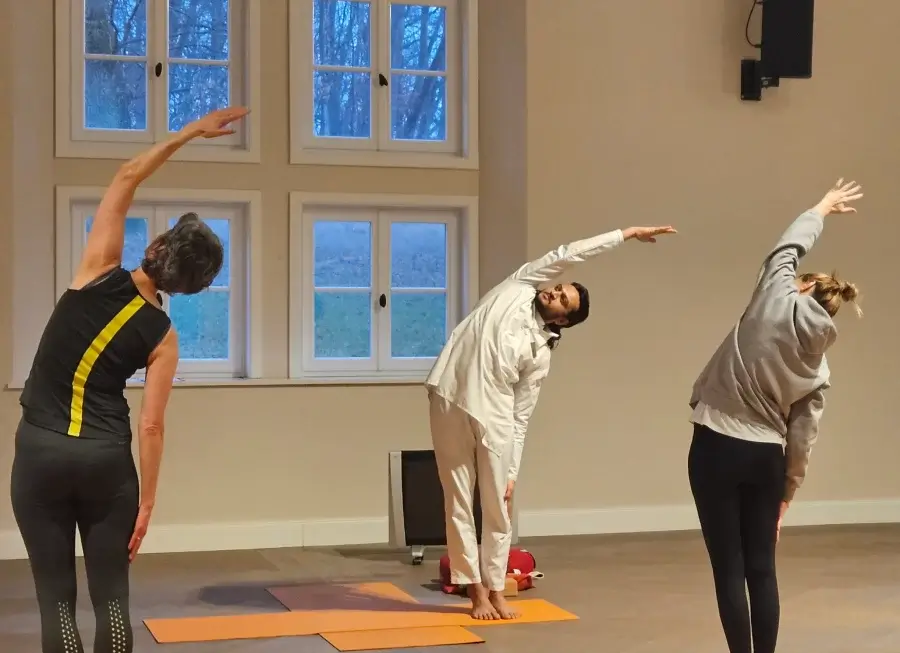
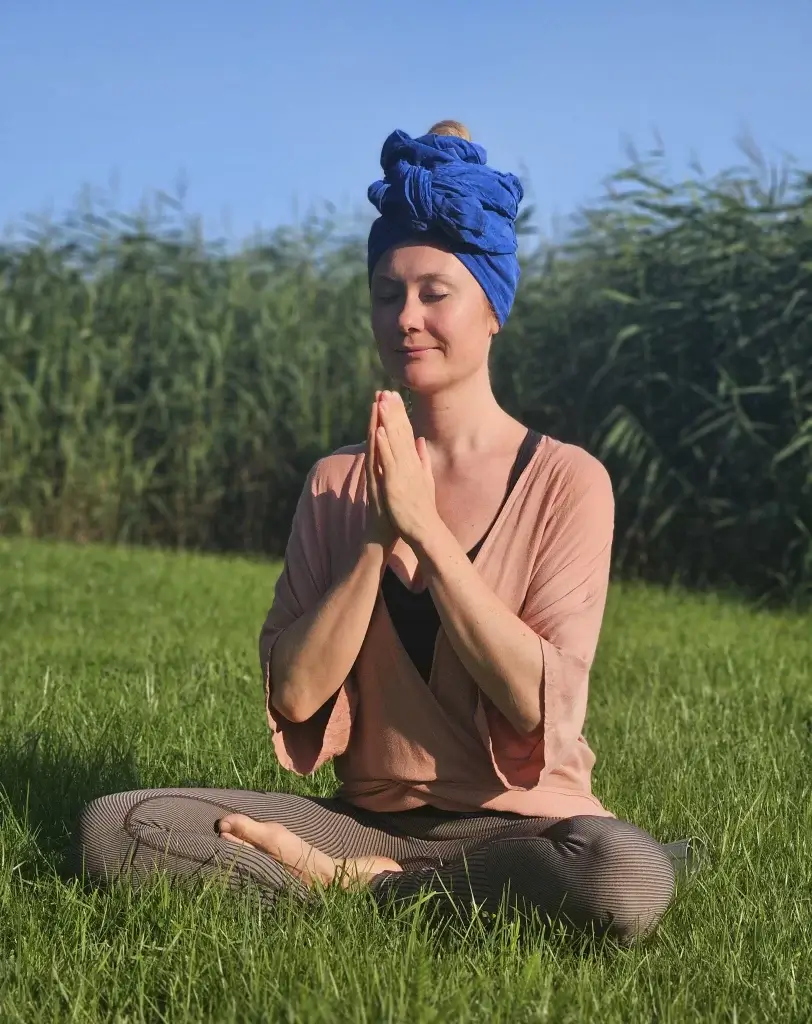
By controlling the breath we can control our mind thats the basic of the breathing techniques for the meditation.In this era of rapid movements, any moment of pause feels like a luxury. Minds race generally, bodies stay tense, and stress is the unspoken partner. Just one small tool for mere balance could be meditative breathing exercises. They do not require any special tools and can be done standing by your desk, tucked away before bed, or during a morning routine. The very act of focusing on your breathing will calm your nervous system and help dissipate stress while letting a little peace into the day.
Below are five effective meditative breathing exercises, explained step-by-step so you can easily start practicing today.
Preparation
Duration
(a). Abdominal Breathing (Lower Region)
Place one palm gently on your abdomen.
Inhale slowly through the nose, allowing the abdomen to rise and expand. Exhale gently through the nose, feeling the abdomen fall and soften.
Stay aware of the movement in the lower part of the body and its connection with the breath.
(b). Thoracic Breathing (Middle Region)
Move the palms to the chest or thoracic region.
As you inhale, feel the expansion of the ribcage outward and upward.
Exhale slowly, noticing the chest gently contract.
Stay connected with the sensations in the middle region of the body.
Clavicular Breathing (Upper Region)
Bring awareness to the upper chest, collarbones, and nostrils.
Inhale gently, feeling the subtle lifting of the collarbones and expansion in the upper lungs.
Observe the sensation of the breath at the nostrils—warmth as you exhale, coolness as you inhale.
Connect this awareness with the head and upper region.
Full Yogic Breath
Now combine all three stages into one continuous flow:
First, expand the abdomen.
Then allow the breath to rise into the chest. Finally, let it reach the clavicular region.
Exhale slowly in reverse order, releasing from the clavicular, then the chest, and finally the abdomen.
Continue this cycle, allowing the breath to flow deeply, smoothly, and without strain.
Steps:
Steps:
Steps:
Steps:
To get the most out of your meditative breathing exercises, follow these simple tips:
At Retreat Park Am See Nattika Ayurveda, breathing is not treated just as another relaxation exercise-it is a total holistic approach to restoring the balance of mind, body, and soul. Our serene lakeside ambiance lets you fully get lost in techniques that calm your nervous systems, help with concentration, and diminish stress under expert supervision. Designed by Nattika therapists, these exercises provide guests with an intense feeling of relaxation and inner peace. Opting for our retreat gives you the chance to experience these meditative techniques whilst embracing the true Ayurveda cure in Germany for the sustenance of long-term health in a natural, balanced environment.
And with that said, a few meditative breathing exercises will do for your daily schedule. These simple exercises cannot do much harm. You may want to follow the 4-7-8 breath rhythm or just remain mindfully aware that you are inhaling and exhaling. Either way, the techniques will guide you into inner peace and emotional stability. In just a couple of minutes a day, you have begun to ease away stress and cultivate a deep sense of binding well-being.
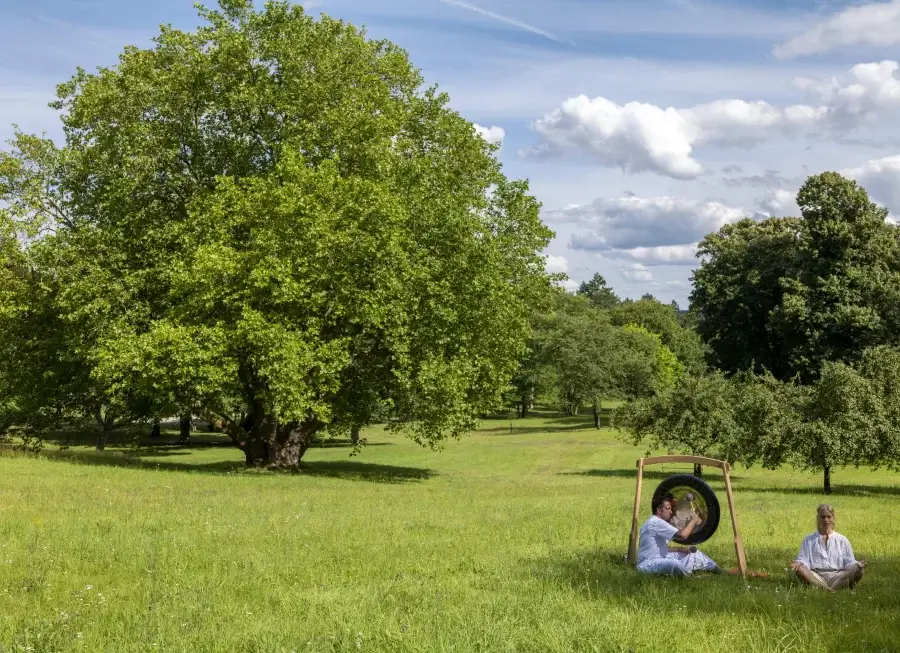
Yoga isn’t a one-size-fits-all exercise. From stress alleviation to physical strength enhancement, to flexibility improvement for mental composure, every yoga style is somehow coupled with these needs. So many types of yoga exist that one has to single one out beside their own goals, time limits, and fitness level.
Hatha Yoga is usually an entry-level class or one taken by anyone who wants a slower, more meditative style. It is a traditional way of yoga practices. It emphasizes basic postures (asanas), breathing techniques (pranayama), and relaxation-a great program for beginners in yoga or with stressors in their life.
1. Focus: Gentle poses, slow deep breaths, and relaxing.
2. Best For: The fresh people, those experiencing stress, and people who want a soothing and meditative ambiance.
3. Benefits:
4. Lifestyle Fit: Sufficient to those who want a slower-paced style capable of going gently with yoga, with rhythm.
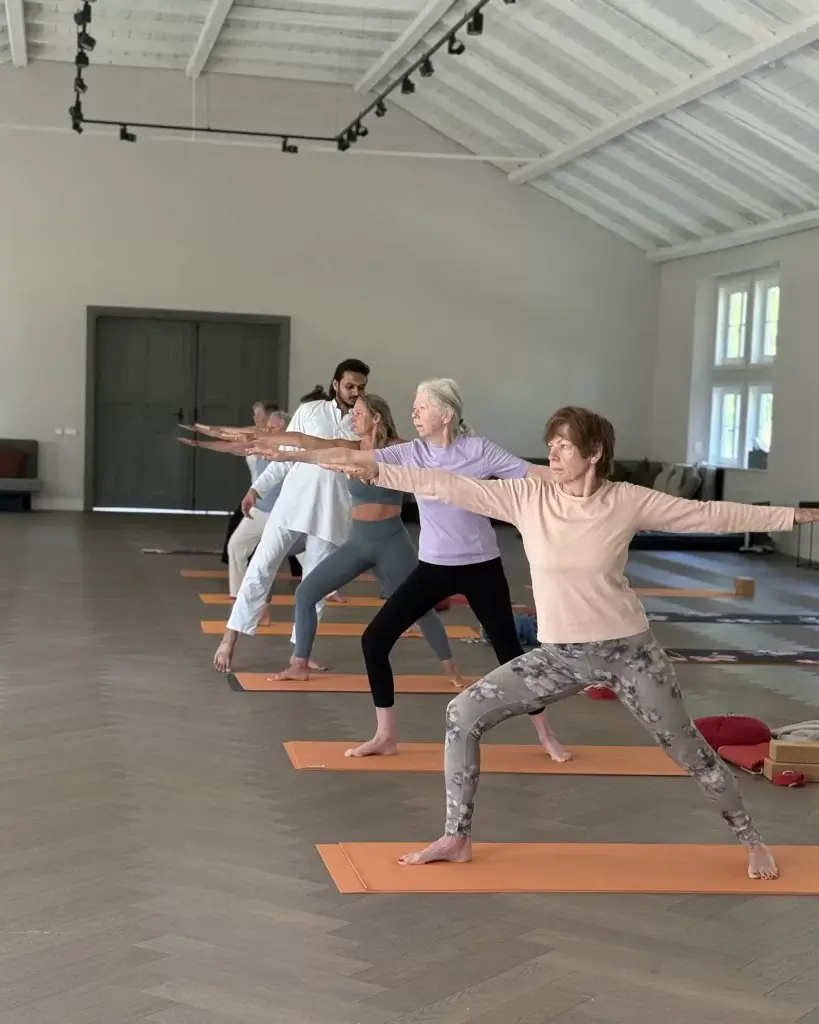
Among the most active types of yoga, Vinyasa Yoga is dynamic and fluid. There is an interaction of breath with movement through continuous sequences, offering a more vigorous and cardiovascular workout.
1. Focus: Flowing movements in sync with breath.
2. Ideal for: Those who want an energetic practice, enjoy variety, and aim to build strength and endurance.
3. Benefits:
4. Lifestyle fit: Great for those who prefer an active lifestyle and like to stay physically engaged.
Ashtanga Yoga is one of the most disciplined and physically demanding types of yoga. It involves practicing a set series of poses in a specific order to cultivate consistency, strength, and internal heat.
1. Focus: A fixed sequence of postures, breath control, and muscular engagement.
2. Ideal for: Practitioners who are very serious about their practice and want a physical and mental challenge.
3. Benefits:
4. Lifestyle Fit: Ideal for people who enjoy routine, like structure, and love to enhance their limits.
| Aspect | Hatha Yoga | Vinyasa Yoga | Ashtanga Yoga |
|---|---|---|---|
| Pace | Slow | Fast | Very fast, structured |
| Pose Duration | Longer holds | Shorter holds | Fixed sequence, dynamic transitions |
| Breathing | Separate or with poses | Synchronized with movement | Ujjayi breath strictly coordinated |
| Cardiovascular Effort | Lower | Higher | Very high |
| Focus | Alignment, breath, and mindfulness | Flow, strength, and creativity | Discipline, strength, and stamina |
| Challenge Level | Beginner-friendly | Moderate to high | Advanced, physically demanding |
| Suitability | Beginners, stress relief, relaxation | Intermediate, creative movers | Experienced yogis, strength-focused practitioners |
| Risk of Injury | No chance for injury | Moderate chances | High risk chances |
There are so many types of yoga to explore; therefore, the selection can be overwhelming. Here are some pointers for you to consider:
Yoga flourishes in its versatility. You can start the basic knowledge and alignments through hatha yoga and easily jump into the other variations. Maybe you are drawn to some calming Hatha, vigorous and flowing Vinyasa, or strict methods in Ashtanga; there will be a style for you. Stepping into the world of different types of yoga lets you deepen the practice, connect with your body, and find an approach that best fits your lifestyle and wellness journey. So unroll your mat, take a deep breath, and just explore whichever path seems right.
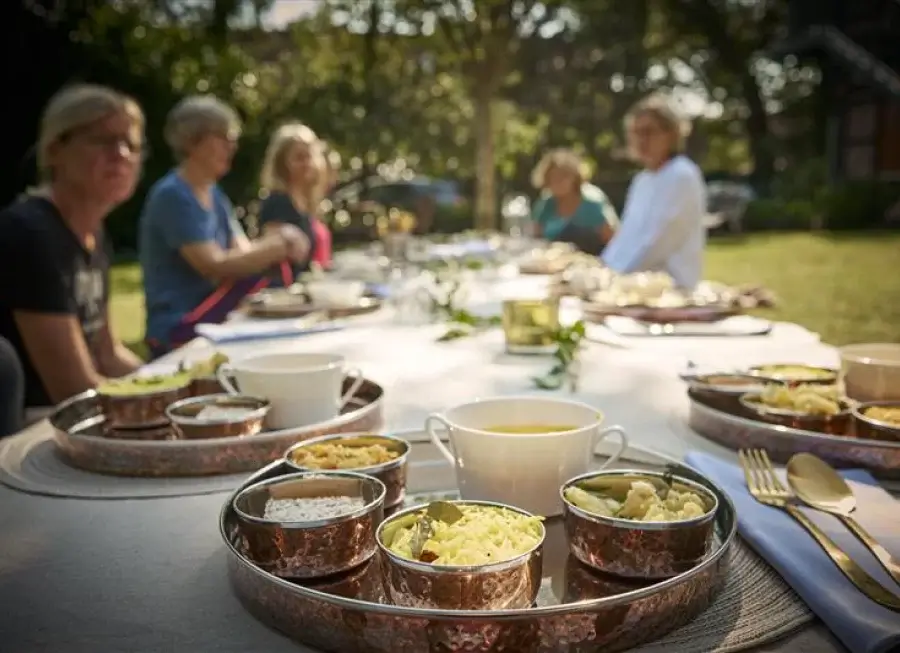
Health, vitality, and inner balance are closely linked to what happens inside our bodies. In Ayurveda, we view the intestines not only as a digestive organ, but as the true center of our well-being. A well-functioning intestine, the foundation of life, determines our immunity, mental clarity, and mood. The secret lies in a strong digestive fire, known as Agni, which serves as the engine of all metabolic processes.
The Ayurvedic concept states that a strong Agni is responsible for the complete conversion of our food into vital nutrients. It burns toxins, known in Ayurveda as Ama, which otherwise accumulate in the body and can cause numerous ailments. Weak digestion leads to weak Agni, which in turn promotes the formation of Ama and disrupts the balance of the doshas (Vata, Pitta, Kapha). The primary goal at our Ayurvedic health center is to strengthen your Agni through a diet and lifestyle tailored to your type, thereby laying the foundation for your long-term health.
Would you like to learn more about the basics of our philosophy? Then click here: Ayurveda Philosophy.
Unlike Western nutritional teachings, Ayurveda is not only concerned with the composition of food, but also with the way we consume it. Our Ayurvedic doctors and chefs have one goal: to optimize your intestinal health by taking your individual dosha balance into account. Here are some basic principles that we value at our Ayurveda health center:
1. The six flavors
According to Ayurveda, every meal should contain all six flavors: sweet, sour, salty, spicy, bitter, and astringent. This balance nourishes all tissues and ensures a feeling of complete satiety. Spicy, bitter, and astringent flavors are particularly important as they stimulate agni and support detoxification.
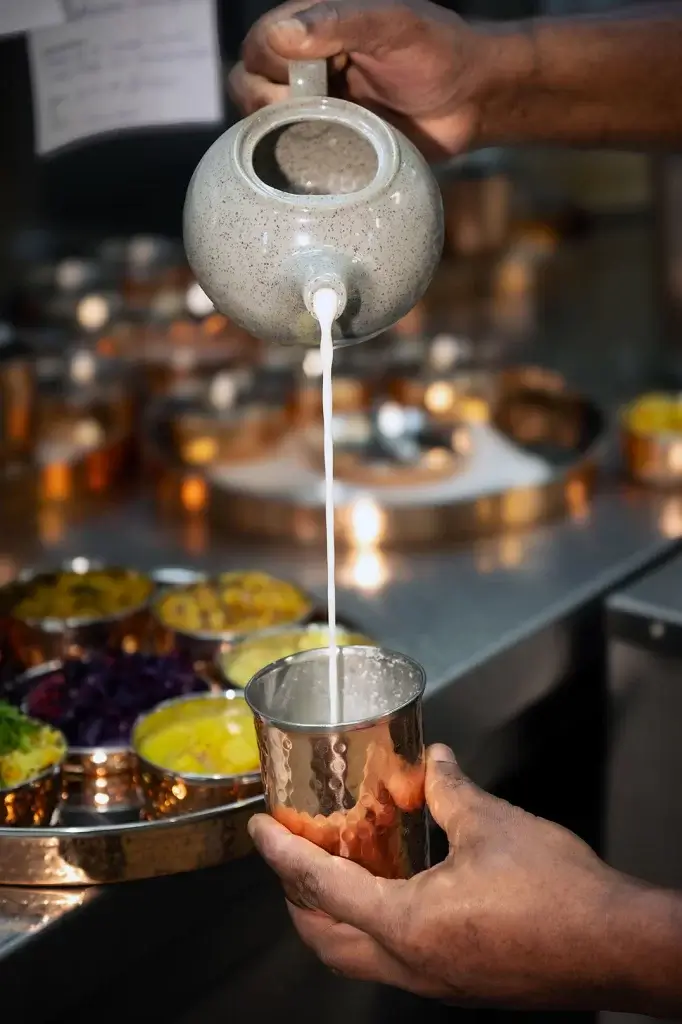
2. Food that heals the gut
We focus on a diverse, plant-based cuisine with a special focus on your individual wishes and tolerances:
Warm, cooked foods are also essential for regular bowel movements, as they are easier to digest than raw or cold foods.
3. Healing spices and herbs
Certain spices have a special significance in Ayurveda for digestion. We use ginger, cumin, coriander, and fennel to inhibit inflammation, reduce flatulence, and strengthen agni. A small amount of fresh ginger with lemon juice before meals is a traditional remedy for stimulating digestion.
In order not to weaken your digestive fire, we avoid foods that are considered to be ama-forming as part of our treatments:
Panchakarma cure at our Ayurveda treatment center is the most effective way to cleanse the intestines and restore Agni to its full strength. Our treatments include customized nutrition plans, special massages such as Abhyanga (full-body massage), and relaxation techniques that reduce stress and harmonize digestion.
In addition to nutrition, we place great emphasis on exercise and mindfulness. Yoga and gentle walks in our beautiful Retreat park Am See Nattika Ayurveda promote intestinal activity and reduce stress, one of the main factors contributing to digestive problems.
Our team of experienced doctors and therapists will accompany you on this journey and ensure that your intestinal health is strengthened in the long term.
Would you like to learn more about our therapeutic approaches and treatments? We invite you to familiarize yourself with the treatment principles we apply at our health center. And when you are ready to take the first step, you can contact us here to make a reservation.

For a while now, this powerful shift in lifestyle has been compelling the German populace: what to eat and how to eat it. Clean eating has become another well-known idea, along with nutrition and wellness, with clean food markets in Berlin and wellness retreats in the Bavarian Alps that connect to nature.
The association between physical nourishment and clear thinking has stood out more and more ever since the population in the country became health-conscious. Clean eating and mindful eating were not mere buzzwords but have become the intentional way of life, often complemented by holistic practices like the panchakarma cure.
Clean eating is an approach that aims at eating whole foods in their most natural and unprocessed state. In Germany, that often means something like local farm-fresh seasonal produce, whole grains like spelt and rye, oils in their raw form, and animal products procured sustainably. It is less about anything close to perfection and more about awareness being conscious of where your foods come from and how they sustain your body.
Clean eating in Germany often corresponds with the Slow Food movement that began in Europe and encouraged people to relax, enjoy their food, support local producers, and reduce food wastage. Whether dining at home or in an Ayurvedic restaurant, it is about making choices that nourish and sustain the environment along with the individual.

While clean eating focuses on food quality, mindful nutrition brings in the experience of eating. It’s the practice of being fully present at the table aware of each bite, each flavor, each moment. In a culture where busy schedules and digital distractions are the norm, mindful eating is a gentle reminder to slow down and reconnect with your body.
Ayurveda explains certain etiquettes to be followed by a person during meal times to aid in better digestion and to beget all the benefits of the food that is consumed.
As a summary, here are some simple tips to practice mindful eating, drawn from wellness traditions and increasingly embraced in modern Germany:
1. Allow Yourself a Mindful Moment Daily: Give yourself permission to pause. Make space in your day for an uninterrupted, mindful eating moment. Step away from the rush: no electronic gadgets and disturbing noise. .
2. Put Away Distractions: Before you begin a meal, turn off the radio, silence your phone, and shut down the computer. Removing distractions allows you to focus entirely on the sensory experience of eating.
3. Take a Few Deep Breaths Before Eating: At the beginning of the meal, breathe slowly and deeply two or three times. Such a small ceremony helps to calm the mind and prepare the sense for embarking on a journey of discovery.
4. Stay in the Present Moment: When you are eating, concentrate only on food. Avoid over-thinking.
5. Look at Your Food with Fresh Eyes: Learn to perceive your food with curiosity as if you haven’t seen it before. With mindful eating, you permit yourself to truly notice color, texture, aromas and flavors without judgement.
6. One Meal a Day Mindfully: Choose one meal per day to eat mindfully-even if that’s just the first five bites. Afterward, consider what you felt and thought during the experience. These reflections help strengthen your connection with your food and your body.
Clean eating and mindful nutrition are not about stringent rules. Instead, it is about tuning in: tuning in to what sits on the plate, what is happening in the moment, and what the body, mind and soul require.
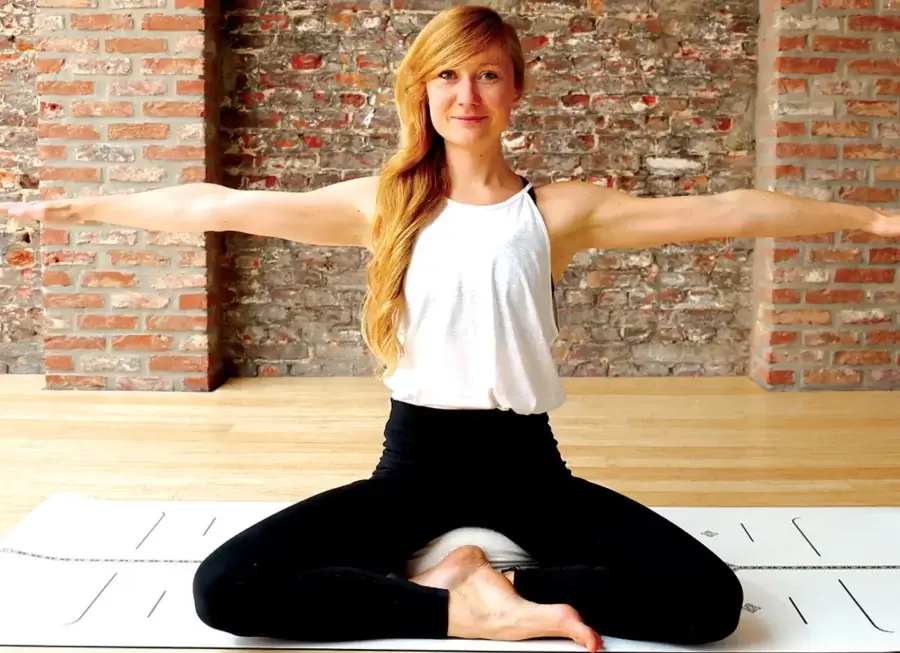
In the heart of Europe, where precision, structure, and quality of life are valued extremely highly, yoga has managed to mark a stronghold within the realm of wellness in Germany. Be it working madly in the urban city of Berlin or enjoying life in the calm surroundings of Bavarian lands, yoga happens to be that tremendous saving grace for balancing modern life.
Among the many offered styles, Yin Yoga and Vinyasa Yoga have become favorites, each offering something unique. When it comes to Yin Yoga vs Vinyasa, which one would fit best with the lifestyle usually led by average Germans? Let us go ahead and discuss.
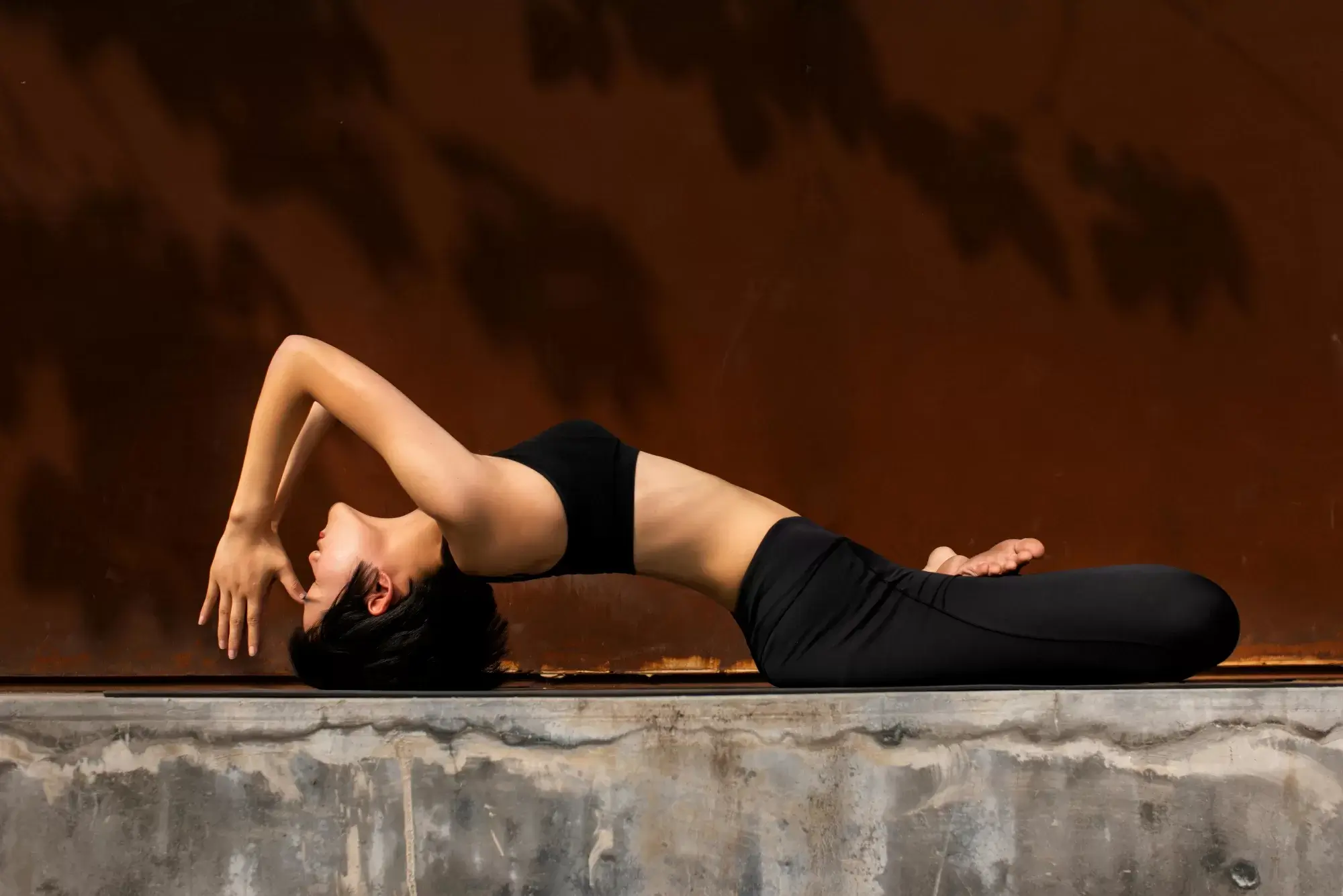
Yin Yoga is a slow, deeply meditative practice. Poses are held for 3–5 minutes or longer, allowing the body to gently open and target the connective tissues such as ligaments, fascia, and joints. It’s not about muscle effort, it’s about surrender, stillness, and deep inner awareness.
This is complementary to the increasing craving in Germany for mental wellness and work-life balance. Yin yoga becomes more and more a balm after prolonged hours of intensive work-a short period to slow down and breathe deeply.
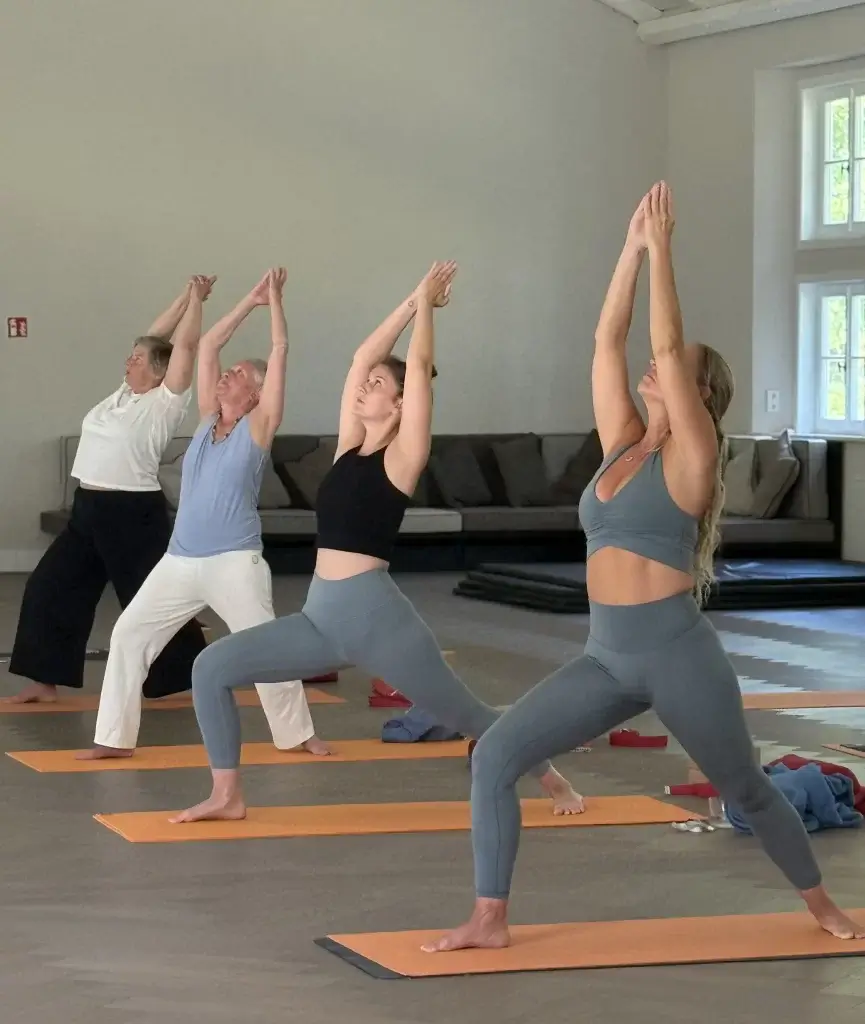
Vinyasa Yoga, on the other hand, is dynamic, flowing, and athletic. Poses are linked together in a sequence guided by breath. It’s more physically engaging and often compared to a moving meditation.
This style will especially appeal to the active German population that craves some structure, rhythm, and physical challenge. Be it a cyclist, a hiker, or an office worker, Vinyasa holds the sterling reputation as a fitness formula for mental focus.
Draw backs of yin yoga
Draw backs of vinyasa yoga
Sometimes a bit of both is really the best way to go. When it comes to Yin Yoga vs Vinyasa, some Germans incorporate a mix during their weekly routines: invigorating Vinyasa in the morning with calming Yin at night. This balance of Yang (doing) and Yin (being) speaks to the deep yearning for harmony in body, mind, and soul.
Yin Yoga vs Vinyasa is a common debate among practitioners, but whether you’re drawn to the gentle introspection of Yin or the energizing flow of Vinyasa, both styles have something valuable to offer. The key is to listen to your body and your lifestyle.
Germany’s growing focus on mental health, sustainability, and intentional living makes both practices highly relevant. Whether that means slowing down, moving with purpose, or finding space for both, choose what supports your well-being, something that Retreat Park Am See Nattika Ayurveda beautifully encourages through its holistic approach to mindful living.
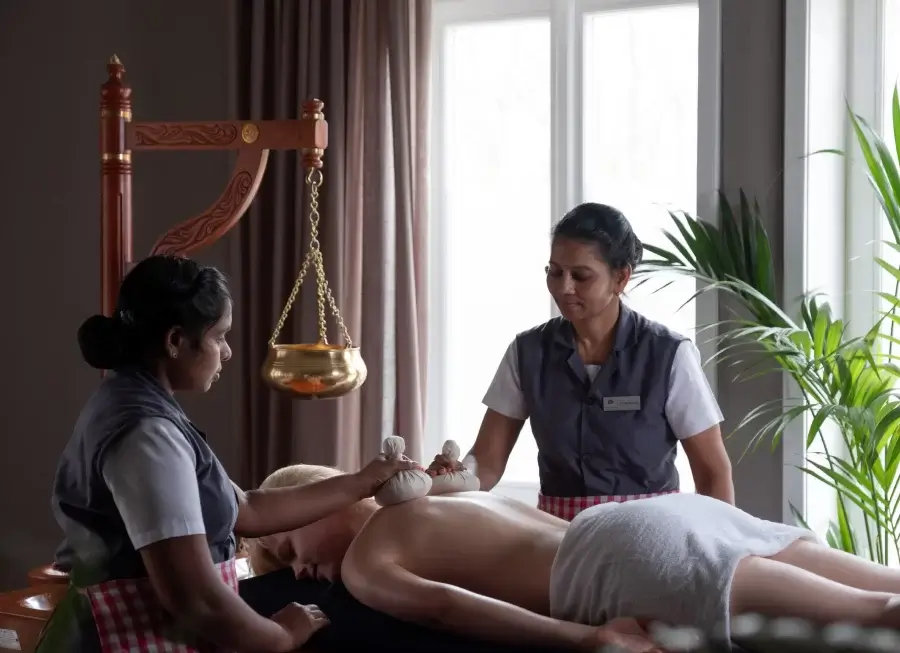
Ayurveda, the ancient science of life, emphasizes maintaining health and vitality from birth to the final stages of life. According to Ayurveda, aging can be classified into two types: chronological aging and biological aging. While chronological aging is inevitable, biological aging can be influenced and even reversed through appropriate lifestyle choices based on Ayurvedic principles.
Numerous factors contribute to biological aging, including metabolic disorders, chronic inflammation, oxidative stress, and cellular degeneration. These factors can be effectively managed through a systematic and personalized Ayurvedic approach. Ayurvedic therapies, herbal medicine, and dietary modifications help regulate the changes occurring at the cellular level, while specialized healing therapies address inflammation-related aging. Detoxification treatments and rejuvenation therapies help combat metabolic imbalances and oxidative damage, respectively.
Since the causes and symptoms of aging vary from person to person, our Rasayana or Longevity Package at Retreat Park Am See Nattika Ayurveda is carefully customized for each individual.
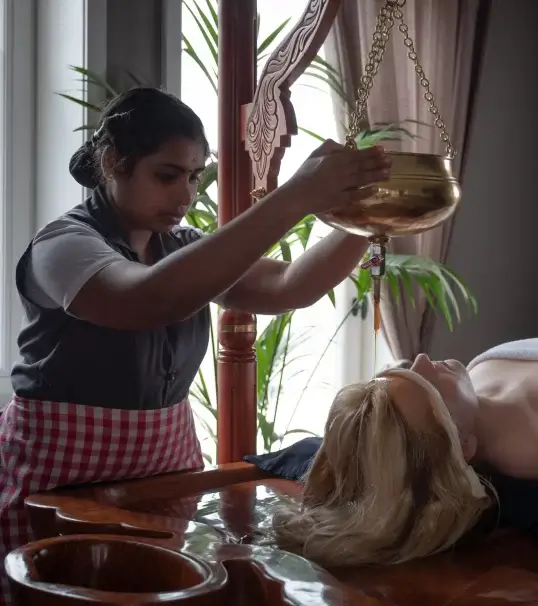
With our Package, you’ll embark on a transformative experience where ancient Ayurvedic wisdom meets individualized care. By addressing the root causes of biological aging, we help you unlock a vibrant, healthy life tailored to your unique needs. Join us at the retreat to reverse the signs of biological aging and embrace a future filled with vitality and well-being.
You can experience this transformative journey as either a 7-day retreat or a 18-day retreat, each tailored to your wellness goals:
Aging may be inevitable, but how you age is within your control. Our Rasayana Longevity Package offers a personalized Ayurvedic path to restore vitality and promote long-term wellness, checkout our other packages and offers in detail.
Join Dr. Sajin Philip, Lead Ayurveda Specialist at Retreat Park Am See Nattika Ayurveda, as he introduces this holistic program rooted in classical Ayurveda, designed to help you age gracefully, naturally, and healthily.
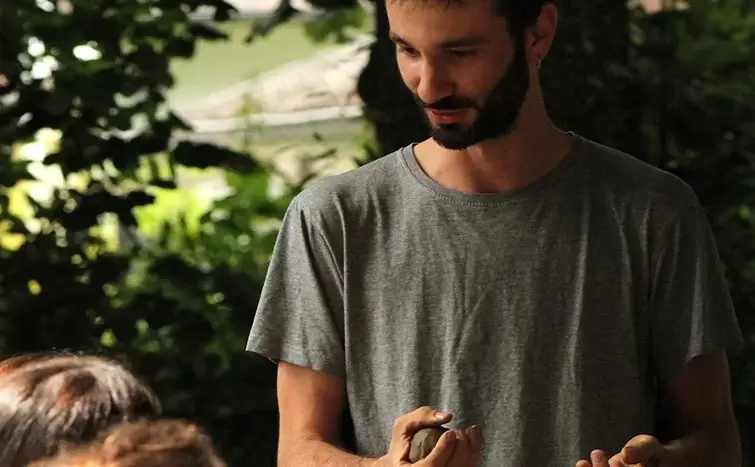
We warmly invite you to a transformative and joyful clay experience from 01 to 22 July at Retreat Park am See Nattika.
Guided by Mr. Theo Michel, discover the therapeutic power of working with clay an opportunity to reconnect with your inner child, awaken creativity, and embrace the calming rhythm of nature. Let your hands shape not just clay, but moments of mindfulness and joy.
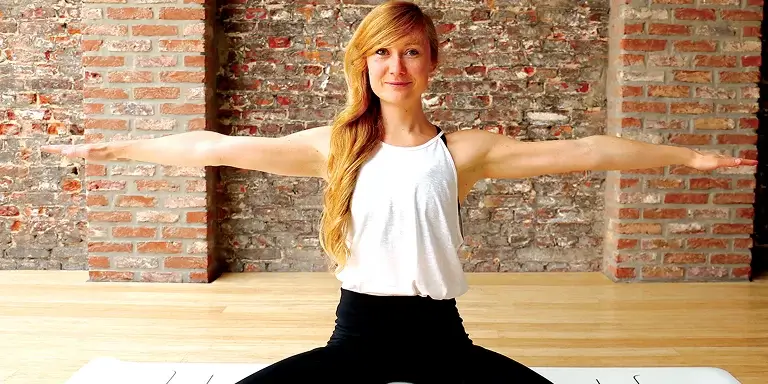
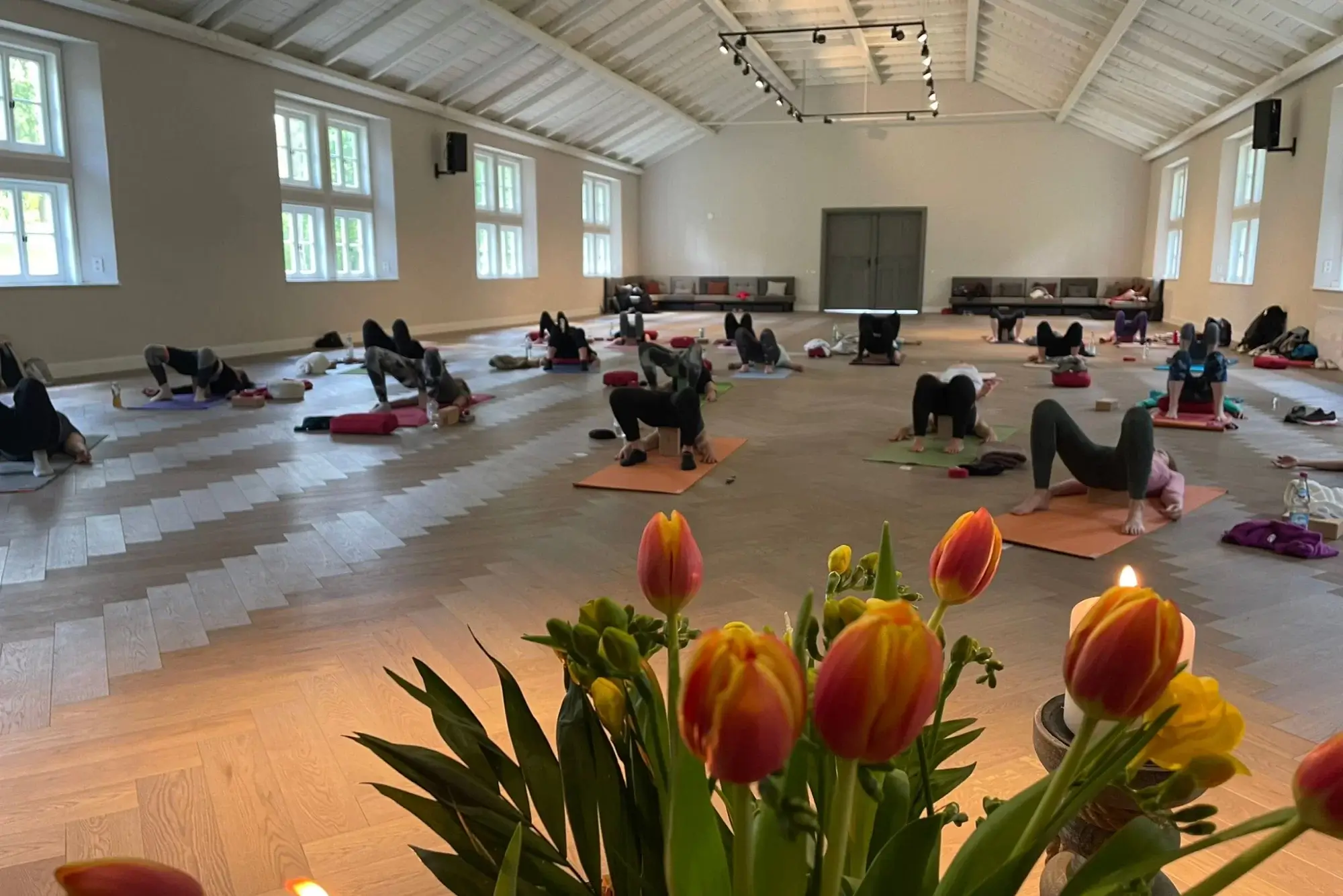
Join Laura Lanhardt from 01 to 22 July 2025 at Retreat Park am See Nattika for a rejuvenating yoga experience. Her guided sessions in Hatha and Yin Yoga are thoughtfully designed for both beginners and advanced practitioners, offering a space to relax, restore, and reconnect.
Deepen your awareness of body and breath, and let your heart shine.
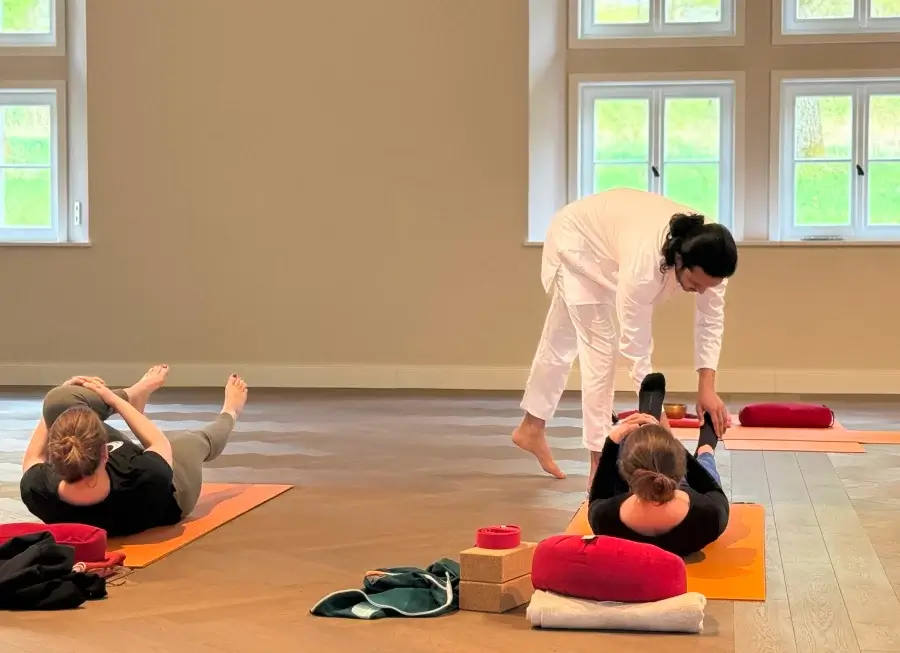
Do you feel like you need a reset physically, mentally, and emotionally? Now that we live in a fast-paced world, yoga has found favor with many individuals as a road to inner peace and holistic health through asanas and mindfulness. But where should one begin? That is where beginner yoga retreats enter, the gateway for a more mindful and balanced life.
An example of yoga retreats for beginners is not just about twisting into poses. It is a design experience that exposes you to the beginnings of yoga in a nurturing and immersive setting. Once you have beautiful yet serene surroundings, distinguished teachers, and a well-structured yet easy-going-paced program, you may very well begin your journey into yoga with confidence, clarity, and compassion.
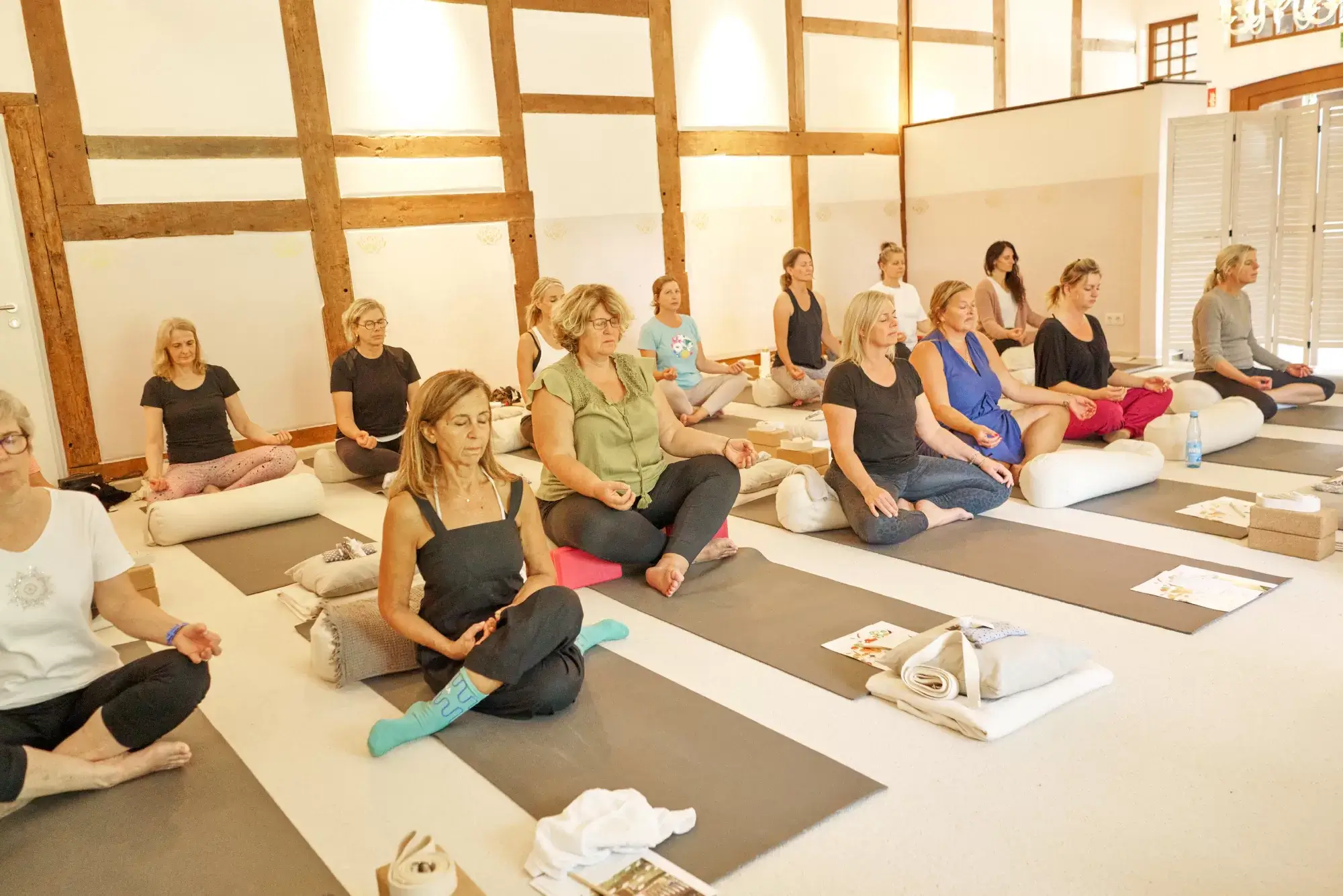
Yoga retreats are set periods when one gets away from their daily routine, usually into a calm, peaceful environment, to focus on various healing arts, yoga, and meditation. Yoga retreats for beginners offer an immersive experience that brings core benefits such as improved focus, reduced stress, and a deeper connection to self.
1. A Safe, Supportive Environment
Traditionally, many newcomers see their first class as daunting. This makes a retreat a safe, almost free space for people to develop at their own pace. For those who have never done a sun salutation or cannot finish touching their toes, it’s an amicable welcome to all.
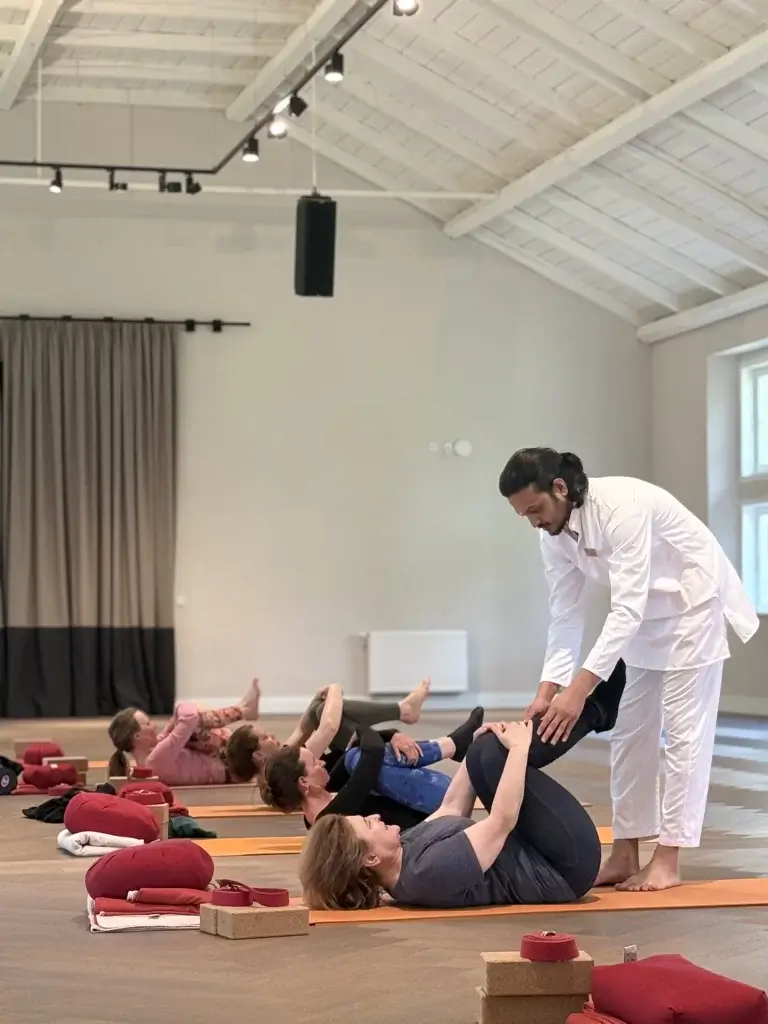
2. Personalized Instruction
Because of retreats often having smaller class sizes, experienced teachers can take their time to correct posture, create modifications, or offer one-on-one assistance that is appropriate for your level.
3. Connection with Nature
Mostly, yoga retreats are set up in calming natural settings-by the beach, amongst the woods, or by the calm lake. Nature grounds your nervous system and accentuates the healing process.
4. Holistic Learning
A beginners’ retreat does not merely consist of practical yoga but can at times also include other activities, such as asanas and mindfulness, pranayama or breathing techniques, meditation, mindful eating, journaling, and an overview of spiritual philosophy.
5. Time to Reset
Distinguished from weekly classes, a retreat allows one to temporarily escape the realities of mundane life. No phones or e-mails interfere; the social compulsions are put on hold, and you start tuning inward to reconnect with yourself.
Yoga retreats for beginners offer a harmonious blend of physical postures (asanas) and mindfulness practices. Together, they create a powerful toolkit for overall well-being.
Physical Benefits
Mental Benefits
Emotional & Spiritual Benefits
If you’re considering your first yoga retreat, here are some expert tips to make your experience truly transformative:
Before the Retreat
During the Retreat
After the Retreat
We have supporting props like soft and hard cushions, stretchable and non-stretchable straps, hard and soft blocks, bolsters, and moon pillows that help beginners practice asanas and mindfulness with ease, making it simpler to perform postures and sit comfortably during meditation and pranayama, keeping the spine erect and reducing the risk of injury.
Beginning something altogether new brings about uncertainties. Enter a yoga retreat, and you step into a place where every inhale, movement, and moment exists purely for your well-being. With yoga, you do not just learn how to practice; you learn to practice conscious living. Book your mat today with retreat Park Am See ayurveda Germany.
Yoga retreats for beginners are designed to be your second set of hands instead of your challenge. Nature will heal you while you will be under the guidance of experienced yogis and the upliftment of a like-minded community. Most important of all, you will ascertain a deeper insight into yourself.
So run with it. Let the silence of this forest or the gentle lapping of water in the lakes guide you inward. Asanas and mindfulness will lead you back to your breath and hold you in the now.
Your journey need not be perfect. It only needs to have its inception.
Yes, absolutely! Yoga is for everyone, regardless of your background. You don’t need to be athletic or flexible, just start where you are. Beginners are welcome, and yoga helps you grow gradually in strength, balance, and awareness.
No. Yoga has no age limit. From kids to seniors, anyone can practice yoga. The key is to choose the right style and level suitable for your age and physical condition.
Yes, yoga can be very beneficial for managing lifestyle diseases. It helps with blood pressure, blood sugar, stress, and more. However, it’s important to consult with your doctor and inform your yoga teacher about your condition.
Yoga supports weight loss by improving metabolism, reducing stress, and increasing awareness about food and lifestyle. Some forms like Power Yoga or Vinyasa burn more calories, but even gentle yoga helps with long-term weight balance.
Yoga is a mind-body practice that combines physical movement, breathing exercises, and relaxation. It’s not just exercise, it’s a way to feel better, move better, and live more peacefully.
Yoga helps with:
Yoga For Beginners – Jason Scotts
Hatha Yoga Pradeepika – Muktibodhanada Swami
Light On Yoga – Bks Iyenkar
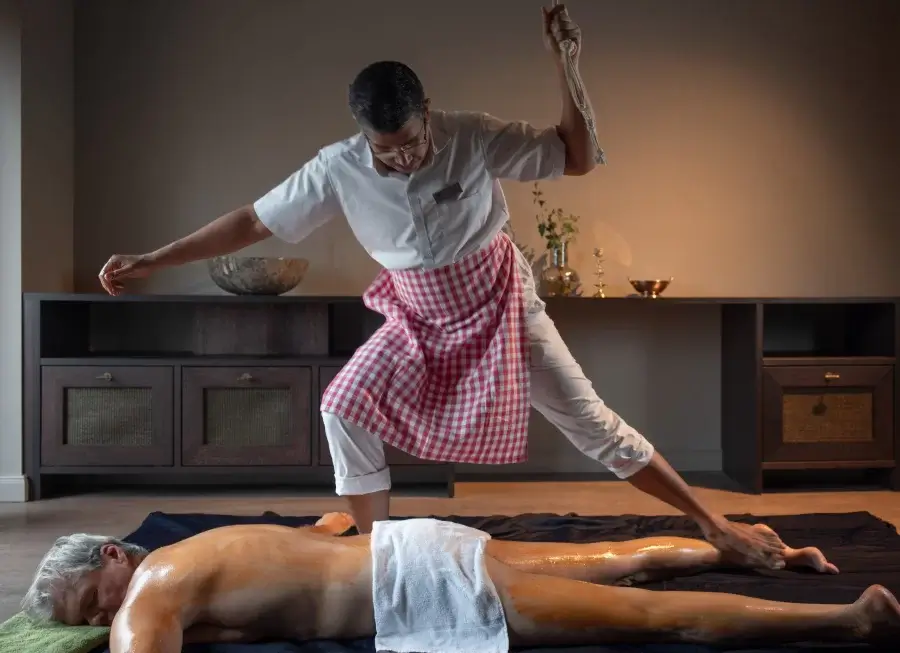
The busy life in today’s world has led to chronic stress quietly becoming a component in the life of each individual. Some people, burdened by digital engagements, are looking into holistic ways to regain their peace of mind. The Ayurvedic full-body massage, known as Abhyanga, is one among many healing therapies.
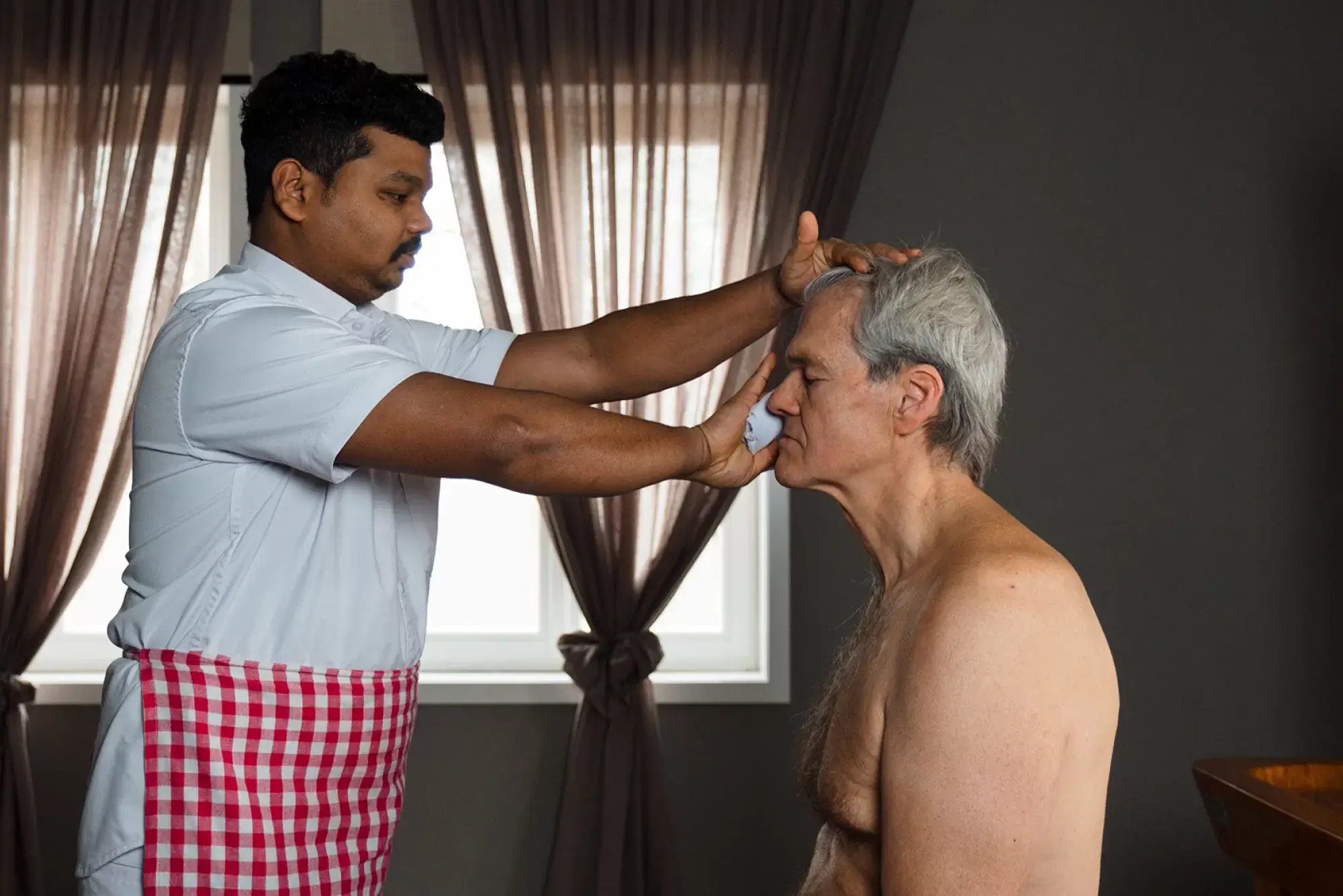
According to the ancient science of Ayurveda, health is synonymous with a balance in the body, mind, and soul. Abhyanga, the Sanskrit word, is derived from two words “Abhi” meaning “all over” and “anga” meaning “limb” or “body”, Wellness full body massage, which involves massaging the entire body in a synchronised pattern, offers a deeply restorative experience rooted in ancient healing traditions.
Abhyanga has been and still is being practiced in India for thousands of years. The Ayurveda Samhithas or classical textbooks describe it as a principal daily regimen for revitalizing life and achieving longevity.
Retreat Park Am See Nattika Ayurveda, a full body massage near you, is more than just relaxation it helps reduce stress, rejuvenate the nervous system, boost circulation, ease muscle stiffness, improve joint flexibility, and slow skin ageing.

Abhyanga works beyond the muscles and tissues it stimulates the nervous system, improves the lymphatic flow, and energy pathways (nadis). Here’s how it transforms stress into serenity:
1. Deep stress release
2. Detoxification
3. Circulation and Immunity
4. Better Sleep and Mental Clarity
5. Emotional Healing and Energetic Balance
Whether at an Ayurveda retreat like Park Am See or in your own home, Abhyanga can become a beautiful ritual of self-love and healing.
Daily or Weekly Ritual at Home
Ideal Timing
Retreat Experience: Why It Is Worth It
Tips for First-Timers
In a world overstocked with external stimuli and internal noise, a wellness full body massage offers a gentle yet powerful escape—a true haven for the senses. More than just a spa treatment, it is an ancient practice, a sacred ceremony in itself.
Healing for Abhyanga does not mean doing more; it means reducing the pace, softening, and listening. It is a return to one’s self – a gentle note that says, `Your body is your temple, and you are worth all the time and care.’
So if you feel exhausted and stressed out and disordered by disharmony let those warm oils and age-old strokes of an Ayurveda wellness Full Body Massage Near You lead you back into serenity: from noise down into still.