german flag britsh flag

JETZT ANFRAGEN

Integrating Yoga And Ayurveda For Mental Health And Stress Relief

Nowadays in the modern days, stress becomes a common word we see everywhere, and everyone is worried about their mental health and consulting even psychiatrist as they are suffering from stress. Not just a specific age group, but from children to aged people. Even it becomes a fashionable that exposing themselves as they are stressed, but not really everyone is in deep stress, some are self-made and self-assassination.

Stress can come by any reason, academic, family, relationship, failures, and career. But main reason and root cause is lack of mental stability and patience. Stress can be easily tackled if we have a good mental health, in which yoga and ayurveda doing a great job. Developing stress without managing them can leads to depression and other mental disorders.

Yoga deals with coordination of mind, body and soul, ayurveda nourishes one’s physical and mental health through diet and lifestyle changes. Ayurveda and yoga together helps to cure numerous diseases and also helps to rejuvenate the body.

The techniques and methods in yoga and ayurveda gives a massive impact on managing the stress. Ayurveda practices like Abhyangam, Shiro Picchu and Yogic methods of Asanas, Pranayama, Yoganidra, Shavasana and dhyana are effective in the case of managing the stress.

Yoga And Ayurveda For Stress Relief

Physical stress also impact stress in the mental level. Ayurevdic massage treatments helps to relax the tensions in the body which also impact our mind, which also make one to practice yoga easier. Yoga improves mental clarity, and it is scientifically proven that it in increase the cortisol level and enhance neurotransmitters like serotonin which are important to reduce the stress.Ayurveda works by balancing the tridoshas vata, pata and kapha.  When vata dosha aggravates, our mind becomes unstable , here ayurveda treatments helps to keep it in a balanced state.

Effects of Yoga and ayurveda in mental health

Both ayurveda and yoga balances the physical, mental and emotional body and it helps to keep our body in a balanced state.

Stress Reduction:

Imbalances in the vata can be reason for anxiety, restlessness and poor sleep patterns. Some of the yoga poses and pranayama helps to calms down the body and mind, also Ayurveda medicine like bharami, jatamansi and treatment like abhyangam helps calm down the mind and reduces the stress level. Imbalances in the pittha may be the reason for many digestive disorders. Asanas like pavanamuktasana, vajrasana, Vakrasana improves our digestion. Suryabhedana pranayama helps to remove the toxin from the body and sheetkari pranayama helps to cool down the stomach which is good in the case of acidity and irritations along with taking cooling herb like mint. Imbalances In the kapha doshas can cause depression and lethargic effects. Kapalabhati is the best one to balance the kapha doshas along with ayurvedic herbs like turmeric and ginger.

Importance of ayurveda and Yoga in improving mindfulness
Stress also can be handled with increased mindfulness. Ayurveda practices likes dinacharya helps to be in a present moment and avoiding mental distractions. Dinacharya along with yoga practice is the best way to improve our mindfulness. Some of the poses like vrkshasana, veerabhadrasana, Tadasana and pranayama helps to be in the present moment by improving our concentration.

Enhancing positive mental state
In yoga we often do meditation with visualization, gratitude meditations and other practices develop our positive energy and enhance our mood. Also, we can take ashwagandha to improve our positive mental health.

Balancing doshas
Imbalances on doshas can give a massive impact on mental health. Lets have a look how we can keep each doshas in a balanced state with the help of Ayurveda and yoga.

Vata Dosha
Vata is connected with our bodily activity like actions, speed, breathing. And the imbalance in vata dosha can lead to restlessness and anxiety and also it affects our concentration and distract  ourself from being in the present moment. As per Ayurvedic advise we can balance vata dosha by keeping ourself calm and wam. One should avoid frozen food and eat spices and warm food and also one should rest themselves properly to control vata dosha.In terms of yoga, we can do some relaxing asanas like sukhasana and balasana. Suryabhedana and nadishuddhi can be very helpful to slow down our-self and to balance the vata dosha.

Pittha Dosha 
Pittha is the essential one for our digestion and metabolism. Imbalances in the pittha dosha may cause irritations in the abdomen and also can trigger anger. By Ayurvedic scrips, we should control our in take of oil, salt and spiciness. also one can avoid making excessive heat in the body. We can also asanas like arddha mastyendrasana, shavasana and cobra pose to stimulate and balance our digestive system. Cooling pranayama like sheetkari and shitali can be helpful to removes excess heat and to balance the pittha dosha. 

Kapha Dosha 

Kapha dosha influences our stability, structure, immunity and emotional health. Kapha imbalance can lead to obesity, cold, heaviness and depression. One can avoid hard food, oily and fatty food. We should avoid eating of excessive cold nature products and needs to keep us active. Practicing sun salutation can be helpful to keep us active and to removes lethargic effect in our body. Also we can practice pranayama like nadishuddhi, kapalabhati can be effective to control kapha dosha in our body.

Conclusion

Ayurveda and yoga Hamburg is a perfect combination of asana, pranayama, Lifestyle, Diet, Meditation and Ayurvedic herbs and medicines to keep our physical and mental body healthy and to grow our self with a clean and positive mentality to overcome stress and other mental disorders. The integration of yoga and Ayurveda offers a comprehensive approach to mental health and stress relief. By aligning the body, mind, and spirit through yoga’s physical postures, breathing exercises, and meditation, alongside Ayurveda’s personalized dietary and lifestyle recommendations, individuals can achieve a deeper sense of balance and well-being. In an era where mental health is a growing concern, these ancient practices provide timeless wisdom for managing stress and fostering emotional resilience.

If you’re looking for a holistic approach to stress relief, consider exploring how yoga and Ayurveda can work together to support your mental health journey. With consistent practice and self-care, you can cultivate a peaceful mind and a healthy body, one breath at a time.

Frequently asked questions

What are the philosophical and spiritual connections between Yoga and Ayurveda?

Yoga and Ayurveda are deeply interconnected, both originating from the Vedic tradition of ancient India. Philosophically, they share a common goal: achieving balance and harmony within the body, mind, and soul. Ayurveda focuses on physical health and healing through diet, lifestyle, and herbal remedies, while Yoga emphasizes physical & mental clarity,and health spiritual growth, and self-realization,energy boosting,through postures (asanas), breath control (pranayama), and meditation. Spiritually, both systems aim to align the individual with the universal consciousness, supporting overall well-being and the journey toward inner peace and enlightenment.

The practical applications of Yoga and Ayurveda in daily life include:

  • Dinacharya (Daily Routine): Incorporates practices like meditation, yoga asanas,pranayamas and Ayurvedic self-massage to maintain physical and mental balance.
  • Personalized Diet and Nutrition: Ayurveda offers dietary recommendations based on individual constitution, which complement yoga practices to improve energy, digestion, and overall health.
  • Lifestyle Adjustments: Encourages healthy habits such as regular sleep, stress reduction, concentration and living in tune with natural rhythms to support long-term well-being.

Yoga and Ayurveda are deeply intertwined systems that share a common origin in the Vedas and are built on shared principles such as the five elements (earth, water, fire, air, and space) and the three gunas (sattva, rajas, and tamas). Ayurveda helps identify individual doshic imbalances (Vata, Pitta, Kapha), which can guide the selection of appropriate yoga asanas, breathing techniques, and lifestyle choices for better alignment and balance. Together, they offer a holistic approach to health, addressing the physical, mental, and spiritual dimensions of life. Ultimately, both aim not just at healing, but at supporting the journey toward self-realization and liberation.

Integrating Yoga and Ayurveda supports mental health through:

  • Holistic healing by addressing body, mind, and soul.
  • Reduced dependence on medication like antidepressants.
  • Improved mental resilience to handle stress and challenges better.

Yoga and Ayurveda share common roots in the Vedic tradition and work together toward overall well-being. Ayurveda focuses on physical and mental health through personalized diet and lifestyle changes, while Yoga unites the mind, body, and soul through practices like asanas and meditation. Both systems recognize individual differences, Ayurveda through doshas and Yoga through tailored poses making their connection symbiotic, with each enhancing the effects of the other to promote a healthier, happier life.

Yoga and Ayurveda help manage stress through a natural, holistic approach:

  • Yoga: Practices like asanas (postures), pranayama (breathing exercises), and meditation (dhyana) calm the mind and reduce tension,improving concentration.
  • Ayurveda: Recommends stress-reducing herbs (like ashwagandha), balanced diets, oil massages, and daily routines (Dinacharya) to support mental peace.

Together, they restore balance in body and mind, promoting long-term stress relief.
Personalized Ayurveda Skincare Based On Dosha Type

Skin is the largest organ in our body, which also reflects the overall health of an individual. According to Ayurveda, our skin is made up of seven layers, and each layer performs specific functions like protection from the harmful ultraviolet radiations and external forces, absorption of nutrients, secretion of sebum and sweat, synthesis of melanin and Vitamin D, temperature regulation etc. 

Have you ever wondered why your skin glows one day and the next, it’s breaking out? The reason being-our skin is connected to our inner wellness. A healthy skin is obtained not only by external therapies or applications, but most importantly from the internal health of a person. Only a happy gut can reflect a happy skin. Skincare regimen was always mistaken to be a female-only practice in our world since ages and often neglected by the men. However, in the modern era, who doesn’t like being pampered a little and looking young with a glowing skin? This validates the raise in number of cosmetology clinics and skin care practices around us.

Personalized Skin Care

Ayurveda, the ancient system of medicine, emphasizes the importance of understanding an individual’s body nature or imbalance before carrying out any treatments, and the same applies to skincare as well. According to the Prakruthi (basic body constitution) of each person, the texture and tone of skin varies. The vulnerability of each skin type to different diseases can also be related to the predominant dosha in each. In Ayurveda, the three doshas or vital forces namely Vatha, Pitha and Kapha regulate all the bodily functions.

In a Vatha predominant person the skin is dry and sensitive, prone to wrinkles and fine lines, which will need proper moisturizing and hydration. Oil massages regularly will also help in reducing the dryness of skin. In a Pitha predominant person, the skin is susceptible to acne, rosacea and sun burns or damages. The skin will need a calming and soothing regimen, which also helps to reduce inflammations and prevent breakouts. For a person with Kapha predominance, the skin is likely to be oily, thicker and shining, but highly prone to occurrence of comedones (blackheads and whiteheads). For a Kapha skin, proper cleansing and purification is always required to prevent the clogging of pores. The Ayurveda skin care regimen is always focused on the individual needs, after a careful and thorough evaluation by the Ayurveda Physician. Random skincare routines will create more adverse effects than positive outcomes, especially for a person having a sensitive skin. Along with the external therapies, proper diet and lifestyle corrections are mandatory for the maximum benefit. Internal medications are also prescribed if necessary for a better healing. ‘The whole universe is contained within an individual’-by holding on to this philosophy, let us unlock the secrets to a healthy and radiant skin with the magic of Ayurveda!!

Ayurvedic Cooking for Balance: Preparing a Tri-Dosha Meal

Ayurvedic Cooking for Balance: Preparing a Tri-Dosha Meal

Ayurveda envisages a concept of harmonious play of three factors for better health; viz, proper diet, medicine and lifestyle. Healthy food always nurtures the mind and body. Health promoting cuisine thus becomes an integral part of Ayurvedic treatment as well as regular life. The food is prepared based on the taste influence on the three doshas – Vatha, Pitha and Kapha .

What Is Tri-Dosha and Why Is It Important?

According to Ayurveda, our body has three bio energies namely Vatha, Pitha and Kapha which control our psych as well as physiology. The doshas thus influence an individual’s constitution as well their imbalance results in illness. A balanced meal, rooted in Ayurvedic cuisine,  with the correct nutrient mix hence  becomes inevitable for promoting health and energy.

Tri-Dosha Meal: A Recipe for Balance

To prepare a Tri-Dosha meal, use fresh, seasonal  and carminative ingredients:

Vegetables: Choose a mix of carrots, zucchini and sweet potatoes.

Grains: Basmati rice or quinoa as a base are light and support digestion.

ayurvedic cooking

Spices: Turmeric, cumin, ginger and fennel aid digestion and balance the Doshas.

Ghee: The fast penetrating and special ability of ghee as a catalytic agent to enhance the absorption of nutrients from the food makes the dish rich and healthy. The ghee ensures the palatability as well. 

The result is a warm and nourishing meal that enriches your body while strengthening your inner self. A stay at Park am See provides  the healing benefits of an Ayurveda cure in Germany during this frigid winter season. Here, you can experience not only the Ayurvedic cuisine but also the calming effects of detox programs along with meditative Yoga retreats. The authentic Ayurvedic cuisine and the scenic beauty of the castle park make your stay truly remarkable.

Frequently Asked Questions

What are the key aspects of Ayurvedic cooking?

Ayurvedic cooking focuses on balance, digestion, and using food as medicine. It emphasizes fresh, seasonal ingredients, mindful preparation, and cooking with herbs and spices that support your body type (dosha). Meals are designed to be easily digestible, warm, and nourishing, helping maintain harmony between body and mind.

Ayurvedic cuisine is a holistic approach to food that goes beyond just taste, it’s about creating balance in the body and mind. It uses fresh, seasonal ingredients cooked with healing herbs and spices tailored according to  the dosha. The meals are simple, warm and easy to digest, supporting overall well-being and digestion. It’s not just about what you eat, but how and when you eat, making food a form of daily medicine.

Ayurvedic cuisine is rooted in balance and mindful nourishment. It begins with understanding your dosha type Vatha, Pitha or Kapha to choose foods that support your unique needs. A balanced Ayurvedic meal includes all six tastes: sweet, sour, salty, pungent, bitter and astringent. Fresh, seasonal and local ingredients are preferred to maintain the food’s life energy (prana). Warm, cooked meals are favored over cold or raw foods as they’re easier to digest. Spices aren’t just for flavor, they’re used like medicine to support digestion and overall health. Most importantly, Ayurvedic eating encourages mindfulness: enjoying meals slowly, without distractions and being aware of how food makes you feel.

Ayurvedic cuisine supports better digestion, boosts immunity with fresh, natural ingredients, and promotes overall well-being and energy. It’s also highly personalized, as meals are tailored to suit each person’s dosha type for more effective results.

In Ayurveda, it’s best to avoid oily, heavy foods and dense carbohydrates, as they can slow down digestion. Instead, lighter grains like barley, buckwheat , quinoa and rye are recommended. Fruits such as apples and cranberries are great choices because they’re light and easy to digest. For drinks, herbal water and teas made of cumin and ginger can be beneficial. When it comes to sweeteners, natural options like raw honey and stevia are preferred over refined sugar.

  • Tailored to each person’s body constitution (dosha) and health needs
  • Considers physical, mental and emotional balance
  • Supports healing, energy, happiness and personal growth
  • Adapts to seasons, life stages and times of day
  • Flexible and practical for daily life with simple, customizable recipes
  • Encourages creativity and cultural preferences in cooking
  • Treats food as medicine to promote natural healing and well-being

Yoga Weekend Retreat near Park am See

Yoga Weekend Retreat near Park am See

Perfect time for an escape from the hectic daily race into relaxation, rejuvenation, and balance-find in a yoga weekend at Park am See. This retreat is perfect for beginners and more established alike, surrounded by the serene and idyllic nature of Mecklenburg-Vorpommern

Why Plan a Yoga Weekend?

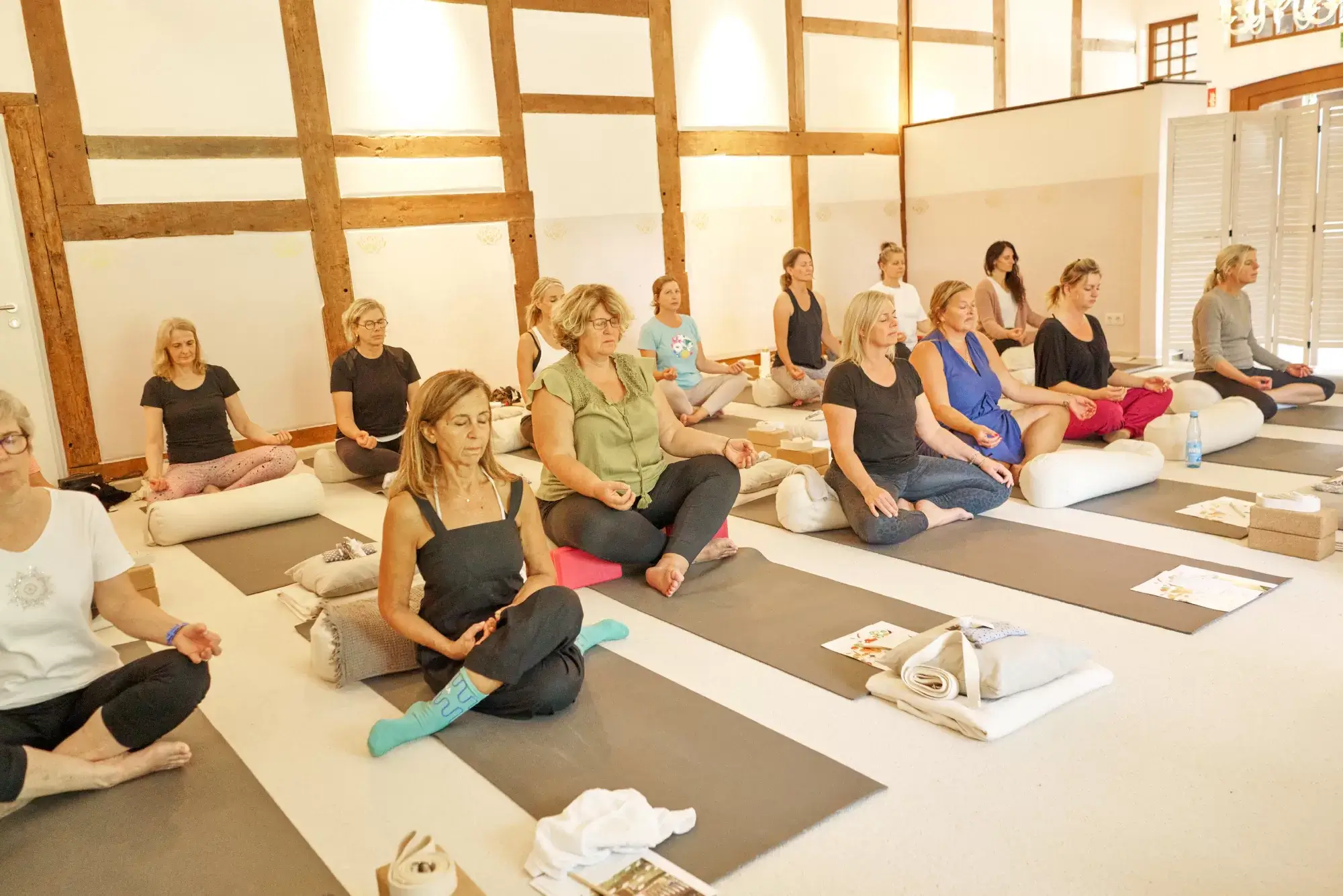
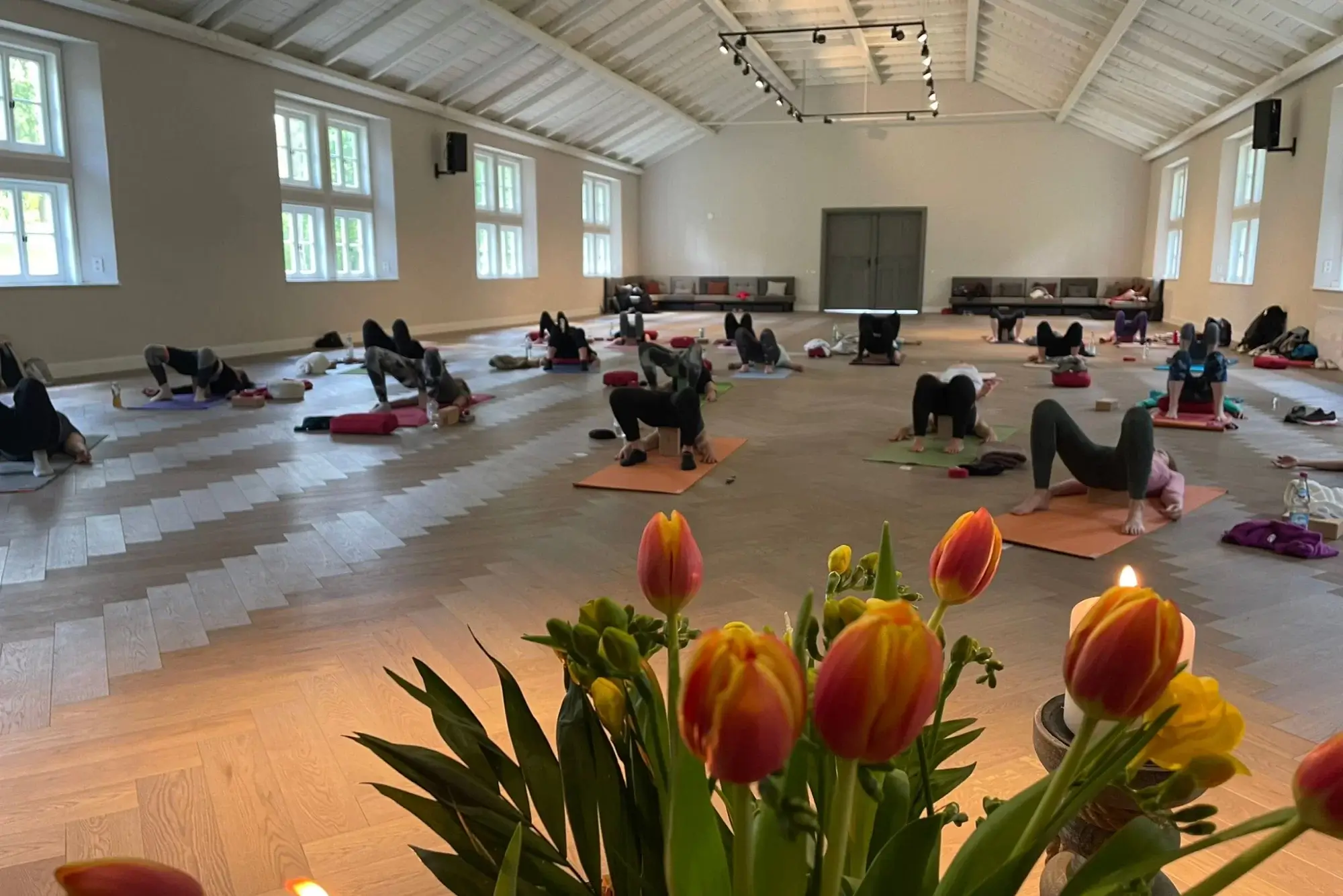
A yoga weekend retreat draws one into the world of stepping away from the routine daily lives and focusing on body, mind, and soul. Regular yoga, combined with guided meditations and breathing techniques, help relax and create peace within.

Yoga Retreat Near Park am See

The retreat is located near the historic Alt Rehse castle park and offers:

  • Professional yoga instructors with international experience
  • Holistic Ayurveda meals to complement your yoga practice
  • Nature walks and meditation paths in the Park am See
Yoga Weekend Retreat

Yoga and Ayurveda: A Perfect Combination

Combine your yoga weekend with a yoga cure or an Ayurveda cure in Germany to experience the benefits of detox and profound regeneration. The combination of yoga, Ayurvedic treatments, and relaxation techniques not only supports physical detoxification but also promotes emotional balance and mental clarity.

Wellness in Winter

Especially during the cold season, a yoga weekend provides an excellent way to strengthen your immune system and prepare for the winter months. Enjoy the tranquil atmosphere of Park am See and explore wellness offerings that nourish both body and mind. Yoga, Ayurveda, and the natural surroundings make this retreat a holistic experience for those seeking rest and rejuvenation.

Celebrating World Ayurveda Day at Park am See Nattika Ayurveda


On World Ayurveda Day, Park am See Nattika Ayurveda takes great pride in honoring the enduring wisdom of Ayurveda, an ancient wellness tradition that dates back 5,000 years and seeks to harmonize the mind, body and spirit. Based on the philosophy of preventive health care, Ayurveda offers natural and strong remedies and lifestyle practices which are powerful in developing overall well-being. At Park am See ayurveda hotel Germany, we perfectly combine the original treatments of Ayurveda with the peacefulness of Lake Tollense. Our health programs, designed by experienced Ayurvedic practitioners, are the most comprehensive in the exquisite medical constitution of each individual, the main aims are to balance and vitalize the body.

Guests can not only take part in their personal Ayurvedic consultation, but also, they have the option to indulge in the revitalizing therapies and herbal treatments that help them to discover their healing program that is specifically designed for their needs. This World Ayurveda Day, we advise you to come to our extensive Ayurvedic offerings, gain insight into the countless benefits of the old science and interact with yourself and nature in ways unheard of before. Our dedicated team at Park am See is committed to guiding you on a transformative journey toward lasting wellness, enriched by the profound wisdom that Ayurveda provides. However, the path to wellness is not just a destination; it is a journey of self-discovery and holistic integration.

Park Am See Ayurveda Team

Let’s make the move to evolve a lifestyle that contains balance and inner peace with us together. Take a closer look at Ayurveda, as every day may bring us health and happiness. On the other hand, it is only with consistency that this path can be successful. It’s not only a matter of the sheer joy of getting away for a while, but a real change in your lifestyle that helps your well-being. Transitioning to and adopting this lifestyle might indeed bear some struggles, but such values can yield to significant change. Therefore, a good number of individuals come to the point of experiencing things in their lives they never thought were possible.

Stress Management Through Ayurveda


In recent years, world has witnessed a noticeable shift in prioritizing mental health in overall wellbeing of people. Mental well being is recognized as a state of being that allows people to cop up with stress, anxiety, fear, rage etc in their lives. Amoung these stress being the main factor which affects the mental health as well as the physical health of a person. Stress when not managed properly pave way to several diseases in body. Ayurveda takes a holistic approach in managing mental stress and improving the overall psychological health of a person.

Ayurveda the ‘Science Of Life’ emphasizes on the balance of mind, body & spirit to achieve overall health and wellbeing. The three doshas in Ayurveda vatha, pitha & kapha are not only connected with physical aspects but also deals with physiological & psychological aspects of body. The stress, anxiety etc can cause imbalance of these three doshas which leads to diseases.

In Nattika ,the treatment focuses on both mind & body relaxation. Mind relaxation techniques used here are yoga, meditation, pranayama which helps to bring the mind ta a calm state.

Stress Management

Pranayama is the breathing exercises that helps to calm the body and mind which includes nadi shodhana, bhramari pranayama, ujjayi, kapalabhati. These are done under the guidance of an expert practitioner .It helps to improve sleep quality, reduce the risk of high blood pressure and enhance mindfulness.

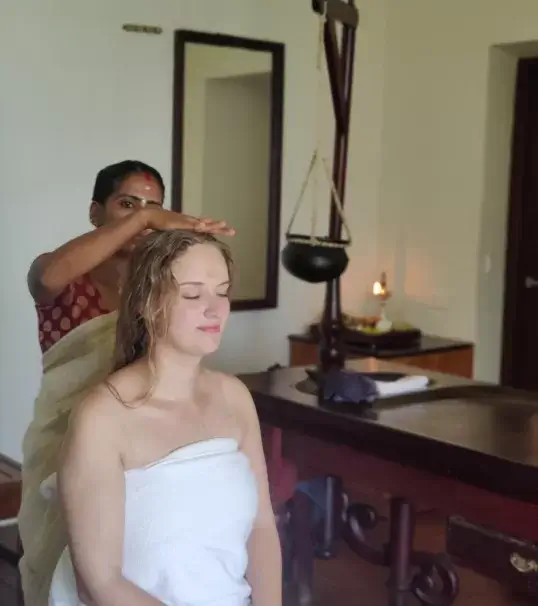
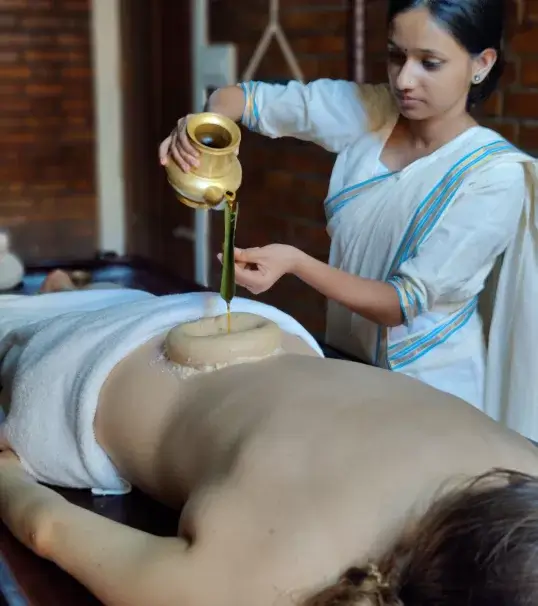
Apart from these in Park Am See Ayurveda cure in Germany, we have procedures like sirodhara, siroabhyanga, thalam which provides a mental relaxation and improved sleep. Sirodhara is a procedure which create a state of alert calmness similar to relaxation response observed in meditation. Ayurvedic herbs like Ashwagandha, Brahmi, Jatamanchi have anti-stress, adaptogenic properties that help to reduce stress and anxiety thus relax the nervous system.

Ayurveda Medicinal Plants An Overview


Ayurveda, the ancient system of medicine, first diagnoses the patient’s condition before treating them with internal preparations, diet, and regimen. Herbal preparations play a vital role in the Ayurveda healing process. There is a quote “Jagathyevam Anoushadham”, which means, there is no substance in the world that cannot be used as a potential medicine. Traditional Ayurveda texts mentions to avoid the use of plants that are not fully understood. Any plant, animal, or mineral substance can be included in the Ayurvedic pharmacopeia, only if it is fully understood in terms of its nomenclature, identity, properties, and applications. It is also against the use of substances that are not fully understood.

The scriptures also mentions to avoid the misuse of medicines, emphasizing that even poisons can have medicinal properties if used properly, while the best medicines can have a negative effect if used improperly. Of nearly 10,000 plants used for medicinal purposes on the Indian subcontinent, only 1200 to 1500 have been included in the official Ayurvedic pharmacopeia in more than 3,000 years. All plants will be studied in detail before they are included in the Ayurvedic pharmacopeia.

Ayurveda Medicinal plant

Almost 90% of Ayurveda formulations are plant based as they have a better effect on the body. Such actions enable the plant to reverse pathological and physiological processes as well as stabilize the doshas. In Ayurveda, most of the classical preparations are made of multiple herbs, with a combination of around two to sixty plants. These ingredients are carefully combined according to the properties and effects of each.

One or two of the plants in these combinations will be active and the others will play a supporting role. The supporting herbs will each have different actions, acting as a stimulant to help with proper absorption, transportation, and to reduce the toxic effects. When an ideal combination is provided, the result can be excellent, but such results are based on a thorough knowledge of the plants properties and the effect it will produce on the health status of the individual.

At Park Am See ayurveda hotel Germany, we provide the specific medications after a detailed examination of the patient, their health conditions, severity and taking note of the allergic reactions or intolerances one possess, if any. Herbal medications will be provided only if necessary to manage the condition, as we believe a proper regimen and diet can serve as the best medicine for an individual.

Seasonal Ayurvedic Tips for Wellness in Winter


As winter approaches, our bodies naturally slows down, hence we must modify our activities to be healthy. In Ayurveda the Vata and Kapha doshas govern the winter season. This can cause dryness, slows down digestion, and increase your likelihood of colds and other infections. To achieve balanced wellness in winter, Ayurveda offers specific tips to maintain vitality and warmth.

1. Start Consuming Foods Meant to Keep You Warm.
You should load up on warm, nutritious foods including soups, stews, and oats in the winter. Choose spices like turmeric, cinnamon, and ginger to aid your body in better digestion of food and increasing blood flow. The body uses root vegetables, entire grains, and good fats like ghee for stability and energy.

2. Have Warm Beverages to Keep Hydrated.
You still have to keep hydrated in the winter to remain healthy even if the cold can cause you less thirst. To keep hydrated and assist your body to naturally clean itself, sip hot water with a slice of lemon and honey or tepid herbal teas.

Winter-Wellness

3. Moisturize to Combat Dryness
An indication of Vata worsening in the winter is dry skin. Ayurveda claims that self-massage (Abhyanga) with warm oils like olive or sesame oil can help to cure the skin dryness and relax the nervous system, which also follows wellness in winter.

4. Establish a Consistent Routine
Wellness in winter depends on how you maintain your regular schedule (Dinacharya). Wake up early, engage in gentle yoga or meditation, and clear your mind and body with these practices. End your day with relaxing activities and a warm bath to ensure a restful night’s sleep.

5. Strengthen Immunity with Ayurveda Cure
Ayurveda cure in winter including Ashwagandha and Chyawanprash boost immunity and provide extra energy. They can also enable you fend against winter diseases. These Ayurvedic remedies help you stay strong in the face of typical seasonal fluctuations due to winter.

Including Ayurvedic principles into your daily routine will help to improve your overall wellness in winter. Seasonal imbalances can be avoided by harmonizing the Vata and Kapha doshas via good diet, daily self-care, and herbal medicines boosting the immune system. Ayurveda emphasizes keeping ourselves warm and eating healthy, especially in the winter. An Ayurveda cure in winter season might help to maintain energy and support general health, making it an ideal choice for those seeking an Ayurveda cure in Germany at Park Am See.

Ayurvedic Solutions for Hormonal Imbalance


The health of an individual, including one’s emotions, energy levels and other aspects of general well being can be altered by hormonal imbalance. Ayurveda, the ancient method of healing the entire person, has proven remedies for the restoration of imbalance in the body.

Support Hormonal Health with Diet

In Ayurveda , food is regarded as medicine. Hormones can be balanced out by inclusion of such foods like flaxseed, sesame seed, fresh vegetables e.t.c. Processed foods and excess sugars should be avoided from your diet since they might very much aggravate the imbalance. Cooling herbs such as shatavari and ashwagandha are particularly beneficial for female reproductive health.

Detoxify with Panchakarma

In case it is compromised, Ayurvedic remedies like Panchakarma can prove to be life-changing treatments. Ama is the term used to describe these toxins that disturb hormonal balance and panchakarma helps to get rid of them. So in a way, it is an aid to the endocrine system by virtue of purging out toxins thus enabling better management of hormonal levels.

Hormonal-Imbalance

Strengthen Your Doshas

Most of the time hormonal changes are related to dosha aggravation. For instance, excess pitta may lead to hot flashes or irritability and an aggravated vata may cause anxiety or even induce sleeplessness. Balance can be achieved by knowing your dosha and sticking to a specific lifestyle and diet suitable for you.

Reduce Stress through Ayurvedic Medications

Hormonal imbalance is often brought about by stress. However ayurvedic preparations such as Brahmi and Ashwagandha are adaptogens which help the body deal with stress and thus do not interfere with production of hormones. The other activities that can be done to reduce stress and achieve balance in these hormones include dinacharya (following a daily routine), meditation, yoga, and Pranayama (breathing techniques).

Sleep More for Hormonal Balance

Lack of proper Nidra (sleep) makes it impossible to maintain a healthy hormonal balance. Ayurveda suggests that a soothing night routine should be incorporated in order to enhance hormonal functions.

Addressing hormonal imbalance with Ayurvedic treatments allows for a natural and sustainable healing process. By understanding your dosha and adopting an Ayurvedic lifestyle, you can effectively reduce the symptoms of hormonal imbalance, ensuring long-term balance and wellness through an Ayurveda cure in Germany at Park Am See.

Virechana for Detoxification: An Ayurvedic Approach to Gut Health and Overall Wellness


Ayurveda Panchakarma refers to a set of treatment modalities which aim to clean up the body. In today’s busy world where it becomes difficult to find even some good air to breathe, such periodic detox treatments are becoming a necessity of the entire world.

When we talk of Ayurveda Panchakarma, the most familiar treatment that comes to most minds would be the Virechana treatment. This refers to “therapeutic purgation”. Being one of the most effective Panchakarma treatment modality, Virechana has become a prior choice among the health seekers throughout the globe. Here, oral medications are given and the person gets loose toilets.

But, this is just one visible side of Virechana. Just getting some loose toilets is not all about Virechana. Being one among the Panchakarma procedures, Virechana requires a lot of preparations which aims at bringing the vitiated doshas from various parts of your body to move in to the Koshta (Alimentary Canal). These preparations should be done strictly under the direct supervision and regular monitoring of an Ayurveda Doctor.

Ayurveda-Virechana

Preparations (Purvakarma) of Virechana includes assessment of your Koshta (nature of Alimentary tract), Agni (power of Digestion), Prakriti (Body nature), Vikriti (Imbalances), Bala (Strength), and a lot more (including the climatic conditions). Depending on all these factors, a Doctor can decide the nature and extent of the preparatory procedures that are required in each case. The treating Physician will regularly assess the impact of the preparatory procedures on your body, so as to plan the category of medicines that is to be chosen for causing Virechana (therapeutic purgation).

The day of Virechana is also crucial. An experienced Medical Team should be always available to provide adequate care and guidance throughout the day. After successful completion of the procedure, specially prepared dishes are to be taken as per the advice given by the Medical Team.

The real complication residing in the implementation of the procedure is that; all these steps – starting from the Purvakarma, the medicine administration, till the administration of the first food after the Virechana, everything is “customized”. The plan made for one person might be entirely different from the others. They all depend on the stages of Dosha imbalance of each individual!

Frequently Asked Question

Virechana is a therapeutic detox treatment in Ayurveda that gently cleanses the body by eliminating toxins (especially vitiated Pitha dosha) through controlled purgation. The duration of the treatment is personalized. An Ayurvedic doctor will assess your digestive health and overall condition to decide the exact number of days, which typically ranges between 12 to 18 days.

Virechana is a step-by-step detox process in Ayurveda. It usually begins with Snehana (Oleation), where the person takes medicated ghee for 3 to 7 days to loosen toxins in the body. External oleation through full-body oil massages are also done to enhance the effect of the procedure. This is followed by Swedana (Fomentation), a type of steam therapy to further prepare the body. Once ready, Virechana (controlled purging) is performed to help flush out deep-seated toxins. After the detox, a special recovery diet called Samsarjana Karma is followed to help the digestive system gradually return to normal.

Virechana is categorized into four main types, each based on the strength and purpose of the cleansing. Anulomana uses mild herbs to regulate bowel movement gently. Sramsana involves natural laxatives to promote detox in a balanced way. Bhedana is a stronger method using purgatives for deep cleansing, while Rechana also uses purgatives but with a more general detox focus. The choice depends on the individual’s health, strength, and specific condition, as assessed by the Ayurvedic doctor.

During Virechana, the diet is kept light, warm, and easy to digest to support the cleansing process. Foods like rice gruel (Peya), green gram soup, and simple khichdi are commonly recommended. Spices and heavy, oily, or processed foods are strictly avoided. After the main detox, the diet is gradually adjusted in stages to help the digestive system regain its strength.

The ideal Panchakarma therapy recommended in Ayurveda to eliminate excessively vitiated pitha dosha is Virechana (purgation). To balance excess Pitta, it’s best to eat lukewarm foods having a cooling property, and light foods. Choose foods that are slightly nourishing but not too heavy dishes. Avoid spicy, oily, and overly acidic and sour foods. Especially avoid all fermented, spicy and sharp foods in the evenings.