

The OM mantra, often referred to as “Aum,” holds a special place in the world of spirituality and meditation. OM finds its roots in ancient Indian scriptures, particularly the Vedas and Upanishads. It is regarded as the primordial sound from which the universe emerged. The symbol itself, when written or chanted, consists of three syllables – A, U, and M – representing the waking, dreaming, and deep sleep states of consciousness.
Additionally, the silent fourth aspect represents the transcendent, beyond ordinary consciousness. Om is considered the monarch of all mantras.
All bIjamantras and mantras originate from it. It prefixes some mantras. It is representative of the Supreme God Principle (Parabrahman).
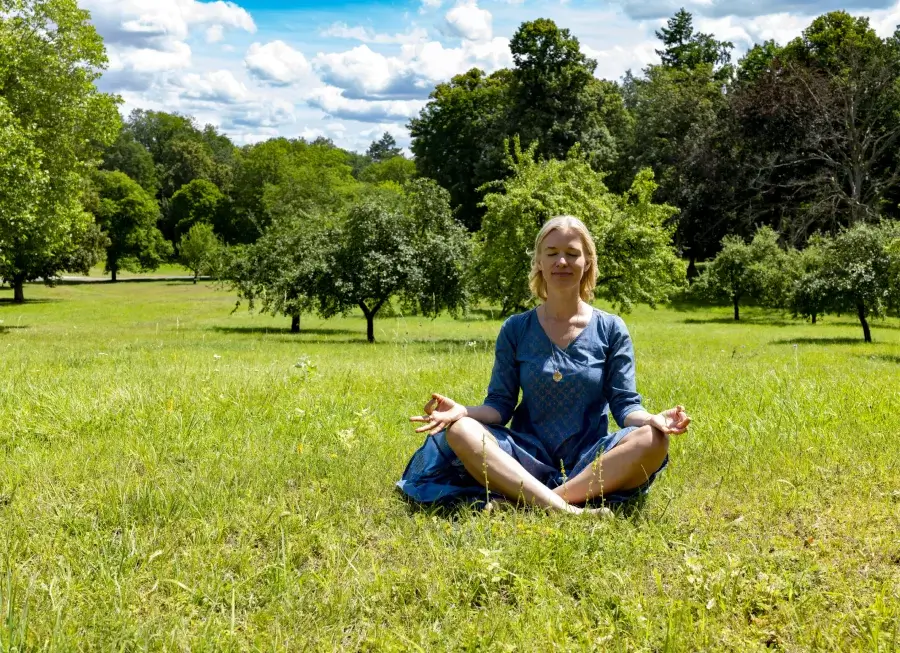
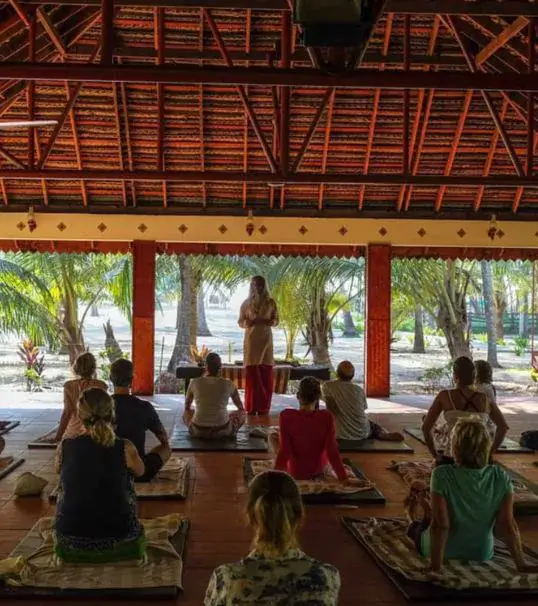
Chanting the Om mantra during yoga sessions at Park Am See helps guests focus their minds and pay attention to the present moment. It plays a very powerful role in paying attention or concentrating during meditation or any other activity that requires overall focus.
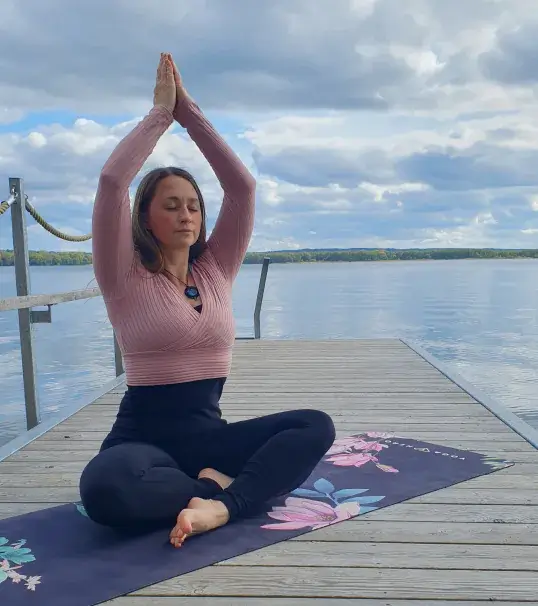
A sound or rhythmic power of chanting the Om can persuade a touch of serenity and composure and also helps to reduce stress, tension, and anxiety.
It promotes an experience of inner tranquillity. Om chanting generates vibrations that move through our entire body. Om chanting has been shown to improve mental, bodily, and energetic states. enhances a person’s general well-being as well. With its rich spiritual meaning and long history, the OM mantra never fails to uplift and guide guests on the journey of self-discovery and spiritual development.
OM, whenever chanted as a form of prayer or incorporated into meditation, continues to be a timeless symbol of the vast connection that unites the universe. May you discover new levels of inner serenity and spiritual awareness as you investigate the transforming potential of this divine sound.
In conclusion, the OM mantra is adored in yoga halls as a representation of harmony, equilibrium, and spiritual closeness. The resonant sound of OM, when chanted at the beginning, middle, or end of a yoga session, adds a hallowed quality to the practice and promotes an atmosphere that is beneficial for inner calm, self-discovery, and overall well-being.
A Fusion of Tradition and Innovation: Retreat Park AM See Nattika Ayurveda’s Ayurvedic Culinary Adventure
Ayurvedic cuisine is deeply rooted in ancient Indian traditions and philosophies, emphasizing a holistic approach to food and health. According to Ayurveda, food is not just sustenance but also medicine, and the principles of this culinary tradition are based on achieving balance and harmony within the body through mindful eating.
Ayurvedic cooking utilizes a diverse array of herbs, spices, grains, fruits, and vegetables, each chosen for its unique flavour profile and therapeutic properties.
At Nattika, we take pride in offering authentic Ayurvedic Indian cuisine that honours these age-old traditions while catering to modern dietary preferences and restrictions.
Our culinary approach revolves around providing nourishing and wholesome meals that are not only delicious but also tailored to individual needs and doshas.

Key Features of Our Ayurvedic Cuisine:
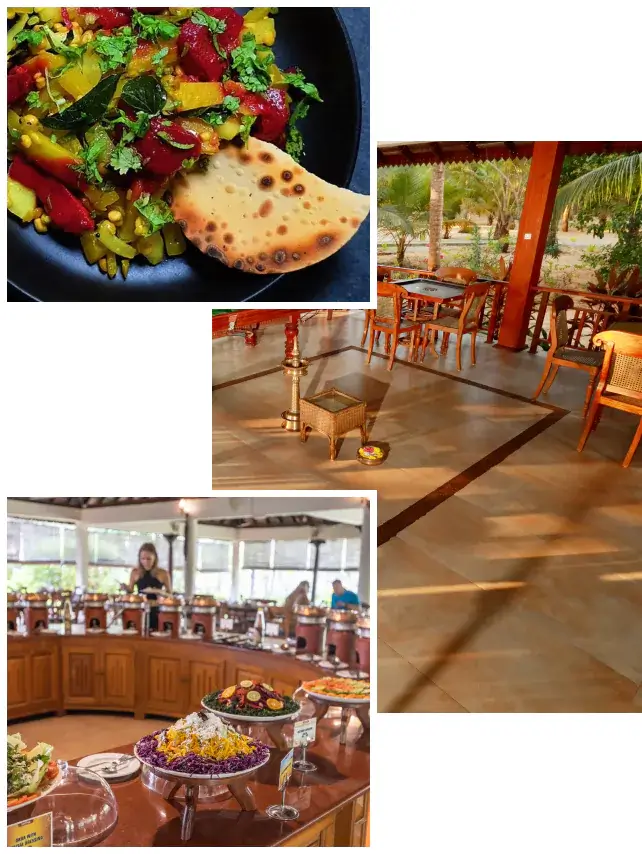
- Four-Week Meal Plan: We meticulously plan a four-week meal rotation, ensuring that there is no repetition of food items during the guest’s stay. This approach allows us to offer a diverse range of dishes while maintaining nutritional balance and variety.
- Customized Spice Levels: Recognizing that individual tastes vary, we offer guests the option to customize the spice level of their meals. Whether they prefer mild, medium, or spicy dishes, my team is dedicated to accommodating their preferences without compromising on authenticity.
- Personalized Dish Requests: We understand that each guest may have specific dietary preferences or restrictions. Therefore, we encourage guests to communicate their preferences or special requests, and my team is happy to prepare customized dishes tailored to their needs.
- Dosha-Based Menu Planning: Central to Ayurvedic principles is the concept of doshas—Vatha, Pitha, and Kapha, which represent different energy types or constitutions within the body. Our menu planning takes into account these doshas, and after careful consideration, we collaborate with our in-house Ayurvedic doctors to determine which foods are suitable for each dosha.
- Cooking Demonstrations: To promote culinary awareness and empower guests to embrace Ayurvedic cooking principles, I conduct cooking demonstrations twice a week (Tuesday and Friday). These interactive sessions provide insights into Ayurvedic cooking techniques, ingredient selection, and meal preparation, fostering a deeper appreciation for this ancient culinary tradition.
- Cookbook Availability: For guests who wish to recreate the flavors of our Ayurvedic cuisine at home, we provide three variety of cookbooks penned by myself. These cookbooks contain a treasure trove of Ayurvedic recipes, tips, and insights, allowing guests to continue their culinary journey beyond their stay at our retreat.
- Consideration of Meal Timing: In alignment with Ayurvedic principles, we refrain from serving desserts, yogurt, and raw vegetables in the evening, as these items are believed to disrupt digestion during the nighttime. By adhering to these guidelines, we ensure that our guests enjoy meals that are both nourishing and conducive to overall well-being.
As we delve into the essence of Ayurvedic Indian cuisine at Nattika, it’s essential to underscore one of our paramount advantages: our flourishing organic garden, where we cultivate a variety of seasonal vegetables.
Overall, at Nattika, we are committed to preserving the authenticity and integrity of Ayurvedic cuisine while adapting to the evolving dietary preferences and needs of modern guests. Through thoughtful menu planning, customization options, educational initiatives, and adherence to Ayurvedic principles, we strive to provide a culinary experience that promotes harmony, balance, and vitality for our valued guests.
By offering a harmonious blend of tradition and innovation, we invite guests to embark on a culinary journey that celebrates the rich heritage and therapeutic wisdom of Ayurveda, ultimately fostering holistic well-being and culinary satisfaction. Contact us to learn more !
Tridoshas
The uniqueness of ancient Indian sciences is the Panchamahābhūta theory, which holds good with any physical phenomena in the Universe! The whole universe is made up of 5 elements: Prithvi, Jala, Agni, Vayu, and Akasha. These are found in various combinations of different proportions, thus giving different physical and chemical properties to each substances. To better adopt the Panchamahābhūta theory to deal with the Human Body and the Human Mind, our great ancestors, devised the idea of Tridosha theory. Three Doshās make up the entire human body, in various proportions so as to perform various physical and biochemical functions.
In Ayurveda, we define the Doshās by their physical properties.
- Vata is a combination of Dryness, Lightness, Coldness, Roughness, Subtleness and Mobility.
- Pitha is a combination of Unctousness, Sharpness, Hotness, Lightness, Fleshy smelling, Spreading nature and Fluidity.
- Kapha is a combination of Unctuousness, Coolness, Heaviness, Slowness, Looseness, Stickiness and Immobility.
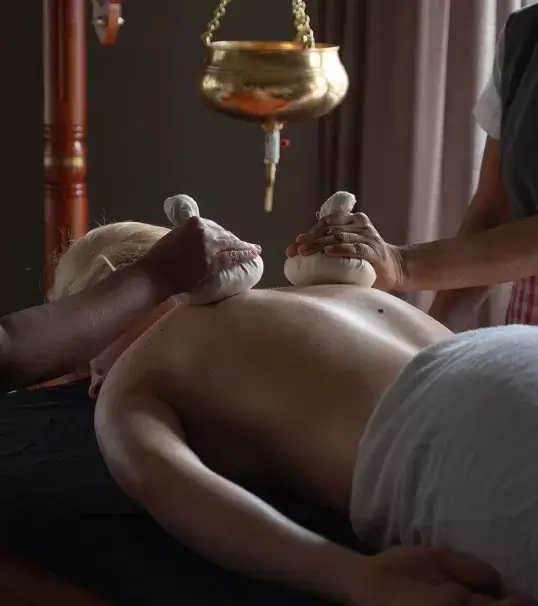
For instance, if you feel heaviness, it means there’s an increase of Kapha Dosha in your body. If you have a rise in body temperature, then it’s due to an increase of Pitha Dosha; and so on. There are a lot more applications for Tridoshas. In a person’s life span, the initial ages will have a dominance of Kapha Dosha, younger ages of youth will have dominance of Pitha Dosha, and as age progresses Vatha takes the dominance. During the day, early morning hours will be a dominance of Kapha in the body, middle noon hours will be a dominance of Pitha, and late evenings will be a dominance of Vatha. When a person eats food, immediately there’s an increase of Kapha. You might even feel increase of slime secretion in your throat and chest region at this stage which is an attribute of Kapha. Soon after this stage is the stage of Digestion where lot of heat is generated, which is an attribute of Pitha. After the digestion is completed it is the stage of Vatha. You might feel gases forming and may even get bloating at this stage. This is an attribute of Vatha. The real beauty of this Science is that it is easily relatable in life events. Thus the name “Science of Life” (Science ~ Veda and Life ~ Ayu) – AYURVEDA! Contact us to learn more !
Pancha Karma: A Comprehensive Ayurvedic Detoxification And Rejuvenation Therapy
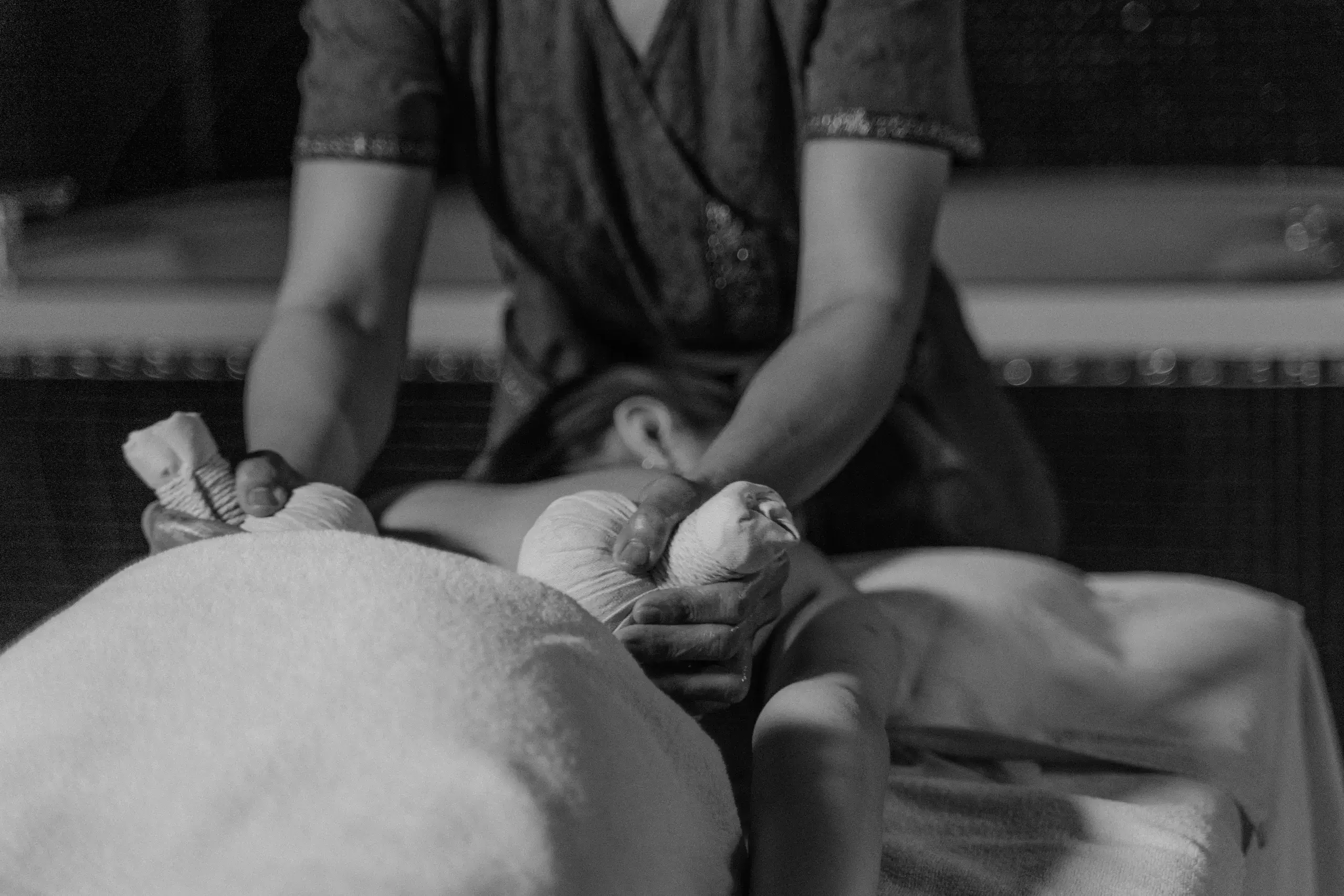
Panchakarma, an integral part of Ayurveda, is profound detoxification and rejuvenation therapy that aims to restore the body’s natural balance and wellbeing.
Panchakarma is deeply rooted in ancient texts like the Charaka Samhitha, which guide us in understanding the body’s intricate balance of doshas and the importance of maintaining the balance for optimal health.
“Yadha loke yadha dehe tadha dravyeshu karmani
Thada dosha dathu moolam sruthva shastre yathoktam” (Charaka Samhitha Suthra Sthana 26:12)
This verse reminds us that just as in the world and the body, everything has a cause, so do imbalance in the doshas and dhatus(tissues) have their root cause. Panchakarma aims to eliminate these imbalances and restore harmony of the body.
The word originated from Sanskrit language, where “Pancha” means “five” and “Karma” means “action/procedures”.
Panchakarma involves a series of treatment procedures designed to cleanse the toxins of the body(ama) and restore doshic balance.(Vatha, Pitha and Kapha).
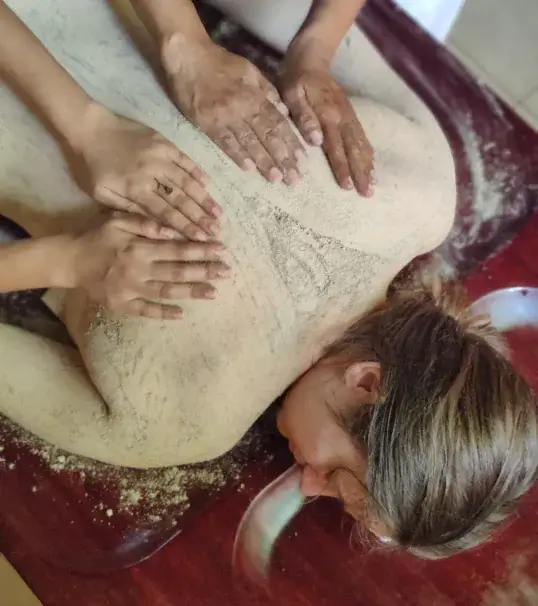
THE FIVE ACTIONS OF PANCHAKARMA
1.NASYA (Nasal Administration)
The term Nasya denotes ‘being in the nose’ or ‘belonging to nose’.
It is the administration of herbal oils, powders or paste through nasal route especially to eliminate the accumulated Kapha and thereby cleansing and rejuvenating head and neck region.
It is beneficial for treating sinusitis, migraine, facial palsy, hair problems etc. “Urdwajatru vikareshu viseshath nasyam ishyathe”
2. VAMANA (Therapeutic emesis)
This is the controlled process of inducing vomiting through oral medications to eliminate the excess Kapha dosha from the upper respiratory tract and stomach.
It helps in treating bronchitis, asthma, allergies etc.
3. VIRECHANA (Purgation Therapy)
Virechana involves the use of herbal laxatives to eliminate the excess Pitha dosha from the lower gastrointestinal tract.
It is useful in treating digestive issues, liver conditions like jaundice, skin disorders etc.
4. BASTHI (Enema Therapy)
Basthi is considered the most important of all Panchakarma treatments and is a key component of a Panchakarma cure in Germany. It involves the introduction of herbal decoctions and oils into the colon to remove accumulated toxins and balance the Vatha dosha. Basthi is effective in treating chronic constipation, backache, and neurological disorders.
5. Rakthamokshana (Blood Letting)
This involves the removal of small amounts of blood to eliminate toxins and improve circulation.
Some of the common methods used for bloodletting are Leech Therapy, Venesection and Cupping.
It is mainly used for treating skin conditions and joint disorders.
THE PANCHAKARMA PROCESS
- Poorva Karma (Preparatory Phase): This phase involves preparing the body for Panchakarma through dietary modifications, Oleation (Snehana) and Sudation(Swedana).
- Pradana Karma (Main Therapies): The main Panchakarma therapies are performed based on the individual’s constituition and health condition.
- Paschat Karma (Post –Therapy Care): After the main therapies, a specific diet, lifestyle recommendations, and herbal formulations are prescribed to support the body’s healing process.
Panchakarmabhir yukthanam prajayathe phalodhayah Sa vaidyaka parikshartham vidhivath kuruthe dravam” (Charaka Samhitha Su.26:13) This verse highlights the effectiveness of Panchakarma when performed correctly by an Ayurvedic Physician. It emphasizes the importance of following the prescribed methods for optimal result. At Rockholm, we offer a serene and nurturing environment for your Panchakarma
Experience the Age-old Techniques of Ayurveda Rejuvenation
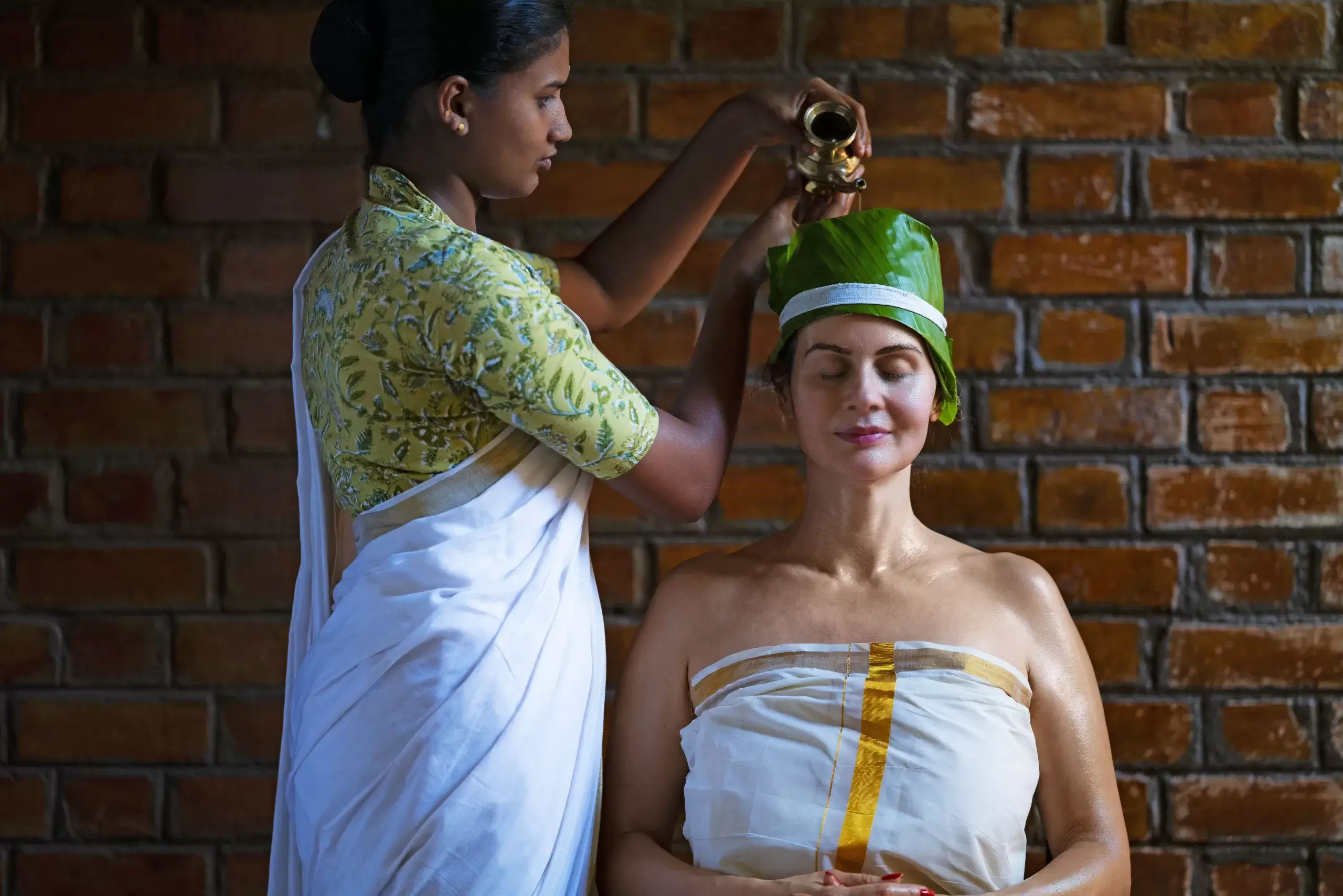
At Retreat Park AM See Ayurveda cure in Germany the rejuvenation treatments known as “Rasayana,” focus on revitalizing the body, mind, and spirit to promote longevity and vitality. Rooted in ancient Indian wisdom, these treatments aim to balance the body’s doshas (energies) while detoxifying and nourishing the system.
Central to Ayurvedic rejuvenation is the concept of restoring the body’s natural equilibrium through personalized therapies tailored to an individual’s unique constitution, known as Prakriti. The therapies followed at Retreat Park AM See Nattika Ayurveda often include a combination of herbal remedies, dietary adjustments, massage techniques, and lifestyle modifications.
Key components of our retreat are rejuvenation including Panchakarma, a detoxification process that eliminates toxins from the body through therapies. Additionally, dietary changes, yoga, meditation, and specific herbal formulations are prescribed to strengthen the body’s resilience and promote overall well-being.
These rejuvenation treatments not only address physical ailments but also target mental and emotional imbalances, promoting inner peace and harmony supported by the excellent ambience of our Retreat. By restoring the body’s natural state of balance, Ayurvedic rejuvenation therapies offer holistic healing and rejuvenation, allowing individuals to experience renewed vitality, mental clarity, and enhanced overall health and wellness.
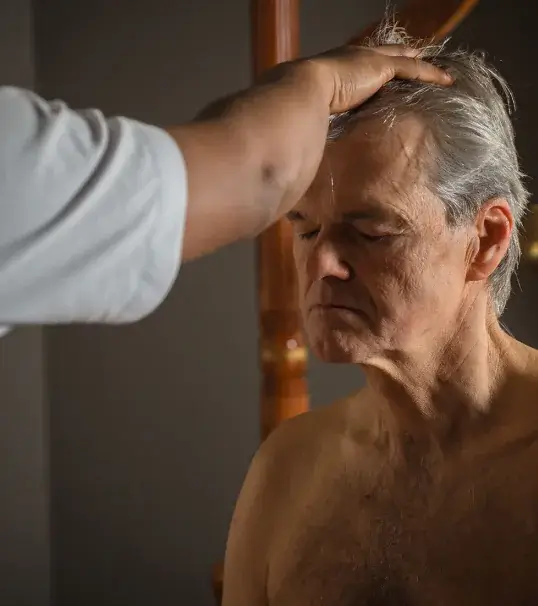
Bridging Ancient Wisdom of Ayurveda with Modern Wellness in Global Contexts
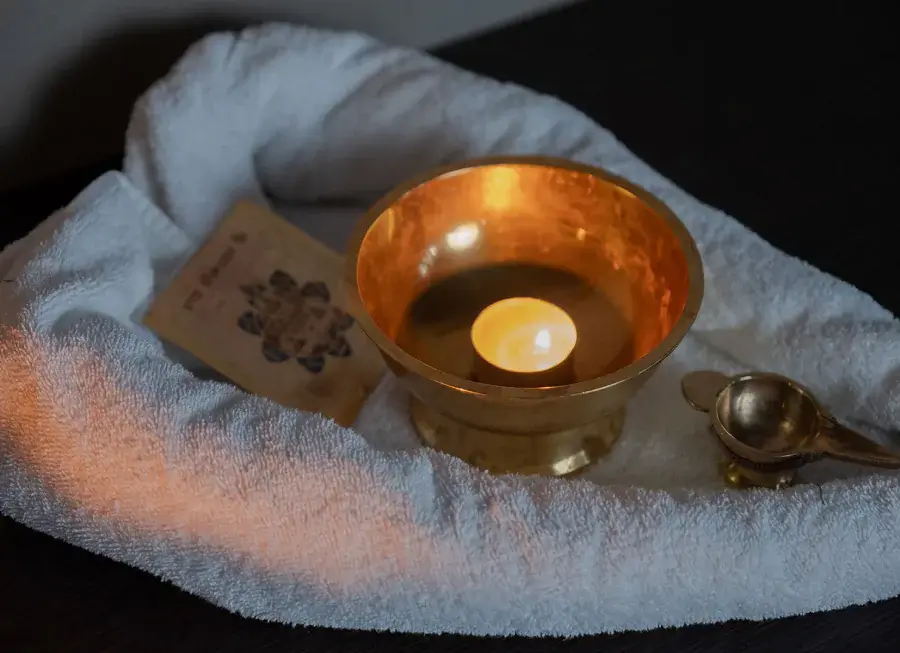
Ayurveda, referred to as the “science of life,” is an ancient holistic healing system that originated in India over 5,000 years ago. Rooted in the Vedas, the ancient scriptures of India, Ayurveda offers a comprehensive approach to health and wellness, addressing the interconnectedness of the body, mind, and spirit.
The core of Ayurveda are three fundamental principles known as the Tridoshas: Vata, Pitta, and Kapha. These bioenergetic forces govern all physiological and psychological functions in the body. Health is considered to be a state of balance and harmony among the doshas, while disease arises from imbalances. Ayurveda seeks to restore equilibrium through personalized dietary and lifestyle interventions, herbal remedies, and therapeutic practices
The significance of seasons, climatic conditions, and region in Ayurveda cannot be understated, influencing various aspects of health, lifestyle, and well-being. Ayurveda recognizes the unique qualities and influences of these factors and provides guidelines for adapting diet, lifestyle, and therapies accordingly
Despite its origins in the Indian subcontinent, Ayurveda’s principles can be applied effectively in Germany and other European climatic conditions due to its focus on individualized care and natural healing methods. The relevance of Ayurveda treatment in European climatic conditions is evident through several key aspects:

Balancing Doshas: Ayurveda recognizes three primary doshas (Vata, Pitta, and Kapha) that govern various physiological and psychological functions. Regardless of the climate, individuals can experience imbalances in these doshas due to factors like diet, lifestyle, and stress. Ayurvedic treatments aim to restore doshic balance through personalized dietary recommendations, lifestyle adjustments, herbal remedies, and therapeutic practices such as Panchakarma.
Adaptability: Ayurveda is known for its adaptability and flexibility. While certain herbs and practices may be traditionally associated with specific climates, Ayurvedic practitioners have the expertise to modify treatment protocols according to individual constitution (Prakriti), current imbalances (Vikriti), and environmental factors. This allows Ayurveda to be tailored to the needs of individuals living in diverse climates, including Germany and other European countries.
Emphasis on Seasonal Routines (Ritucharya): Ayurveda recognizes the importance of adjusting diet, lifestyle, and daily routines according to seasonal variations. Although the seasons in Europe may differ from those in Ayurveda’s place of origin, the underlying principles of Ritucharya remain relevant. By following seasonal recommendations tailored to the German climate, individuals can optimize health and well-being throughout the year.
For example, Vata dosha tends to be aggravated during the cold, dry, and windy seasons such as late winter (Shishira) and early winter (Hemanta). During these seasons, the environment is characterized by qualities that increase Vata, such as coldness, dryness, and mobility. To pacify aggravated Vata, individuals should focus on warm, nourishing, and grounding foods, as well as adopt practices that promote stability and relaxation.
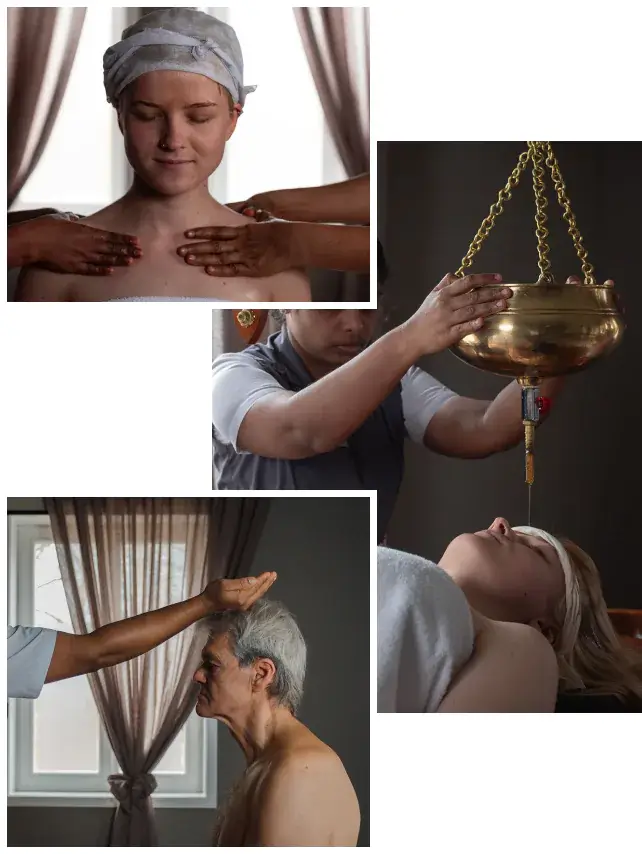
Natural Remedies and Therapies: Ayurveda offers a wealth of natural remedies and therapies that can be beneficial in any climate. Herbal medicines, oils, and dietary supplements recommended in Ayurveda can help strengthen the immune system, support digestion, reduce inflammation, and promote overall vitality, regardless of the external environment. Additionally, Ayurvedic therapies such as Abhyanga (oil massage), Shirodhara (oil pouring on the forehead), and Swedana (herbal steam therapy) can provide relaxation and rejuvenation in any climate.
Stress Management and Mind-Body Connection: Ayurveda places great emphasis on the mind-body connection and recognizes the impact of mental and emotional factors on health. In an era where stress-related disorders are prevalent, Ayurveda therapies and supportive techniques such as meditation, yoga, and mindfulness practices can offer valuable tools for stress management, promoting mental well-being and resilience.
In the realm of holistic wellness, Nattika Ayurveda Group stands as a beacon of innovation and dedication. With a rich legacy of promoting Ayurveda in India and beyond, the Group has created two iconic Ayurveda resorts, each embodying the essence of authentic Ayurveda Pachakarma and healing, set amidst breathtaking landscapes.
The Nattika Beach Ayurveda Resort, inaugurated in 2009, stands as an epitome of sustainable luxury nestled on the serene shores of Nattika Beach in Thrissur, Kerala. This exclusive resort offers an immersive Ayurveda treatment experience amidst the tranquility of nature, providing guests with an unparalleled sanctuary for rejuvenation and wellness.
Additionally, the transformation of Rockholm at the Light House Beach, from a distinguished seaside hotel in the early 1980s to an authentic Ayurveda retreat, showcases the Group’s commitment to preserving heritage while embracing holistic wellness. Set against the backdrop of spectacular views, the retreat offers guests a tranquil haven for mindful living and healing.
Recognising the growing global interest in holistic wellness, Nattika Ayurveda Group has expanded its reach beyond Indian borders, venturing into Germany with the establishment of Park Am See Nattika Ayurveda. Situated on the shores of Lake Tollensesee, this historic property has been transformed into a holistic sanctuary, offering guests an immersive journey into Ayurvedic healing amidst the tranquil beauty of nature.
By bringing the essence of Ayurveda to Europe, Nattika Ayurveda Group is not only bridging cultures but also fostering cross-cultural exchange, enriching lives and promoting well-being on a global scale.
Moreover, the upcoming global projects indicate that Nattika Ayurveda Group is actively engaged in further expanding its footprint beyond India and Germany. Through these forthcoming endeavours on the horizon, the group aims to amplify its impact on the global stage, spreading the wisdom of Ayurveda to new territories and communities
In conclusion, Ayurveda treatment is highly relevant globally, offering personalised, natural, and holistic approaches to health and wellness. By integrating Ayurvedic principles into their lives, individuals can enhance their resilience, vitality, and overall quality of life, regardless of the external environment. Through the establishment of Ayurveda retreats in India, Germany, and forthcoming global projects, the Nattika Ayurveda group is not only shaping the landscape of wellness tourism but also fostering a deeper appreciation for Ayurveda’s timeless wisdom on a global scale. As we look towards the future, Nattika Ayurveda Group continues to lead the way, championing Ayurveda as a beacon of health, harmony, and holistic well-being for all.
Introduction of Ayurveda
India belongs to an age old civilization, which was blessed with great knowledge in various streams of sciences; be it Astronomy, Mathematics, Architecture or Medical Science!
Ayurveda – Probably the oldest systematic health science – The Mother of all Systems of Medicine – has its roots in the Indian Subcontinent!
We had a great tradition of Vaidya Samuha namely The Charaka, Susrutha, Vagbhata, Madhava, Chakrapani, and Bhavamishra to name a few.
Due to various reasons, most of the civilizations throughout the world had many setbacks; so did our civilization too… The biggest reason for our setback was the destruction of our prominent Universities – The Nalanda, The Takshashila and lots more of the contemporary Centres of Excellences.
This great “Science of Life” is not just some hundreds of years’ old. It’s believed to have started evolving more than 5000 years back. The oldest fully available textbook on Ayurveda, The Charak Samhita was written around 3000 years ago.
Thus, from its origin, to the documentation of Charak Samhita, there exists a gap of 2000 years. During those times, the only prevalent medical system in the Indian subcontinent was the primitive forms of Ayurveda.

It was the continuous research and the trials conducted on extremely large populations, which culminated in the formation of the great Medical Literature of Charak Samhita!
Presently, there isn’t any other contemporary medical system which has such an enormous research backup of 3000 long years! This is the reason behind the trust and reliability that attracts people from the whole world to The Ayurvedic path of Life.
When a question arises about the long term benefits of a drug or a therapy, there aren’t many options in the contemporary medical systems that have a research backup of more than two generations; but Ayurveda has! The therapeutic measures followed in Ayurveda are generations old and are in practice for thousands of years. Continuous modifications and refinements led to a flawless version which is presently being practiced in various parts of the world. It may seem a little odd when you hear the phrase that Ayurveda has no side effects. The reality is that throughout these long years of continuous research and modifications, we were able to develop protocols which suit everyone
When Ayurveda describes Life, it considers the whole person. The concept that Health is not just physical well-being, was well understood by the ancient Ayurvedic practitioners. They took Physical, Mental and Social well-being into consideration while describing the Ayurvedic lifestyle. The beauty of Ayurveda is that there’s every description of step by step routine activities and instructions on how to live each day!
There’s a detailed description of Dinacharya (Daily regimens) in the classical textbooks of Ayurveda, which helps to maintain the equilibrium of physical and mental health. Still there’s a chance that changes in the external environment can affect your body and mind. Taking this possibility into consideration, there’s a description of Ritucharya (Seasonal regimens) in the Ayurvedic classics.
How to interact in a society is very much important when it comes to the global peace. Ayurveda also advices measures to lead a better life as a Social being. It is the union of all these aspects, together constituting the real definition of Ayurvedic Wellness.
At Nattika, throughout your stay here, we introduce the core concepts of The Ayurvedic Way of Living, thus you will get adapted naturally to align with the mother nature and lead a sustainable life which is the need of the future generations too! A person who is regularly taking Ayurvedic treatments will definitely feel the disciplinary impact it has on life. We strongly believe from our previous years’ experience that Ayurvedic therapies along with careful lifestyle modifications can really help in improving the quality of Health! Contact us to learn more !
Understanding Insomnia: Causes, Effects, and Management Strategies through Ayurveda

Introduction: Insomnia, often referred to as the silent epidemic of modern society, is a sleep disorder that affects millions of people worldwide.
Characterized by difficulty falling asleep, staying asleep, or both, insomnia can have profound effects on an individual’s physical health, mental well-being, and overall quality of life. In this article, we will delve into the causes, effects, and management strategies for insomnia, shedding light on this often misunderstood condition.
Causes of Insomnia: Insomnia can be triggered by a myriad of factors, including stress, anxiety, depression, medical conditions, medications, poor sleep habits, and environmental factors. Stress and anxiety, in particular, are the common culprits, as the incessant rumination and worry can make it challenging to relax and fall asleep. Similarly, individuals suffering from depression may experience disrupted sleep patterns due to alterations in neurotransmitter levels and circadian rhythms. Medical conditions such as chronic pain, asthma, and gastrointestinal disorders can also contribute to insomnia, as can certain medications like antidepressants, corticosteroids, and stimulants. Moreover, poor sleep hygiene practices, such as irregular sleep schedules, excessive screen time before bed, and consumption of caffeine or alcohol, can exacerbate sleep difficulties.

Effects of Insomnia: The consequences of chronic insomnia extend far beyond mere fatigue and drowsiness. Sleep deprivation can impair cognitive function, memory consolidation, and decision-making abilities, leading to decreased productivity, impaired academic or occupational performance, and an increased risk of accidents and errors. Furthermore, insomnia has been linked to numerous physical health issues, including obesity, diabetes, cardiovascular disease, and compromised immune function. Mental health is also profoundly impacted, with insomnia being a significant risk factor for the development of mood disorders such as depression and anxiety disorders. Moreover, the relentless cycle of sleeplessness can exacerbate existing mental health conditions, further exacerbating symptoms and reducing overall well-being.
Physiology of Sleep in Ayurveda
When the mind including sensory and motor organs is exhausted and they dissociate themselves from their objects, then the individual sleep.
We should all become aware about the presence of a sub-conscious mind, where everything, even the tiniest of your momentary thoughts can get stored forever. Our body and mind are strong enough to suppress the expressions of this sub-conscious mind when we are active. But what happens when our body takes a rest? Our sub-conscious mind attains the power to get expressed and it fights out the suppressions. This “resting phase” is what we call “Sleep” – the most gifted phenomenon for almost all organisms. What if you are not able to get a proper rest? It would become even more troublesome to sustain, as the world gets busier!
The holistic approach of ancient Indian medical scholars lit up their vision towards the importance of Sleep in the normal continuity of our daily life.
The World’s oldest systematic medical textbook – The Charak Samhita, describes about three sub-pillars of Life. They are Āhāra (food), Nidra (Sleep) and Brahmacharya (Celibacy).
Much importance is given to Sleep as it is told along with Food, without which life is impossible! This might be the reason for the increased queue for receiving Ayurvedic treatments in India and many places in the Western countries too. Being able to receive a good sleep, and that too, a Natural Sleep – without any sedative drugs will be the most sought-after therapy that anyone would love getting!
When to sleep is also properly described in Ayurveda. Sleeping at the wrong time will also cause derangements in the equilibrium of Doshās and thereby leads to diseases in the future. Sleeping is told to be an attribute of the Kapha Dosha. Kapha is one among the Three Doshās which is able to create Āvarana (coverings) around the other Doshās as well as around certain body parts. When Kapha is able to create a covering over the Manas (Mind), a person falls into sleep!
The ancient Ayurvedic researchers in India did a lot of works on Sleep. It is told that a proper sleep can provide you with Suhka (wellbeing), Pushti (Nourishment), Bala (Strength), Vrishatha (Vigour), Njānam (Concentration), and Jeevitham (a pleasant life); whereas improper Sleep will just do the opposite! Such effects are possible due to the action of sleep in determining whether to increase or to decrease the Doshās (the fundamental functional units of living body according to Ayurveda).
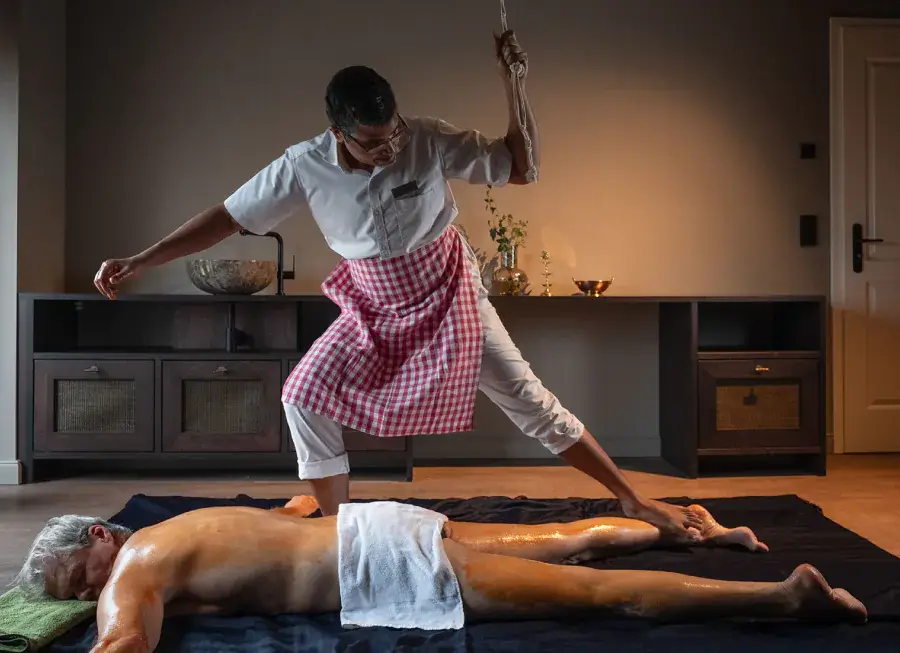
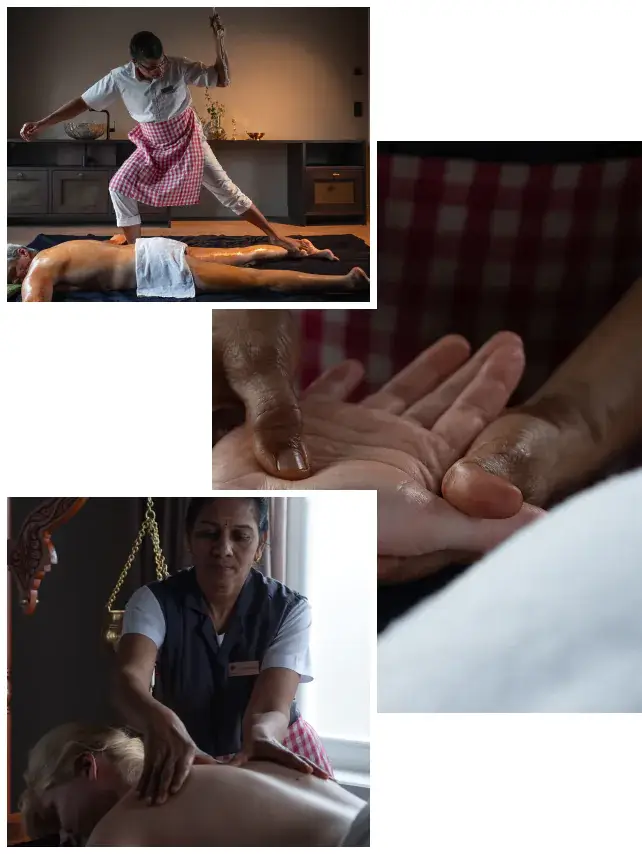
- Abhyanga: This is the typical Ayurvedic Oil massage. It has excellent capacity to reduce Vatha and is specifically indicated to promote Sleep according to the Ancient Ayurvedic textbook named Ashtanga hridaya. It also has the ability to remove exhaustion, promote excellence of Vision, nourishment, longevity and is good for the skin.
- Thalam: it is the process of applying medicinal powers or sometimes medical pastes over the vertex of the head. This is a very minor procedure, which is usually done along with other main treatments as a Pre-procedure. Even then, it has the ability to manage stress and promote sleep, depending on the medicine which is used for the procedure.
- Nasyam: this the procedure of instilling medicated oils or sometimes medicated water drops through the nostrils. Nose is considered as the entry level to all the internal structures inside head. It is found to be the most effective route of administration of medicines that are aimed to treat the brain’s functioning.
- Padabhyanga: This is specifically the massage given to the feet. Ayurvedic textbooks opine that doing massage under the feet with certain medicated oils can promote sleep even in the worst conditions.
- Thakradhara: This is the process of pouring medicated buttermilk over the body, especially over the head when sleep is the targeted effect. Buttermilk for this purpose is processed with many herbs, especially the Amla (Indian gooseberry).
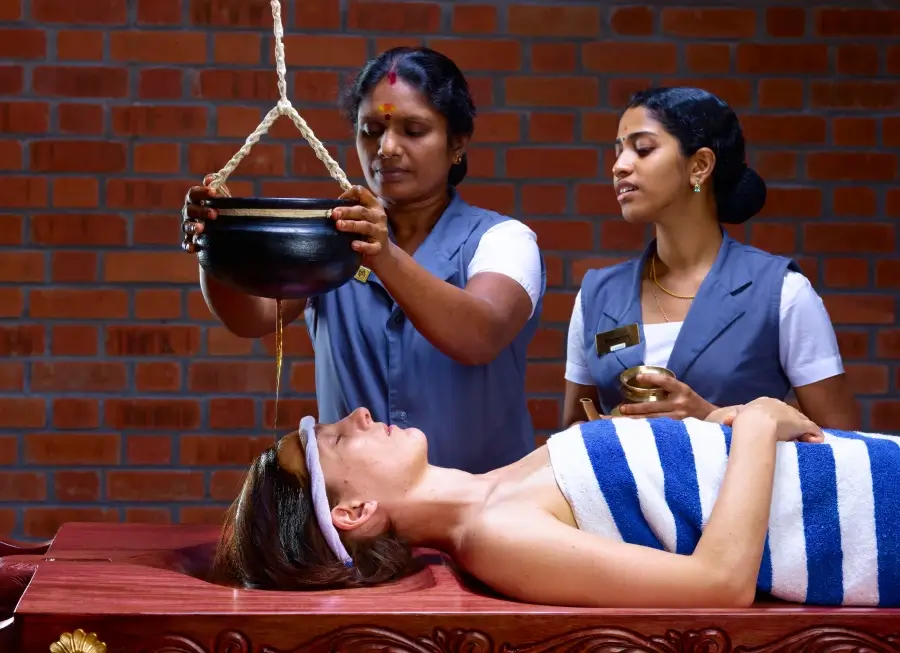
- Sirodhara: This is the process of pouring medicated oils over the head. Sirodhara is one of the most sought after treatments in Ayurveda for all those who love to get a good sleep. Many people who regularly take Ayurveda treatments often tell that they slept in between the Sirodhara!
Even though these treatments have sleep promotion as their special indication, other treatments may also become necessary to prepare your body, so that your bod accepts these procedures. Sometimes, a Vasthi (liquid medicine administration through the anal route) may be required if your Vatha is on the higher side. Sometimes a Virechana (induced purgation) may be required if your Pitha is on the higher side.
There are every sorts of solutions for this problem, elaborately described in our ancient texts. The only thing is to choose the combinations of therapies and the best sets of medicines that suits for each individual, while performing these treatments. This is what your Ayurvedic physician will decide for you; depending on several individual traits like the body constitution, age, the imbalanced doshas, the sites or location of the disequilibrium of doshas, and so on.
Once the root cause is resolved, it is very important to keep your mind and body stay healthy afterwards, and continue to be free from the earlier complaints. Ancient Indian sciences have described many lifestyle modifications in the form of Yoga, Meditation and Pranayama (breathing practises).
Yoga has gained worldwide acceptance for its effectiveness in promoting a healthy mind and body. While Ayurveda pertains more about correcting the body, Yoga pertains more to correcting and controlling the Mind. Thus, a combination of various modalities derived from the Ancient Indian wisdom can help to resolve this problem to a greater extend!
Benefits of Ayurveda

Every science was born out of the ardent search for ways to improve the quality of Life. This search can be traced back to the origin of mankind! Man found out many new techniques and developed new technologies to aid for the sake of well being. These tools have improved the quality of life and also helped us a lot to reduce our physical workload. Apart from these advancements in terms of technologies happening mainly in the West, there was a parallel development in the field of Healthcare in the ancient Indian subcontinent. Today we have a refined version of this great healthcare civilization – Ayurveda!
This great “Science of Life” is not just some hundreds of years’ old. It’s believed to have started evolving more than 5000 years back. The oldest fully available textbook on Ayurveda, The Charak Samhita was written around 3000 years ago. Thus, from its origin, to the documentation of Charak Samhita, there exists a gap of 2000 years. During those times, the only prevalent medical system in the Indian subcontinent was the primitive forms of Ayurveda. It was the continuous research and the trials conducted on extremely large populations, which culminated in the formation of the great Medical Literature of Charak Samhita!
Presently, there isn’t any other contemporary medical system which has such an enormous research backup of 3000 long years! This is the reason behind the trust and reliability that attracts people from the whole world to The Ayurvedic path of Life.
When a question arises about the long term benefits of a drug or a therapy, there aren’t many options in the contemporary medical systems that have a research backup of more than two generations; but Ayurveda has! The therapeutic measures followed in Ayurveda are generations old and are in practice for thousands of years. Continuous modifications and refinements led to a flawless version which is presently being practiced in various parts of the world. It may seem a little odd when you hear the phrase that Ayurveda has no side effects. The reality is that throughout these long years of continuous research and modifications, we were able to develop protocols which suit everyone.
When Ayurveda describes Life, it considers the whole person. The concept that Health is not just physical well-being, was well understood by the ancient Ayurvedic practitioners. They took Physical, Mental and Social well-being into consideration while describing the Ayurvedic lifestyle. The beauty of Ayurveda is that there’s every description of step by step routine activities and instructions on how to live each day!
There’s a detailed description of Dinacharya (Daily regimens) in the classical textbooks of Ayurveda, which helps to maintain the equilibrium of physical and mental health. Still there’s a chance that changes in the external environment can affect your body and mind. Taking this possibility into consideration, there’s a description of Ritucharya (Seasonal regimens) in the Ayurvedic classics.
How to interact in a society is very much important when it comes to the global peace. Ayurveda also advices measures to lead a better life as a Social being. It is the union of all these aspects, together constituting the real definition of Ayurvedic Wellness.
At Nattika, throughout your stay here, we introduce the core concepts of The Ayurvedic Way of Living, thus you will get adapted naturally to align with the mother nature and lead a sustainable life which is the need of the future generations too! A person who is regularly taking Ayurvedic treatments will definitely feel the disciplinary impact it has on life. We strongly believe from our previous years’ experience that Ayurvedic therapies along with careful lifestyle modifications can really help in improving the quality of Health! Contact us to learn more !
Find Your Well-Being in Our Ayurveda Retreat in Germany
With Retreat Park am See Nattika Ayurveda’s bespoke Ayurveda cures, yoga programs, and expert guidance from our team of Ayurveda practitioners from Kerala, India, you can embark on a journey of well-being, balance, and self-discovery of authentic Ayurveda in Germany. Embrace the ancient wisdom of Ayurveda and unlock the possibility of a healthier and more harmonious life with Retreat Park am See Nattika Ayurveda. Ayurvedic medicine prevents disease and helps to promote well-being and maintain good health. The dedicated team of doctors and therapists at Park am See Nattika Ayurveda Wellness follow these principles, which are based on the classical texts. Our approach to natural healing at our Ayurveda retreat in Germany focuses on creating individualized cures.
Personalized Ayurvedic Cure Under Expert Guidance in Our Ayurvedic Retreat in Germany
Our Ayurveda doctors and therapists at Retreat Park am See Nattika Ayurveda Wellness Retreat draw on more than 5,000 years of experience and knowledge in their daily work. The Nattika Ayurveda Experience treats each patient as a unique individual and tailors diagnoses and cures to their specific circumstances. Our success proves the effectiveness of this personalized approach.
Panchakarma Cure in Germany
The word “panchakarma” is derived from two Sanskrit words – “pancha” means “path” and “karma” means “action”. At Park am See Nattika Ayurveda Retreat, the Panchakarma cure is a five-step process that detoxifies the human body and absorbs accumulated toxins. These toxins accumulate over time due to a poor lifestyle, poor diet, disease, and pollution. The method used restores your natural healing ability and significantly improves your quality of life. The 5 Shodanas (detoxification methods / Panchakarma) used at Retreat Park am See Nattika Ayurveda Wellness are:
Vamana: Vomiting
Virechan: Washing up
Snehavsti (Matravasti): Oil inlet
Kashaya vasti (Asthapanavasti): Therapeutic decoction enema
Nasya: Nasal medicine
Ayurveda and Yoga
Ayurveda and yoga are closely linked. If Ayurveda is a comprehensive health system, then yoga is one of the ways to thrive in it. At Retreat Park am See Nattika Ayurveda, we recommend yoga to all patients along with other Ayurvedic recommendations, such as dietary changes. Ayurveda and yoga have the same Vedic roots and work towards a common goal. The principles and goals of both are the same. Ayurveda looks after the mental state and physical health through diet and other changes. Yoga, on the other hand, unites the mind, body, and soul.
Below you will find some reasons why you should choose Ayurveda and yoga at Park Am See..
- Ayurveda in combination with yoga is a great way to rid the body of toxins.
- Ayurveda has wonderful recipes that can be added to meals to remove unwanted ingredients and allow for better absorption of needed elements.
- With the right diet and regular yoga, people can observe weight loss. Ayurveda recommends regular and light daily exercise such as walking, running and especially yoga.
- Pain in the lower body and joints occurs when you exercise regularly. This is because our bodies are under constant strain and we are more flexible. To stay healthy in the long term, yoga and Ayurveda are the right choice.
- After each yoga class, it is recommended to end with a short meditation circle. The benefits of meditation itself are a separate topic, but you may experience less stress and anxiety.
- The regular practice of the principles of Ayurveda and yoga also leads to the reduction and elimination of some diseases. For example, blood pressure and cholesterol levels are controlled when both are practiced together.
- In addition to inner and physical well-being, Ayurveda helps people to achieve clear, radiant and youthful skin. Although the ageing process cannot be stopped, it can be slowed down.
- A poor diet, lack of exercise and lack of sleep can cause inflammation, among other things. This in turn can cause many diseases such as diabetes, lung diseases, cardiovascular diseases, etc. A diet based on the Ayurvedic doshas is one way of preventing all this.
- The general quality of people practicing Ayurveda and yoga improves. There are fewer illnesses, less stress, a faster metabolism and a general feeling of well-being.
Each of our 35 guest rooms combines creative design with breathtaking views of the natural surroundings. Take a five-minute walk through our gardens and stroll at your leisure to Lake Tollensesee, where you can surrender to the healing energy of nature.
All our guest rooms with their robust thatched roofs are a reminiscence of historical German architecture and at the same time nature’s best air circulation system, which ensures the ideal circulation of prana, the life energy.
In each room, you will find a relaxing sitting area equipped with a fridge, kettle, and carefully selected crockery for your herbal creations. This intimate Ayurveda Panchakarma Retreat in Germany is perfect for quiet reading, concentrated work or meaningful encounters with the Nattika Ayurveda Experience.
Outside, each house has a beautiful courtyard with lush foliage that is not just for looks. The inviting seating area allows you to relax and unwind, balance your doshas and enjoy the peaceful combination of nature and Ayurveda.
Why Choose Ayurveda Retreat Germany?
Here are ten compelling reasons to choose Park am See Nattika Ayurveda as an option for authentic Ayurveda cures in Germany.
Experience: We have decades of experience in Ayurvedic health care and have helped people all over the world.
Understanding of cultures: Authentic Ayurveda Germany offers a mixture of German and Indian perspectives because we understand both cultures very well.
Team of experts: The Nattika Ayurveda Experience team consists of highly qualified doctors and therapists led by renowned Ayurveda doctors.
Personalized cure: Every guest receives a personalized Ayurvedic cure during their stay.
Versatile therapies: Natural Healing Retreat Germany offers a wide range of different Ayurvedic cures, so that there is a comprehensive cure for everyone.
Exceptional service: Our experienced team members will help you coordinate your stay with us and ensure you have a spectacular experience.
Great yoga: Whether you are a beginner or an advanced practitioner, our yoga teachers offer you personalized classes of exceptional quality.
Nutritional philosophy: Nattika Ayurveda Experience’s nutritional offer is tailored to Ayurvedic therapies and enriched with the rich flavors of India.
Cultural exchange: Panchakarma Retreat Germany is a meeting place for like-minded people from different cultures and promotes a unique and enriching atmosphere.
Choose Park Am See Ayurveda Retreat Germany for a revolutionary wellness experience that combines tradition, knowledge, and personalized care to improve your overall health and well-being. Whether you’re seeking authentic Ayurveda in Leipzig or wish to escape into nature for true rejuvenation, Park Am See invites you to experience holistic healing at its finest.