


Allergy is a disorder of the immune system, causes a lot of discomforts and can interfere with our day to day life. They are caused by seasonal changes, certain food, stress, pollution etc.
Ayurveda believe that an imbalance of three doshas can cause allergies. When your agni (digestive fire) becomes weak, it causes Ama (toxins) to get accumulated in the body and further weakens the immune system.
As a result, our body is unable to expel the accumulated toxins. When this condition continues for a prolonged period, the allergy becomes a chronic condition. Allergic symptoms depend on the type of allergies and which dosha is aggravated.
Allergy can affect the skin causing itching, rashes, and swelling(contact allergy).It may cause nasal congestion, rhinitis and other respiratory issues (airborne allergy). Food allergies can cause digestive disorders. Symptoms depend on which system has been affected.
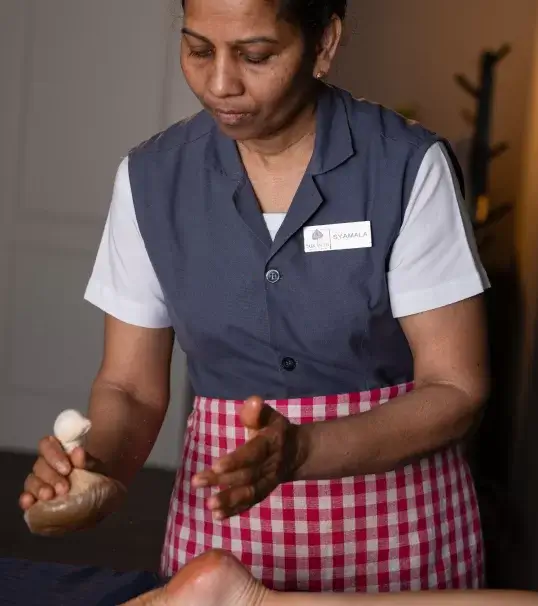
Ayurvedic treatment for allergy concentrate exclusively on treating the root cause of the allergy rather than addressing the symptoms and this unique approach of Ayurveda is the key to achieve lifelong benefits and relief from all disease.
The first line of treatment for allergy is to improve agni and boost the immune system.
For that, consuming a healthy diet and following a proper lifestyle is important. To improve, Agni eats warm, light, natural and easy to digest foods. Focus on organic foods and vegetables.
Try to avoid Cold and heavy foods and drink like processed foods, icy beverages etc. as they can slow down the agni.
Dinacharya
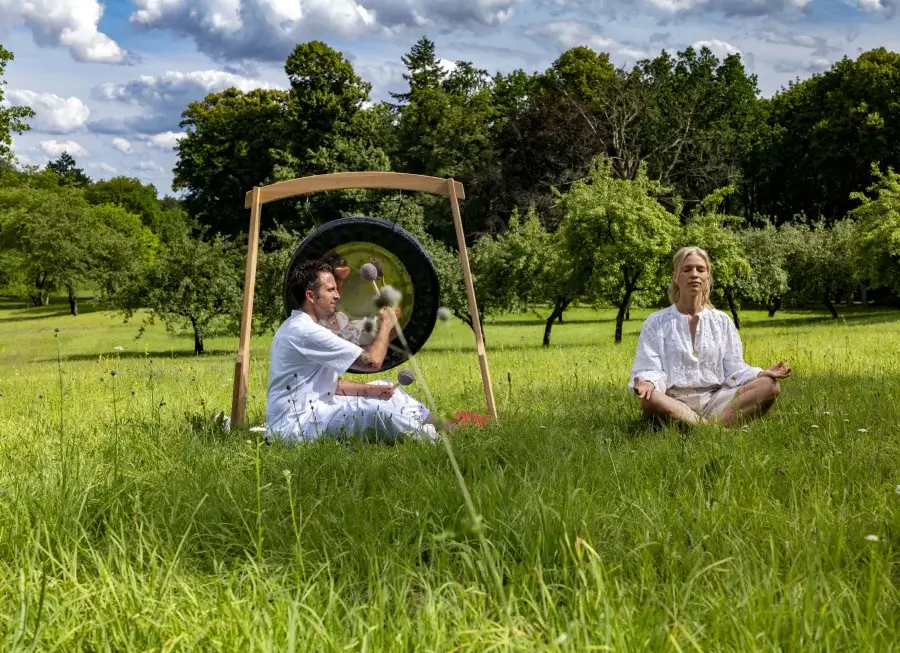
We all strive to live healthy by incorporating good habits in our everyday life. However, today it has become very challenging to maintain a work-life balance, as we devote ourselves mostly to work. It is important to realize that earning wealth without taking care of one’s health will be ultimately futile.
Ayurveda, the ancient system of medicine, emphasizes the significance of Dinacharya in our lives. ‘Dina’ means day and ‘charya’ means activity, translating to a daily regimen that promotes self-care through different daily activities. It is a simple yet effective solution to all health related issues and a key to promote harmony between body, mind and soul.
According to Dinacharya, one should wake up at Brahma muhurta, which is one and a half hours before sunrise. After washing your face and proper bowel evacuation, practices like Dhantadhavana (brushing teeth), Jihwa nirlekhana (tongue scraping), Nasya (instillation of medicated nasal drops), Gandusha or Kabalam(oil pulling in mouth), Abhyanga (oil massage), Vyayama (exercises) and Snana (Bath) forms the correct way to start a day in a healthy manner.

This Ayurveda daily routine helps you connect with nature and align your body with the rhythm of nature. It promotes a healthy lifestyle by improving your immunity and protecting you from diseases. Dinacharya also instills a certain discipline which will turn out to be helpful in other areas of life.
At Park Am See Nattika Ayurveda Hotel, we guide our guests to incorporate a healthy regimen tailored to meet their individual body needs. We embrace the essence of Ayurvedic philosophy in the form of Dinacharya, a daily routine that has proven to offer miraculous benefits. By following Dinacharya every day, guests can eliminate stress and worries, leading to the ultimate wealth and happiness, called ‘Health’.
Discover More

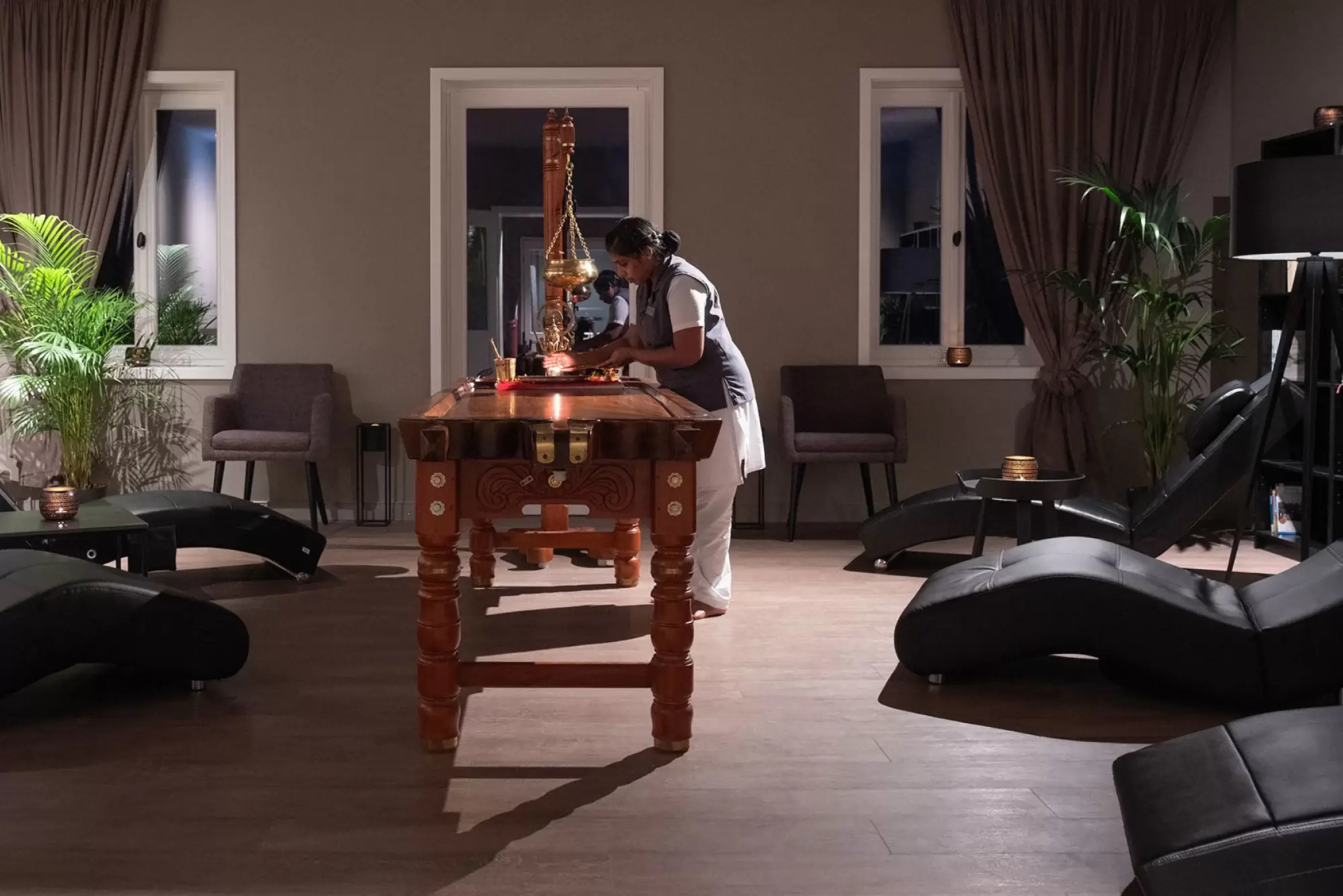
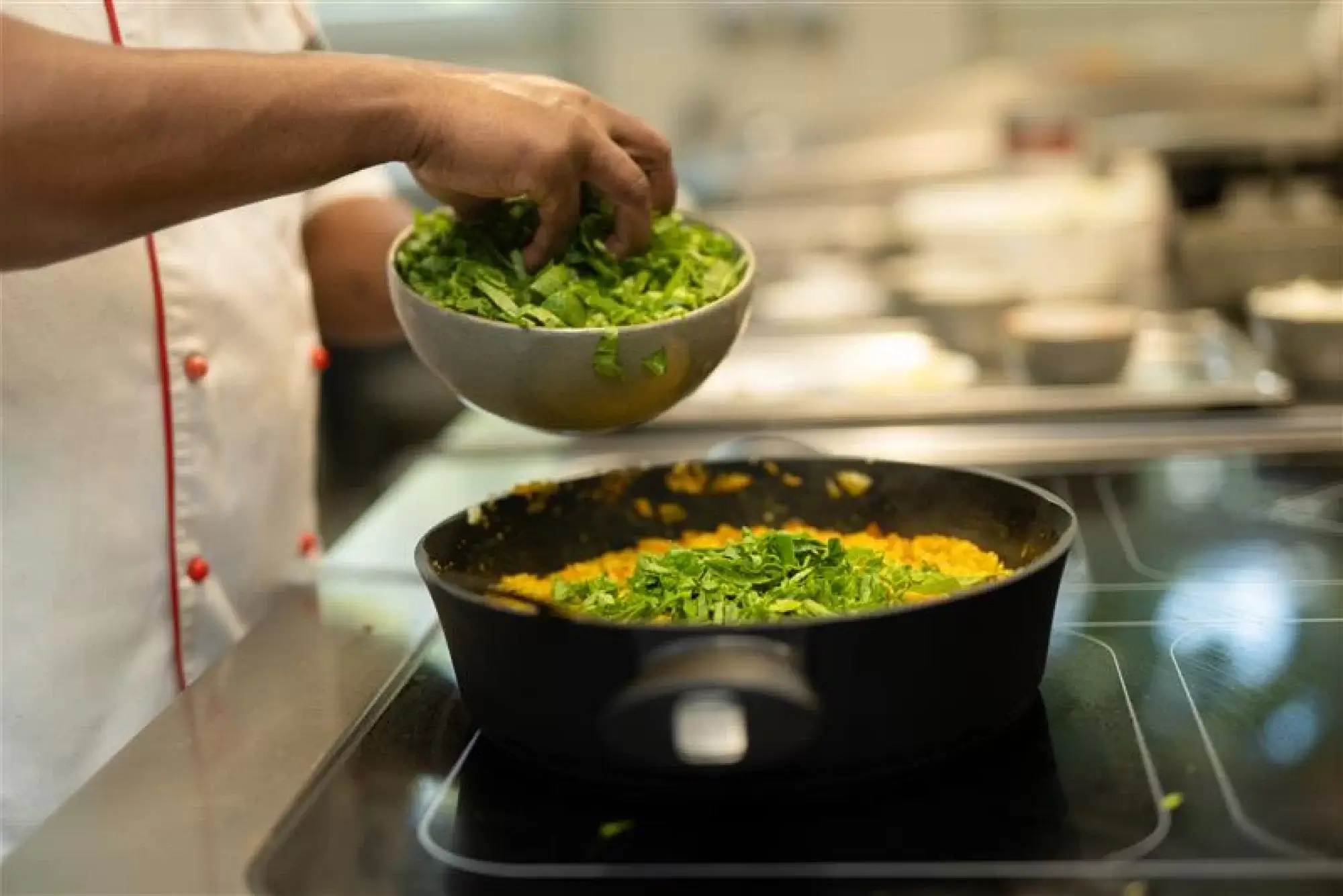
Understanding the Three Body Types in Ayurveda: Vata, Pitta, and Kapha Explained

A person interested in the science of Ayurveda may have heard of Vata, Pitta, and Kapha (TRIDOSHAS) that make up each person’s body constitution. Knowing how these ayurvedic doshas work together in your body can help you understand your mental, physical, and emotional health. There are different traits and habits that go with each ayurvedic doshas. Understanding these can help you learn more about yourself and how to work with nature’s cycles.
Things About the Vata Ayurvedic Dosha
Ayurveda says that the body’s movement and creativity are controlled by the vata dosha, which has traits of air and ether. When we say Vata may be your dominant dosha, it means you may be full of energy, always on the go, and interested in art.
When Vata is out of balance, on the other hand, you may feel anxious, antsy, or have trouble digesting food.

Focusing on activities that centre you, like yoga, meditation, and warm, nourishing foods, keep Vata in check.
Making routines a part of your day can also help keep Vata energy stable. To keep your Vata dosha in equilibrium, remember that balance is key. You can keep Vata in balance and improve your general health by giving yourself calming habits and practices.
Traits of the Pitta Ayurvedic Dosha
Pitta dosha is connected to fire and water, and it stands for traits like focus, intensity, and change. People who are mostly Pitta dosha tend to be of average height and weight, have a sharp mind, and have a good digestion. They usually have leadership skills, a strong drive, and a competing spirit.
Pitta types are known for making quick decisions, being confident, and being very driven to reach their goals. Pitta people are warm, friendly, and smart when they are in balance. Pitta can make you irritable, competitive, and swell up your body if there is too much of it.
Pitta dosha people can keep their balance by doing things like meditation, eating ayurvedic nutrition foods that cool you down, and relaxing.
Qualities of the Kapha Ayurvedic Dosha
The traits of Kapha dosha shows that it is linked to earth and water, representing traits like security, nurturing, and endurance. People who are predominantly Kapha dosha tend to be strong, have smooth skin, and be calm. People know them for being kind, patient, and having a strong defense system.
But when Kapha dosha is out of balance, it can make you feel tired, gain weight, and become attached. Getting regular exercise, eating foods that stimulate you, and sticking to a pattern can help you keep your balance.
Through the three body types of Ayurveda, the journey of self-discovery promises to be an interesting look into the core of whole health and balance.
We, at the Nattika Ayurveda, focus on each person’s Prakruthi (body constitution) and Vikruthi (imbalance) to create personalized treatment, medicine and dietary regimen inorder to maintain the healthy state.
Frequently Asked Questions
Ayurveda classifies individuals into seven body types:
- Vata: Associated with air and space, Vata type are energetic, creative, and quick-moving but may struggle with dryness or anxiety.
- Pitta: Linked to fire and water, Pitta types are strong-willed, focused, and prone to heat or irritability.
- Kapha: Representing earth and water, Kapha types are calm, steady, and nurturing but may face sluggishness or weight gain.
- Vata-Pitta: Showing features of Vata and Pitta
- Vata-Kapha: Having features of Vata and Kapha
- Pitta-Kapha: With features of Pitta and Kapha
- Vata-Pitta-Kapha: Having characteristics of all three doshas
Each person has a unique combination of these doshas, which guides their diet, lifestyle, and health practices in Ayurveda.
Your Ayurvedic body type is determined by your dominant dosha, Vata, Pitta, or Kapha. For example, Vata types often have a slim build, noticeable features like protruding bones, and a tendency to be constantly active with quick thinking. Identifying your body type involves observing your physical, physiological and psychological characteristics. It would be good to consult an Ayurvedic practitioner for a detailed assessment.
Diet plays a crucial role in maintaining balance of the doshas. Each dosha (Vata, Pitta, and Kapha) has specific qualities, and eating foods with opposite qualities helps balance them. For example, warm and grounding foods pacify Vata, cooling and soothing foods balance Pitta, and light and dry foods help reduce Kapha. A personalized Ayurvedic diet helps prevent imbalances and supports overall health based on the specific condition of each individual.
While online quizzes and self-assessments can give you a basic idea, a trained Ayurvedic practitioner can provide a more accurate diagnosis. They assess physical traits, mental tendencies, and health history to determine your prakriti (natural constitution) and vikruti (current imbalance), offering personalized guidance for lifestyle, diet, and treatments.
Remuneration Matters!

We often say working as a medical professional is a service to mankind. More than material benefits, Medical Professionals should expect the inner peace that they attain through serving the needy and suffering people who come to them. But at least a few may deviate from this motto. A properly educated medical professional is the one who is also inculcated with Value education! Ayurveda agrees with this opinion. The oldest reference textbook for Medical practitioners – Charak Samhita – advises the following:-
क्वचित् धर्म क्वचित् मैत्री क्वचित् अर्थ क्वचित् यश! कर्माभ्यासं क्वचितश्चेति चिकित्सा नास्ती निष्फला !!
Sometimes, Doctors may attain a sense of self satisfaction by treating someone. Sometimes, they may create new friendships. Sometimes, the return of treatments may be in the form of wealth. Sometimes, they gain lots of fame and popularity in society! Even if, they don’t get any of these, and if the treatment is not working well; it’s a chance for the Doctor to revise the medical literature and update his knowledge. All such minute experiences create a polished Medical professional!
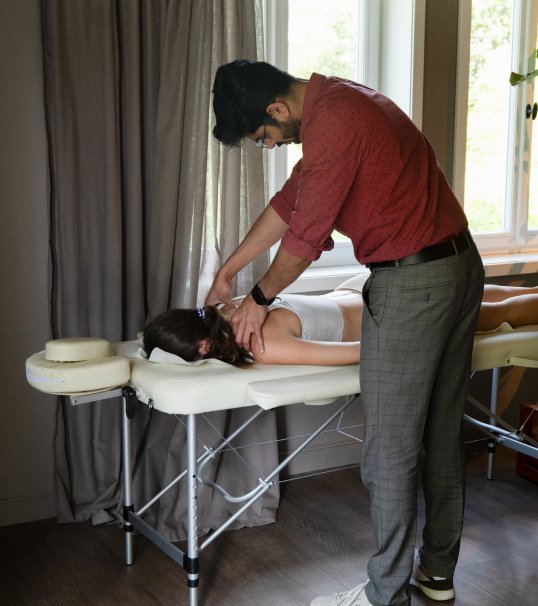
Always Being Your Priority
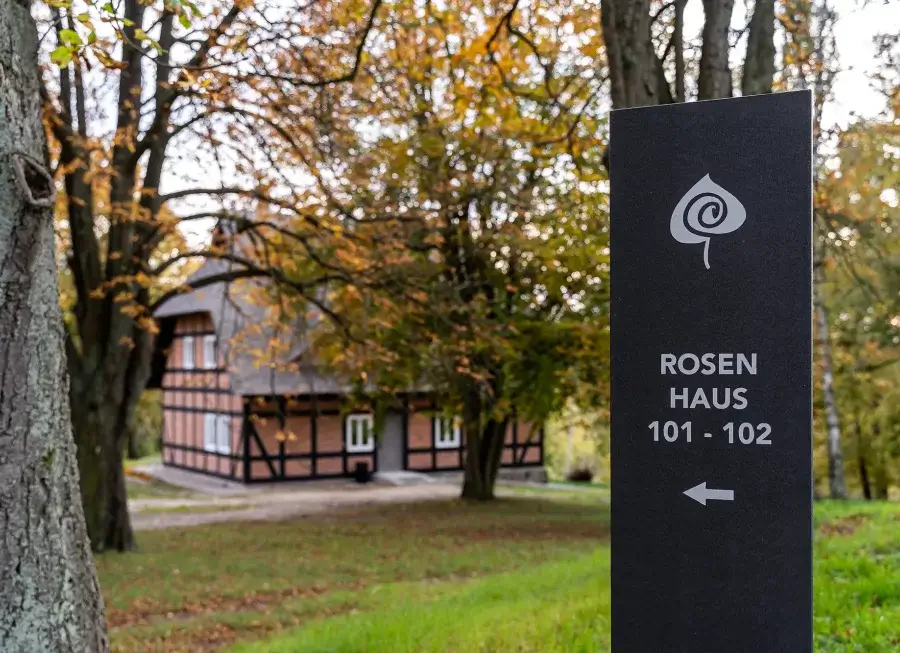
If you were ranked the “First” once and if you were unable to keep it, some could believe that it was some sort of luck guiding your ranking. Maintaining the rating will be the toughest chore for everyone who has occupied a post.
When ranking is in the thoughts of the public, it becomes even more crucial to have a non-compromising strategy regarding the quality of service. The Park Am See Team is constantly on the road to achieve excellence in visitor satisfaction. We really think that “your opinion about us” is the reason Nattika is becoming more and more busy daily. Indeed, for over ten years, every foreign healthcare visitor still first chooses us!
Apart from offering the actual ambiance required for an Ayurvedic treatment, we also ensure that our guests are achieving the objectives of their visit. For this reason, under the direction of our knowledgeable Team of Doctors, we organise several interesting events for our guests that enable them to become more attached and stay closer to an Ayurvedic way of life! Despite all the strict schedules, we also arrange sightseeing visits and other activities to experience the rich Indian legacy whilst you are here with us.

We can arrange for your convenience to have adjustments in your treatment time. With first-rate facilities needed for all types of Ayurvedic therapy, we have 17 State of the Art Treatment rooms.
Our unique treatment plan, which is even adaptable to certain demands, helps us to be more special. Ayurvedic treatment is not about disturbing your body with any pre-prepared treatment kits. It should work just as well for your mind as for your body.
We definitely have mental relaxation available to you. We have trained a group of outstanding therapists to meet your health needs based on your body type and condition; hence, we are able to offer the finest suitable therapist for you.
Every year our occupancy gets heavier. Your ongoing support and the vitality we gained from you enabled us to distribute over many corners of the planet. Still, we are developing new initiatives that exactly match the Park Am See quality of treatment!
Working with Nattika for more than ten years gave me a chance to meet people looking for health from all around the globe. Self satisfaction is, in every work, the most crucial, in my opinion. And we have that sense of self-satisfaction; our team is most likely the greatest in this field. Even for two or three future years, we can see this when our guests reserve for our service in advance! We swear to be your primary concern going forward as well.
Namaste in Park Am See (han-mas-tay)
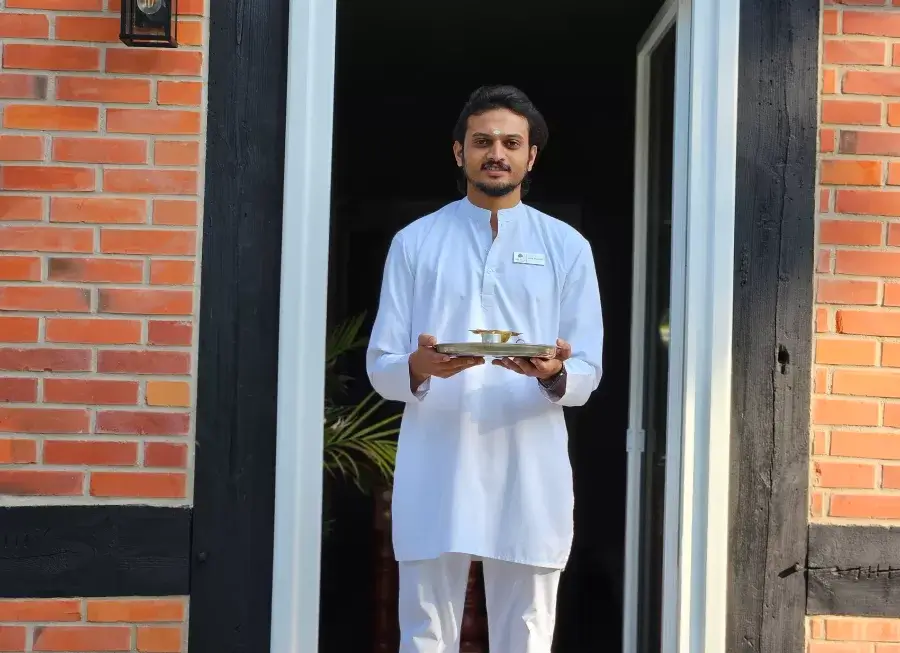
“Namaste” is very important in Park Am See since it reflects the deep-rooted cultural values and customs that define the hospitality and well-being environment.
Originating in Sanskrit, the word “namaste” means “bowing down to you.” It stands for the theory that the deity inside one is bending down to the deity inside others. Every soul can experience love, happiness, inner calm, and inner light as we do the Anjali or Pranava mudra with our hands in front of our hearts.
Often repeating these mudras in yoga, we symbolise the harmony and balance between the right and left energy—known as Ida and Pingala energy—united in our centre.
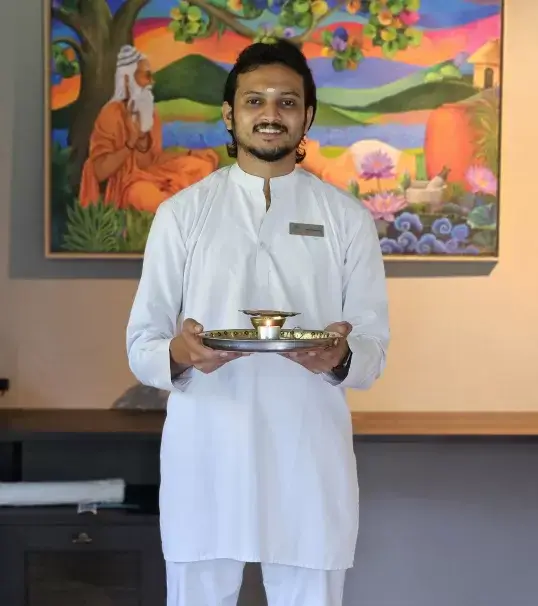
Namaste seeks to quiet the body and mind by means of equilibrium. Linked to various areas of the brain, the pressure points in the fingers used in the gesture help balance and focus the mind, therefore fostering peace and well-being.
Our Anahata chakra is awakened when we hold hands in front of the heart. Serving as our centre of love for others and ourselves, compassion, empathy, and forgiveness, this is the fourth chakra. It is the source of something really significant beyond words.
Visitors of the Park Am See ayurveda hotel Germany find Namaste everywhere. From the airport chauffeur to the welcoming hosts at reception and the whole staff, everyone welcomes the visitors with Namaste accompanied by a soft smile and a bowed head. “Namaste” is a sign of great respect and regard for other people, not only a hello. With “Namaste,”Park Am See Nattika Ayurveda Germany honours the inherent divinity inside every person regardless of background or position.
Guests of Park Am See Germany may encounter the wind, trees, waves, flowers, and butterflies reciting the mantra Namaste, so highlighting how strongly Namaste is ingrained in Nattika. Get further information by contacting Park Am See Nattika Ayurveda Germany.
The Magic Behind Our Cuisine

As a chef i’m very proud of the professionals who work hard in our kitchen to make it a place where innovation, authenticity, and the best food in the world happen. We have a great mix of experienced professionals and eager newcomers on our team. Each person brings their own unique skills and energy to the table. Everybody contributes something different to the table—unique abilities and energy. Many of our staff members have been with us for over 13 years; their expertise and commitment enable us to continue performing as expected. Their dedication over an extended period of time speaks much about the level of support and fulfilment our hotel offers.
We think that the best way to keep our high standards is to keep learning. That’s why we train our new employees very carefully, making sure they understand our whole theory behind cooking. Every new team member goes through a thorough training program that covers everything from how to properly clean themselves to how to cook in our own special way. This hard work makes sure that our guests only get the best.
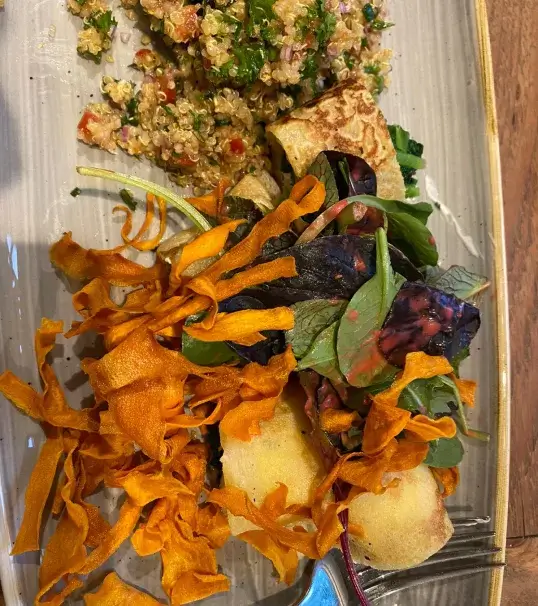
We are always committed to working together, and that’s what makes us successful. Our ANADI – Ayurveda Restaurant works best when everyone works together, and each person is essential to making the delicious food that our guests love. What makes us different is that our team is ready to take on any task, whether it’s a special dietary request or an event that needs to be planned at the last minute. We also hold regular meetings with the team once a week and once a month to make sure our standards stay high.
At Park Am See Ayurveda Germany, our kitchen is more than just a place to make food. It’s a symphony of love, precision, and beauty. We all work hard and are dedicated to being cooking artists, and every dish we make shows it.
Finally, our culinary team is the lifeblood of the resort. Their passion to excellence, hard work, and dedication are what make our dining experiences so great.
What Is Ayurveda? Treatments, Massage, Diet, and More

Ayurveda, a holistic healing system rooted in India, has been practiced for thousands of years. This comprehensive guide explores what Ayurveda is, its treatments, massages, diet, and more, offering insights into how this ancient science can benefit modern living.
What is Ayurveda?
This ancient medical science called Ayurveda, the name meaning “the science of life,” focuses on using natural ways to stay healthy. A combination of several attributes help keep the body’s energies in order, like herbal treatments, the right diet, and changes to how you live your life.
Ayurveda says that the key to health is to keep your mind, body, and spirit in balance. This balance is achieved by knowing the dosha, which is the unique make-up of each person. Bio-energetic forces called Vata, Pitta, and Kapha govern how the body and mind work.
Ayurvedic treatments
Ayurvedic drugs are based on the dosha (personality type) and health of the person at the moment. These are some popular ways:
- Panchakarma is a way to clean out your body that includes five different methods.
- The second way is herbal remedies, which use natural herbs and medicines made from plants to treat different diseases and make health better in general.
- And the third is Meditation and yoga which can help you become more flexible, clear your mind, and keep your feelings in check.
Ayurvedic massage
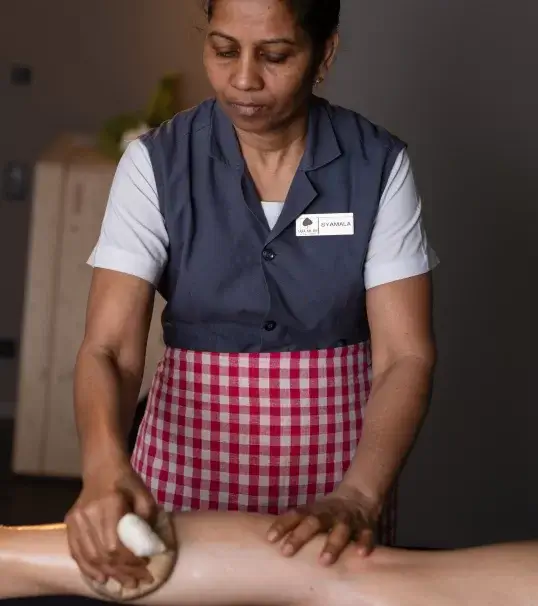
In the Ayurvedic massage called Abhyanga, warm herbal medicinal oils are used for massages to clear the body of toxins, boost blood flow, and calm the mind. Massages like these are not only relaxing, but they also help your body heal and are good for your health in general. Because everyone is different, different oils are chosen for each person based on their dosha.
Ayurvedic food plan
An important part of staying healthy and not getting sick is following an Ayurvedic diet. The diet is based on a person’s dosha and includes eating fresh, seasonal food and warm cooked food that are simple for the body to break down. It’s important to pay attention to your food and the balance of tastes like sweet,sour,salty,spicy,bitter and astringent. This way of eating keeps the digestive system healthy and makes sure the body gets a lot of different nutrients.
Ayurveda looks at health and wellness from many sides. A healthy diet and other treatments are used to help the body heal itself naturally. Ayurveda can help you live a happy and healthy life if you know what it is and follow its rules. Ayurveda is not only a way to treat illnesses, but also a way of life that keeps you from getting sick and makes your health better in general.
The Golden Rules of Ayurvedic Nutrition: A Beginner’s Guide to Balanced Living

Ayurveda, the traditional Indian system of medicine that is deeply rooted in nature, focuses on balancing the mind, body and spirit. Proper diet, daily regimen and ayurvedic nutrition methods are recommended for a healthy life. Sleep, diet—Ayurvedic diet, ayurvedic nutrition—and proper regimens are considered as the three main pillars in maintaining health. Of these, wholesome diet plays a major role in supporting health and also in maintaining the efficacy of medicines and activities.
How to Understand Ayurvedic Food
Ayurvedic food is more than what you eat. It’s also about how you eat. The Golden rules of Ayurvedic nutrition emphasize that in addition to a person’s body type (dosha), the time of the day and type of food are also taken into account. In the Ayurveda classics it is explained that we need to consider factors such as the nature of the food (Swabava), the combinations (Samyoga), the processing (Samskara), the quantity (Matra), the habitat (Desha), the time period (Kala), the consumer (Upayoktha) and the way of consumption (Upayoga samstha).

Important Rules in Ayurvedic nutrition way of eating.
- Take warm food :As a general rule, it is always good to take warm fresh food. Warm food is usually delicious and also helps in proper digestion.
- Eat the right amount of food:The right amount of food is very important for proper digestion. Ayurveda says that the digestive fire (Agni) is best in the middle of the day. Therefore, lunch is the best time to eat your largest meal according to Ayurvedic nutrition.
- Take food only when previous meal is digested:Frequent eating and eating before the proper digestion of the previous meals leads to the manifestation of Ama, the metabolic toxins formation in the body which in turn leads to the manifestation of various health conditions.
- Take foods that do not have contradictory potencies:Consider foods that are compatible with ayurvedic nutrition as part of an Ayurvedic diet. Certain combinations can have negative effects on the body. Pay attention to how you feel after eating different things. How your body reacts to food can help you make changes in your diet that are better for your health.
- The right place with all the accessories:Treat eating as a ritual and eat in a mindful state. This has many positive effects on digestion and metabolism.
- Don’t eat too quickly or too slowly:Don’t get distracted by things like the TV or phone. Take your time with each bite and really chew your food.
- Mix all six tastes together:Ayurveda says there are six tastes: sour, bitter, pungent, astringent and sweet. Each taste helps to keep the doshas in balance. Including all six tastes in your meals will keep your Ayurvedic diet balanced. It is recommended that you start your meal with sweet foods, eat salty or sour foods in the middle and end your meal with spicy foods. A healthy life can be attained by following the golden rules of Ayurvedic nutrition, which are at the heart of this practice.
Frequently Asked Questions
Ayurveda recommends eating mindfully and in harmony with your body. Key rules include:
- Eat at regular times and only when hungry
- Choose warm, cooked, fresh, and seasonal foods
- Avoid overeating and improper food combinations
- Sip warm water with meals
- Eat in a calm, distraction-free environment
- Chew thoroughly and enjoy your food
These habits support better digestion and overall well-being.
Ayurveda believes that every natural food has healing potential. It doesn’t label foods as good or bad but emphasizes balanced combinations that support digestion and nutrient absorption. The focus is on eating in harmony with your body type (dosha), season, and digestive capacity for optimal health.
Ayurveda recommends eating in sync with the body’s natural rhythms:
- Breakfast: During Kapha time around 7-9 am, to support steady energy.
- Lunch: The main meal, around 12–1 pm, when digestive fire (Agni) is strongest.
- Dinner: A light meal before 7 pm or at least 2–3 hours before sleep, to aid digestion and restful sleep.
Eating at the right time enhances digestion & absorption.
Ayurveda recommends eating three balanced meals a day, a good breakfast, a hearty lunch, and a light dinner, to match the natural rhythm of digestion. Skipping meals or fasting is discouraged as it disrupts digestion. Start your day with a cup of warm water rather than a cup of coffee or tea to stimulate digestion and cleanse the system. Avoid caffeinated drinks, as they can disturb the body’s balance.
Ayurveda views food as both nourishment and medicine. It emphasizes not just the quality of food, but also how it’s selected, prepared, cooked, and eaten. Unlike the Western focus on calories and nutrients, Ayurveda focuses on digestion, balance, and individual constitution (dosha) for maintaining health and well-being.
Weiteres Entdecken
Nattika Essence – Aromatherapy

Nattika Life is a leading Ayurveda Wellness Group located in the heart of Kerala, a land famous for its lush landscapes and profound Ayurvedic traditions. The group is committed to providing sanctuaries of healing along the serene seaside where the tranquility of nature enhances the journey towards wellness. Their mission is to provide a transformative experience that aligns the body, mind, and spirit with the ancient wisdom of Ayurveda, rather than just temporary relief.
Our Philosophy
At Nattika Life, we strongly believe in the power of Ayurveda to heal and rejuvenate. Our approach is based on centuries-old traditions, but we have updated it with modern understanding and practices to offer an authentic yet accessible wellness experience. We are committed to self-sustainability, ensuring that every aspect of your Ayurveda experience is pure and beneficial. Our commitment led to the establishment of the Nattika Life Herbal & Oil Company in 2017, which further deepened our dedication to providing holistic, natural solutions for wellness.
Nattika Essence Benefits
Nattika Essence offers a range of blended essential oils that are crafted with utmost care. Our oils are a combination of the purest essences and are designed to create a soothing, energizing, and balancing effect. They are not just fragrances but therapeutic aids that help enhance mental clarity, physical vitality, and emotional balance.
Beyond Aromatherapy: Enriching Lives Through Wellness
More than mere fragrances, our essential oils embody the transformative power of wellness. Whether it’s promoting relaxation, invigorating the senses, or supporting overall well-being, each drop holds the potential to uplift and inspire. At aromatherapy oil Nattika Life, we are passionate about sharing the benefits of aromatherapy and empowering individuals to embrace holistic health.
In conclusion, the manufacturing of essential oils at Nattika Life is a labor of love – a harmonious blend of nature’s bounty, artisanal craftsmanship, and unwavering commitment to quality. With each bottle, we invite you to experience the beauty and vitality of the natural world, one aromatic journey at a time.
Nattika life products
Nattika Essence essential oilsThe art of massage is a critical element of Ayurvedic therapy. Our blended essential massage oils are designed to complement this age-old technique, providing deeper relaxation, improved circulation, and nourishment to the skin.
Prabah – Blended Essential Oil Candle
Prabah, our blended essential oil candle, combines the therapeutic benefits of essential oils with the ambient warmth of candlelight. It creates an atmosphere of calm and purity, ideal for meditation, relaxation, and enhancing the home’s energy.
Nattika Life is more than just a manufacturing unit. It’s a journey driven by passion to create the highest quality essential oils made by hand. Every drop of oil has a story to tell. Join us and explore the fascinating world of Nattika Life