german flag britsh flag

JETZT ANFRAGEN

Yoga for Inner Balance: Finding Stillness in a Busy World

In our current world, we are nearly always “on.” We deal with long hours sitting at our desks, constantly exposed to the blue light of our screens, and silently affected by the “do more, be more” culture we live in. Our bodies may be able to say “goodbye” to the day, but our minds keep on working, racing toward the next goal before we have even completed the one in front of us.

Does this sound like you? If you feel like you are always in a race but never reaching the finish line, you are in good company. We have become so focused on showing ourselves to the outside world that we have almost forgotten the quiet intelligence inside us. Achieving true yoga for inner balance starts with recognizing this exhaustion and choosing to pause.

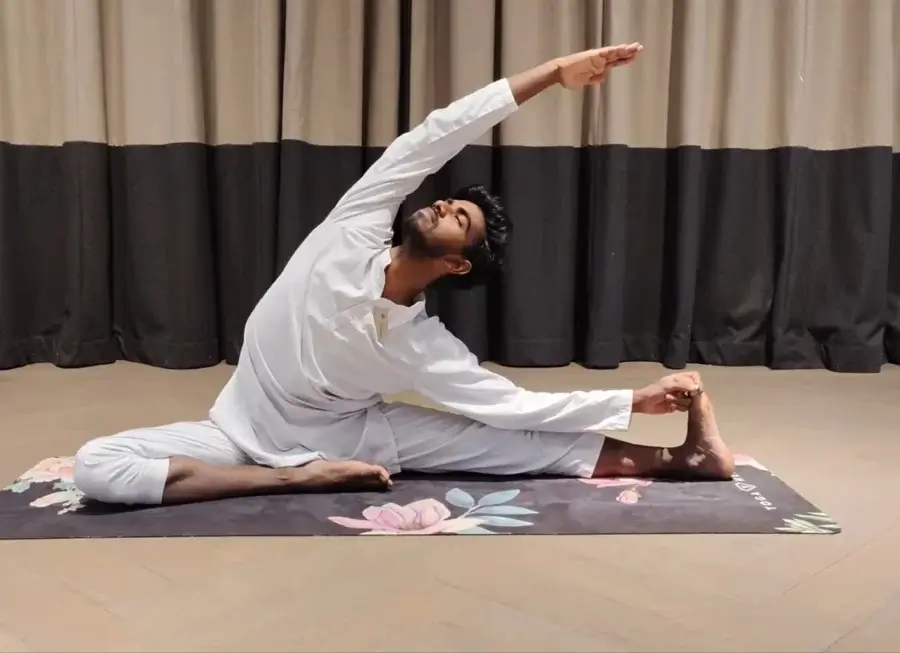
Mr. Rubathsingh, Yoga Specialist at Retreat Park am See Nattika Ayurveda, suggests that this is precisely where the real yoga journey begins.

More Than Just a Stretch

Many of us think of yoga as a series of complex poses or extreme physical flexibility. While movement is a vital part of the process, the heart of the practice is actually a lifestyle. It’s about how we meet the world and how we cultivate yoga for inner balance in our emotional and mental lives.
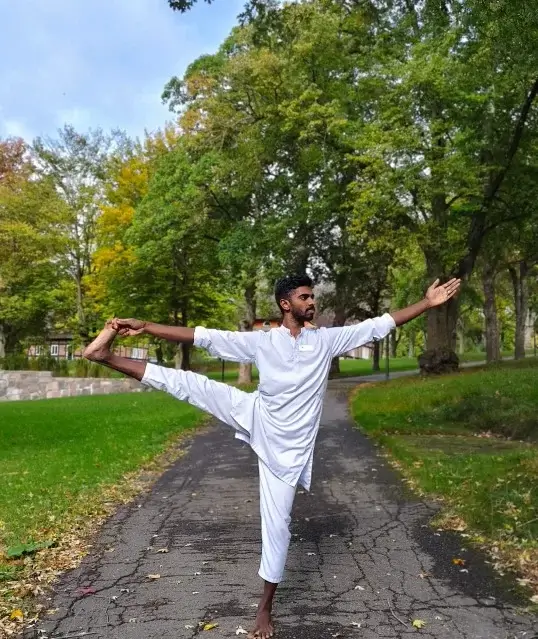
Yoga for Inner Balance

Mr. Rubathsingh points out the two basic ideas from the ancient Yoga Sutras, which can completely transform our attitudes toward daily stress:

  • Abhyasa (The Art of Showing Up): This refers to the discipline of being present consistently. Even if it seems hard, it is the decision to be there for yourself every day.
  • Vairagya (The Art of Letting Go): This is about ceasing to be attached to the result. Through sincere work and abandoning the fear of “what will happen next,” we experience an uncommon kind of liberation.

A 5-Minute Practice for Instant Calm

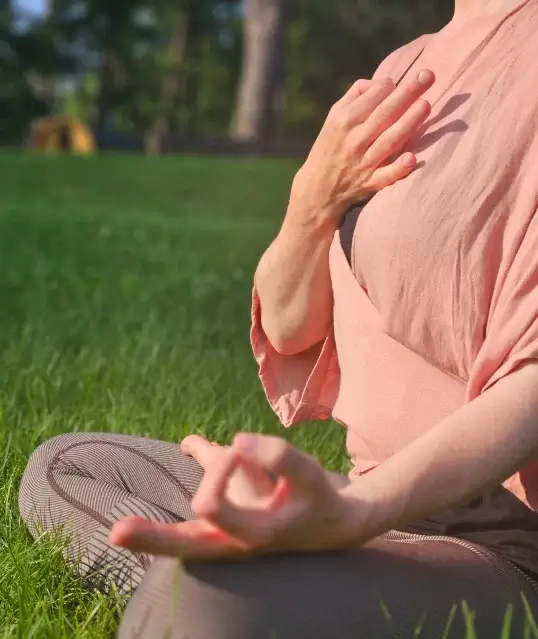
You don’t need an hour-long class to start experiencing yoga for inner balance. One of the most effective tools for re-centering the mind is Nadi Shodhana, or Alternate Nostril Breathing. This practice doesn’t just help you breathe better; it literally harmonizes your nervous system.

Here is how you can try it right now:

1. Find Your Seat: Sit comfortably with your spine tall and straight.

2. The Hand Position: Rest your left hand on your knee. Use your right hand to gently close your nostrils, using your thumb for the right side and your ring finger for the left.

3. The Flow: * Close the right nostril, inhale deeply through the left.

  • Close the left, exhale through the right.
  • Inhale back through the right.
  • Close the right, exhale through the left.

4. Repeat: Continue this cycle for about five minutes.

This simple rhythm acts as a “reset button” for your brain, clearing mental fog and bringing a sense of quiet energy to your day.

The Promise of Yoga

Integrating yoga for inner balance into your life doesn’t promise a perfect, stress-free existence. It doesn’t make our deadlines disappear or our responsibilities smaller. Instead, it makes us stronger.

It cultivates a “mindful presence”, a sense of poise that allows us to face the ups and downs of life with clarity rather than chaos. It isn’t about changing the world around you; it’s about transforming the person who experiences it. By making yoga for inner balance a daily priority, you are simply remembering truly who you are.

Conclusion: Your Journey to Stillness

The final destination of yoga for inner balance is actually not the case to run away from your life but rather, to be more aware of it. No matter if you are dealing with a very demanding job or just the quiet expectations of home life, these old practices still serve a purpose and become a way back to your inner self. By engaging yourself into small but daily acts of awareness, such as doing Nadi Shodhana for a few rounds or taking just a second to think about Abhyasa, you slowly build a stronghold against the external stressors that no one can break.

 Be aware that perfection is not the prerequisite to take the first step. Just be there! Rubathsingh is a good example of the fact that yoga does not mean turning into something else but rather uncovering the tranquility that was always there in you.

Frequently Asked Questions

How long does it take to feel the effects of Yoga for Inner Balance?

While a full lifestyle change takes time, practices like Nadi Shodhana (Alternate Nostril Breathing) can provide immediate relief. Most people feel a shift in their nervous system, moving from “fight or flight” to a state of calm, within just 3 to 5 minutes of focused breathing.

If one nostril is completely blocked due to a cold or allergies, it is best to avoid the physical practice of closing the nostrils. Instead, you can practice “mental” Nadi Shodhana, where you visualize the breath flowing in and out of alternate sides. This still helps cultivate yoga for inner balance through focused visualization.

Not at all. As Mr. Rubathsingh explains, yoga is a lifestyle, not just a physical exercise. While asanas (poses) help release muscle tension, the core of the practice is about awareness and breath. If you can breathe and observe your thoughts, you can practice yoga.

Early morning is often considered the “golden hour” for yoga because the world is quiet and the mind is fresh. However, practicing in the evening can be a wonderful way to “unplug” from screen time and transition into a restful sleep. The most important thing is consistency (Abhyasa).

Abhyasa encourages you to stay consistent with your self-care routines regardless of how busy you are. Vairagya helps you work with full focus and sincerity without being paralyzed by the “silent pressure” of results. Together, they create a mental framework that prevents burnout.


How Does Ayurveda Help in the Natural Treatment of Diabetes?

Diabetes is referred to in Ayurveda as Prameha or Madhumeha and the treatment is considered to be holistic, not only concerning blood sugar levels. The main emphasis is on rectifying the situation and improving the body’s overall functioning. The therapy often combines dietary modifications, herbal medicines, detoxification treatments, and some alterations in the daily life practices.

How Ayurveda Looks at Diabetes

According to Ayurveda, Diabetes is mainly related to Kapha imbalance, often tied to long-term food habits and lifestyle choices, at the same time can be due to genetic reasons as well. The idea isn’t just control, but correction. Balance the doshas, improve digestion and metabolism, and clear out built-up toxins that slow the system down.

Main Treatment Approaches

1. Changes in Food (Ahara): Diet is an important factor in this case. Light, fibrous and low glycemic foods with a little bitter taste are the main focus. Refined sugar and heavily processed food are usually among the first to be eliminated. Barley, millets, bitter gourd, fenugreek, amla, and simple pulses like green gram are frequently recommended.

2. Herbal Support (Aushadha): Herbs are used to maintain blood sugar levels and make the pancreas work more efficiently. The names of a few herbs like bitter gourd, fenugreek, amla, turmeric, and shilajit often come up. Each of these herbs have effects in reducing the blood sugar levels and correcting the metabolism

Treatment-of-Diabetes

3. Detoxification Therapies (Panchakarma): Panchakarma treatments are used to purify and revitalize metabolism by eliminating the accumulated toxins. This helps to cleanse the system and improve the absorption level in body

4. Daily Practices and Lifestyle (Vihara): People usually underestimate the importance of daily routine. Walking, yoga, and breathing exercises can be simple but consistent methods to eventually increase insulin sensitivity. Stress control is also important. Meditation, proper rest, and good sleep are not luxuries here; they are part of the treatment.

The combination of all these treatments, when done under proper supervision, gives Ayurveda a wide range of complementary approaches to manage diabetes and improve the overall quality of life in daily living. It is not a quick solution, but it is meant to last.

Why Choose Park Am See Nattika Ayurveda for Diabetes Care?

Park Am See is different because natural, not forced, healing is the characteristic of the place. The tranquil, lakeside atmosphere supports the healing process. The stress is significantly reduced by being surrounded by nature and removed from the everyday noise, which is a big factor in diabetes management. The treatments are based on the authentic Ayurvedic teachings rather than wellness trends. The therapies, food, and daily rituals are more individualized to each person’s constitution than to a fixed program. The care is so personalized that it considers your Prakriti, current imbalances and overall health, while the experienced doctors and therapists work in a structured manner. The meals are simple and nutritious supporting blood sugar stability with no restriction feeling and a lot of guests report craving reduction with time. Most importantly, the emphasis is on developing lasting habits and knowledge about your body, not on providing quick fixes or making unrealistic promises.

Conclusion

Managing diabetes through Ayurveda is less about fighting the body and more about listening to it. At Park Am See Nattika Ayurveda, the approach stays grounded and practical. Through proper food, herbs, therapies, and daily rhythm, the focus is on steady improvement and better quality of life. With the right guidance and consistency, this holistic path can become a strong support alongside conventional diabetes care.

Frequently Asked Quentions

Can Ayurveda cure diabetes completely?

Ayurveda does not claim an instant or guaranteed cure. It aims to manage diabetes by improving metabolism, balancing doshas, and supporting overall health. Results depend on individual condition, consistency, and lifestyle.

Yes, when done correctly. Ayurvedic treatment should always be supervised by a qualified practitioner and coordinated with your regular doctor. Medications should never be stopped without medical advice.

Typically, programs range from 14 to 21 days, depending on your condition and treatment plan. Longer stays may be recommended for deeper Panchakarma therapies and lifestyle correction.

The diet is structured but not extreme. Meals are designed to support blood sugar balance while still being satisfying and nourishing.

Not everyone requires Panchakarma. The doctor will decide based on one’s imbalance, digestion, and overall strength. Sometimes diet and lifestyle changes alone are enough initially.

The results of any treatment that one may undergo will be obtained only if the lifestyle changes and dietary modifications are consistently followed. Guests are guided on food habits, daily routines, and simple practices that can be continued at home, which in turn give faster and healthy results

Why Is Ayurvedic Food Considered Healing for Both Body and Mind?

Ayurvedic Food is not just a cuisine; it is a healing method that simultaneously nourishes the body and the mind. When retreaters come to Retreat Park Am See Nattika Ayurveda, they are first surprised that a plain, seasonal meal is able to purify their digestive system and make their minds clear in a few days. What looks like comfort food is in fact a precise protocol that supports the healing of body, mind and soul.

The first principles that make Ayurvedic Food healing

Ayurveda describes food as the medicine and digestion as the prime therapy. Three pillars work together to create its whole body and mind effect.

  • Agni – the digestive fire. When agni is steady, nutrients are absorbed properly, waste is eliminated, and the mind feels light and clear. When agni is weak or erratic, the body creates ama (toxins), a metabolic residue that can leave you heavy, inflamed, or anxious.
  • Maintaining harmony between the three Doshas. Vata, Pitta, and Kapha respond differently to tastes, textures, and cooking methods. Matching your meals to your dosha pattern reduces internal imbalances, which often shows up as bloating, irritability, or sluggishness of the metabolism.
  • Sattva, the quality of clarity and calm. Fresh, plant based meals prepared with mindful attention are said to increase sattva, which supports emotional equilibrium and focus.
Ayurvedic-food-healing

A practical way Ayurveda operationalizes these ideas is through the six tastes. Each taste carries physiological and mental effects that can be used therapeutically.

Taste Common Foods Tends to Support Use with Care If
Sweet Grains, milk, root vegetables, dates, dry fruits Grounding, tissue building, calmness, strength Kapha is heavy or metabolism is sluggish
Sour Yogurt, citrus fruits, fermented foods Appetite stimulation, salivation, focus Pitta is high with excess heat or inflammation
Salty Sea salt, sea vegetables Hydration, mineral balance Edema (water retention) or high blood pressure
Bitter Leafy greens, turmeric, fenugreek Lightness, detox support, clarity Vata is very dry or depleted
Pungent Ginger, black pepper, chilies Circulation, clearing, alertness Pitta is overheated or irritable
Astringent Legumes, pomegranate, green tea Toning, absorption, mental composure Vata is constipated or overly tight

Ayurvedic cooks combine all six tastes across the day, then adjust the proportions for your needs and for the season. This is one reason a plate can feel both satisfying and energizing without post meal fatigue.

The Golden Rules of Ayurvedic Nutrition

The following time tested guidelines are the backbone of the cuisine at an Ayurveda Treatment center and they travel well to any home kitchen.

  • Favor freshly cooked, seasonal, mostly plant based meals with moderate protein and healthy fats.
  • Eat at consistent times, with the main meal at midday when possible.
  • Sit to eat, chew thoroughly, and avoid screens to support mindful, relaxed digestion.
  • Use gentle spices to kindle agni, for example ginger, cumin, coriander, and black pepper.
  • Avoid ice cold drinks and excess raw foods if digestion is weak, choose warm or room temperature water and lightly cooked dishes.
  • Leave a comfortable gap between meals, and stop at the first sign of satiety.
  • Adjust choices by season, for example more cooling foods in hot weather and more warming, unctuous foods in cold weather.
  • Keep indulgences occasional and intentional, then return to rhythm at the next meal.

Small changes applied daily beat big changes you cannot keep. In our experience, two or three of these rules practiced consistently outperform a perfect plan that rarely happens.

Nutrition Tips For All Doshas

If you know your constitutional pattern, personalize your plate. If you do not, start with the balanced tips at the end of this section.

Vata nourishment

  • Kitchari, stews, and root vegetables are examples of warm, moist, and grounding foods.
  • Use healthy oils in small amounts, such as ghee or sesame oil.
  • Gradually limit excess caffeine and raw salads that may contribute to dryness and gas.

Pitta moderation

  • Cooling foods like cucumbers, leafy greens, sweet fruits, and coconut.
  • Use moderate spices, with coriander, fennel, and cardamom gaining preference over chilies.
  • Avoid the intake of alcohol, and extremely sour, fermented or fried food that increases the heat.

Kapha diet

  • Light, warming meals with lots of bitter and spicy tastes; for example, sautéed greens with ginger and black pepper.
  • Minimize dairy and heavy sweets, and prefer legumes and steamed vegetables.
  • Use stimulating spices and set an earlier, lighter dinner as your goal.

Balanced for those unsure

  • Three-part plate: one part whole grains, one part legumes, and two parts vegetables.
  • Incorporate mild spices in every meal and maintain portion sizes just enough to feel satisfied.

Getting started at home in one week

  • Pick two Golden Rules and practice them daily. For example, eat your main meal at lunch and avoid ice cold drinks.
  • Include a combination of shallot, garlic and lemon/lime juice while cooking food. This enhances digestion and also helps to cut out bad fats.
  • Build one go to template per meal time. This reduces decision fatigue and supports consistency.
  • Observe your sleep and mood. Most people notice steadier afternoons and calmer evenings when rhythm and warmth return to the kitchen.

If you want a structured reset, a short stay focused on Ayurvedic Food can remove friction and give you a model to follow when you return home.

Frequently Asked Questions

Is Ayurvedic Food vegetarian?

Many Ayurvedic menus are vegetarian because plant based meals are better absorbed in the body while undergoing Ayurvedic therapy, but you can include animal products when clinically indicated and culturally appropriate. Incorporate the intake of animal products depending on your physical activities for its proper utilisation.

Yes. The principles are broad. A practitioner will tailor grains, legumes, and fats so you can maintain balance within your dietary boundaries.

Some people notice changes within a few days, less bloating, better sleep, calmer focus, proper bowel movements. Deeper shifts depend on your starting point and consistency.

It helps, but you can begin with having meals that help to normalise the doshas that are in imbalance due to health conditions. An Ayurvedic consultation on diet refines the plan and guides you into a healthy dietary life.

During an active Ayurvedic program these are usually minimized so as to detox the body from caffeine and also to improve the efficacy of the treatment procedures. Outside of programs, moderation and timing are important. Notice how your sleep, mood, and digestion respond and adjust.

Ayurveda is a traditional system with growing areas of overlap with nutrition science, for example microbiome diversity, anti-inflammatory culinary spices, and circadian eating. See overviews from NCCIH on Ayurveda and turmeric, and the AHA statement on meal timing. Evidence varies by topic. Personalization remains key.

Are you ready to experience Ayurvedic nutrition in a serene natural setting, guided by experienced doctors and therapists? Learn more about the programs at Retreat Park Am See Nattika Ayurveda and plan a stay that supports the healing of body, mind, and soul. Whether you visit for deep relaxation, a focused Panchakarma treatment, or simply to learn and truly understand the golden rules of Ayurvedic nutrition, our team will help you integrate these principles into your everyday life, both during your stay and long after you return home.

Ojas in Ayurveda: What Makes It the Source of Life and Vital Energy?

When guests arrive at our Retreat Park Am See Nattika Ayurveda, they sooner or later encounter a word that sounds like a quiet promise: Ojas.

This subtle, almost intangible essence is considered in Ayurveda to be the very heart of vitality. It is a refined life force that nourishes our inner radiance, strength, stability, and emotional balance. Ojas is the essence that arises when body, mind, and lifestyle work in harmony.

Ayurveda describes Ojas as the most precious nectar created through everything we digest—physically and mentally. When Ojas is abundant, we feel grounded, clear, peaceful, and naturally energized. When it is depleted, fatigue, inner restlessness, and reduced resilience begin to appear. This is precisely where our Ayurvedic guidance begins. We support you in rebuilding and protecting this inner source of strength.

The Essence Behind Ojas

In classical Ayurvedic texts, Ojas is described as the purest and most refined essence formed only after nourishment has passed through the seven dhatus, or bodily tissues: Rasa, Rakta, Mamsa, Meda, Asthi, Majja, and Shukra/Artava.

Only when all tissues are fully nourished and strengthened does Ojas emerge—a warm, golden substance regarded as the foundation of vitality, immunity, and joy of life.

In Ayurveda, this means: when Ojas diminishes, life force fades. When Ojas is nurtured, the whole person begins to flourish.

Ojas

Why Ojas Is So Valuable

Ojas influences nearly every aspect of our well-being:

  • Strong immunity: It acts as an inner shield of protection.

  • Stable energy: Physical strength and endurance are closely linked to Ojas.

  • Mental clarity: A calm mind and emotional balance are signs of healthy Ojas.

  • Natural radiance: People with abundant Ojas appear warm, radiant, and deeply grounded.

Ayurveda distinguishes between two forms of Ojas: Para Ojas, the highest form residing in the heart, and Apara Ojas, which circulates throughout the body and supports daily vitality.

Signs of Abundant Ojas

Many guests describe times of strong Ojas as periods when life feels lighter: clear thinking, glowing skin, steady energy levels, robust immunity, and a deep inner calm that remains even during challenging moments.

Gentle and Sustainable Ways to Build Ojas

Ojas develops when both body and mind are deeply nourished. At our Ayurveda retreat center, we help you restore this balance through:

  • Constitution-specific, nourishing meals—often enriched with warm milk, ghee, nuts, or saffron

  • A strong digestive fire (Agni) that can transform food into true life energy

  • Regular routines such as breathing practices, gentle movement, and meditation

  • Emotional balance, joy, creativity, and healing relationships

Many guests find our Panchakarma therapy especially powerful—a deeply cleansing therapeutic journey that purifies the body from within and creates the foundation for strong, resilient Ojas.

For those wishing to strengthen Ojas while deeply regenerating, Rasayana rejuvenation therapy offers a beautiful way to nourish, revitalize, and sustainably enhance life force.

Throughout your stay, our dedicated team supports you with both medical expertise and a deep connection to Ayurvedic philosophy.

What Weakens Ojas and How to Protect It

Stress, lack of sleep, irregular meals, highly processed foods, emotional strain, and mental overload can gradually deplete Ojas. Ayurveda reminds us that it is not grand gestures, but daily choices that shape our inner balance.

Ojas: Your Subtle Source of Strength for a Fulfilled Life

Ojas represents the harmonious connection between body, mind, and life energy. When it is nurtured, we feel alive, stable, and deeply aligned with ourselves. This is the heart of our focus at Retreat Park Am See Nattika Ayurveda—to guide you toward restoring and allowing this life essence to flourish.

Your Journey Toward Greater Ojas Begins Here

If you feel it is time to renew your vitality and strengthen your inner energy flow, we would be honored to accompany you on this path. Our team is happy to advise you on which form of therapy—deep cleansing or nourishing regeneration—best suits your needs.

Simply get in touch with us, and together we will discover how Ayurveda can enrich your life in a lasting and meaningful way.

How Can Ayurveda Wellness Enrich Your Life Sustainably?

When you come to our retreat Park Am See Nattika Ayurveda, you will quickly feel how Ayurveda gently transforms your everyday life. This ancient wisdom opens a path to living once again in harmony with nature’s rhythms and with your own bodily cycles. It forms the foundation for deep regeneration and true Ayurvedic relaxation.
As soon as your personal recommendations are tailored to your dosha, something precious emerges: more clarity, more energy, and a deeper awareness of what truly nourishes you—day by day.

What Can Change for You

Digestion that feels light and free

In Ayurveda, Agni—the inner digestive fire—lies at the heart of treatment. With fresh, seasonal, and constitution-appropriate nutrition, the digestive system begins to breathe again. Complaints such as bloating, heaviness, or heartburn ease. Ama (undigested residues) is reduced. Your body returns to a feeling of inner lightness.

Mental clarity and noticeably less stress

Short meditations, breathing techniques, or soothing yoga often work more deeply than many expect. They promote a calmer mind, inner stability, and mental balance. Especially in our often hectic daily lives, Ayurveda offers moments in which you can truly reconnect with yourself.

Sleep that truly restores

Evening routines, a foot massage with warm oil, or a mindful, screen-free evening help deepen sleep. Ayurveda does not seek superficial solutions but looks for root causes. In this way, genuine, restorative sleep can once again become your natural companion.

More strength, resilience, and inner stability

When we speak of Ojas, we mean theithu  essence of your life force. Through tailored nutrition, high-quality herbs, and small daily moments of rest, inner strength grows step by step. Your immune system becomes more resilient, your energy more stable, and you feel more grounded in your own body.

Ayurvedic relaxation
A life in natural rhythm

Through Dinacharya (daily routines) and Ritucharya (seasonal rituals), Ayurveda gently guides you back to a life in natural flow. Many guests describe this feeling as a deep connection with nature and a daily life that feels less like a struggle and more like a gentle arrival.

Small Rituals with a Big Impact

You don’t need to change everything at once. Even a few routines can have a remarkable effect:

  • Waking up early: The quiet before sunrise offers strength and creates space for a conscious start to the day.

  • Drinking warm water: In the morning, it acts as a gentle ritual that awakens the metabolism.

  • Tongue cleaning & oil pulling: Simple yet powerful practices that promote clarity and lightness in the mouth and throughout the body.

  • Oil massage – the soothing Abhyanga: Warm oil before showering calms the nervous system, improves circulation, and creates a deep sense of connection with your body.

  • Gentle movement: A few stretches, a peaceful walk, or relaxed yoga—small impulses with great effect.

  • Mindful eating: Enjoy your main meal at midday, when digestion is strongest, consciously and in peace.

Your Path to Greater Well-Being Begins Here

Ayurveda is a loving process of realignment—a journey that strengthens and nourishes you over the long term. At our retreat center, we support you with individually tailored programs, soothing Ayurvedic treatments, and profound Ayurvedic therapies. Our in-house restaurant ANADI delights you with constitution-based cuisine that strengthens Agni and harmoniously complements your Ayurvedic retreat. If you are seeking a routine perfectly suited to your dosha, our experienced doctors will support you with empathy and expertise. Let yourself be inspired and feel how good it is to rediscover your natural strength.

Begin Your Personal Ayurveda Journey Now

If you feel that Ayurveda could bring more calm, balance, and vitality into your life, we would be delighted to accompany you on this path. Our team is happy to help you find the right retreat and to answer all your questions with care. Simply use our contact options by email or phone, and let us discover together which Ayurvedic experience can enrich your life sustainably.

Ayurvedic Therapeutic Fasting: More Valuable Than Ever Today

Ayurvedic therapeutic fasting (Upavasa) is considered in Ayurveda as a deep cleansing process that touches body, mind, and soul equally. It is a conscious step toward lightness (Langhana) to remove Ama metabolic residues and to regenerate the digestive system sustainably.
Anyone who experiences this in our Ayurveda treatment center feels how soothing a fasting practice can be. An introduction to Ayurveda’s basic ideas can be found under the Ayurveda Philosophy section.

The Basic Principles of Ayurvedic Therapeutic Fasting

While modern fasting trends often focus on discipline or lack, Ayurvedic fasting follows the body’s natural rhythms. The goal is always physical, mental, and emotional harmony. The Ayurveda teachings emphasize four main principles:

  • Strengthening Agni (digestive fire): A stable Agni allows the body to provide energy for regeneration, nutrient absorption, and self-healing.
  • Removal of Ama: When Agni is strengthened, the body can burn and release toxins. This factor strongly supports your health.
  • Balancing the Doshas: Pitta and Kapha benefit the most from fasting, while Vata needs gentle and warm support.
  • Holistic cleansing: Fasting clears the body and also harmonizes the mind. An important step toward emotional balance and mental clarity.

More information on therapeutic basics can be found in the treatment room.

Ayurvedischen Fasten

Ayurvedic Fasting Methods and Their Effects

Ayurveda has several gentle yet effective fasting methods. As a foundation of authentic Ayurvedic healing, the method is adapted to constitution, life stage, and health condition. The most important forms are:

  • Intermittent fasting (Upavasa): 12–14 hours of fasting depending on constitution.
  • Light fasting: Simple, warm foods like soups or kitchari.
  • Mono-diet fasting: For one to three days, one single dish like kitchari to relieve the digestive system.
  • Juice or fruit fasting (Phalahara): Gentle cleansing using fresh fruits or pure juices.
  • Seasonal fasting: Especially effective in spring and autumn when the body is already aligned for natural detox.

More inspiration for therapeutic use can be found in our selected healing methods.

What Science Says About Fasting – Modern Confirmation for Ayurveda

Modern research now confirms many of the effects described in Ayurveda for thousands of years:

  • Autophagy & cell cleansing: Fasting activates regeneration processes that reflect the Ayurvedic idea of Ama reduction.
  • Metabolic health: More stable blood sugar and better insulin sensitivity reflect a strong Agni.
  • Anti-inflammatory effects: Fasting lowers silent inflammation, a core aspect of Ayurvedic preventive care.
  • Mental clarity: Less burden means more lightness in the mind and improved concentration.

This creates a valuable bridge between ancient knowledge and modern health science.

Ayurvedic Fasting for Each Dosha

Since each person has a different Prakriti, fasting in Ayurveda is always guided specifically per dosha:

  • Vata: Warm soups, stews, and cooked grains calm Vata. Longer fasting should be avoided. Herbal teas give grounding and stability.
  • Pitta: Cooling foods like cucumber, melon, or leafy greens help. Spicy and fried foods should be avoided.
  • Kapha: Light, spicy foods and longer fasting intervals are especially relieving. Ginger or Tulsi tea adds extra support.

Professional guidance from our trained team is available in our Ayurveda cure programs at the Retreat Park Am See Nattika Ayurveda.

Ayurvedic Therapeutic Fasting – How the Gentle Practice Succeeds

A sustainable fasting experience begins with proper preparation and a loving, non-performance-oriented attitude:

  1. Mindful preparation: Start with light food a few days before.

  2. Choose the right fasting method: For beginners, meals like kitchari or 12–14-hour rhythms are good.

  3. Warm drinks: Herbal teas with cumin, cardamom, or coriander support cleansing.

  4. Add rituals: Meditation and gentle yoga, as offered in our Yoga & Therapy Program, support inner peace and detoxification.

  5. Gentle ending: Return to normal food with rice soup or vegetable broth.

Why Ayurvedic Therapeutic Fasting Is So Transformative

In the retreat, fasting becomes more than physical relief. It turns into a healing ritual that strengthens clarity, energy, and emotional stability. The combination of individual care, natural surroundings, and traditional Ayurvedic treatments creates a space where fasting can work deeply and sustainably. Our Ayurveda treatment center specializes in individualized support for body, mind, and soul. The fasting method adapted to your constitution enhances the process.

Ayurvedic Therapeutic Fasting as a Path to New Lightness

Ayurvedic therapeutic fasting is a powerful way back to vitality, inner balance, and mental clarity. By strengthening Agni, removing Ama, and harmonizing the Doshas, fasting becomes an essential part of modern holistic health care. At Retreat Park Am See Nattika Ayurveda, we accompany these processes mindfully and individually so that fasting can fully unfold its transformative effects.

Frequently Asked Questions

What is Ayurvedic therapeutic fasting?

A cleansing practice that reduces Ama, strengthens Agni, and harmonizes the three Doshas.

The method is chosen individually and should be professionally guided.

Ayurveda does not fast out of restriction but from the intention of balance and regeneration.

Yes, by improving digestive fire and activating metabolism.

Gentle fasting days can be used once a week or during seasonal transitions individually.

Discover More

The Power of Breath – How Pranayama Strengthens Your Mental Balance

Pranayama, the art of conscious breathing, is a central element of the Ayurvedic and yogic healing tradition. The breath is not only considered as life energy (Prana) but also as a bridge between body and mind. With every conscious breath, we open a space for clarity, inner calm, and more emotional stability. In our Ayurveda Cure Center, we accompany this process mindfully so that Pranayama becomes an effective tool for your mental well-being. Some insights into further techniques can be found in Ayurveda Philosophy.

The power of Pranayama: Breath, energy, and balance

In the hectic everyday life, many people breathe shallowly, often unconsciously. This rhythm increases inner restlessness and brings body and mind out of balance in the long term. Pranayama addresses exactly this to restore balance.
The term itself comes from two Sanskrit words: Prana (the subtle life force that sustains us) and Ayama (control or expansion). So Pranayama means much more than just breathing. It is the conscious regulation and expansion of life energy. To create this harmony, the practice uses a cycle of three basic steps:

Puraka (inhalation): The conscious intake of breath and fresh energy.
Kumbhaka (holding): A moment of stillness in which the body can fully absorb the Prana.
Rechaka (exhalation): The intentional release of used air, toxins, and mental stress.

Pranayama als ganzheitliche Heilungsmethode

Through this targeted breath control, the autonomic nervous system is harmonized, the body synchronizes, and a meditative state is created that promotes concentration and emotional stability. Ayurveda also describes that Prana must flow freely to maintain vitality, mental clarity, and emotional balance. When the breath gets stuck, the inner balance also gets stuck. Through regular practice of these three phases, such blockages gently dissolve and a deep feeling of calm arises. This is a holistic approach to strengthening life energy, which we explain in detail in our treatments.

The most important Pranayama techniques and their effects

Ayurveda and Yoga use many breathing techniques that create different effects on the mind and body. Some of the most popular and effective are:

Nadi Shodhana (alternate nostril breathing): Harmonizes both brain hemispheres, calms the mind, and promotes emotional stability.
Ujjayi breath: Warms the body, strengthens concentration, and gives deep inner presence.
Kapalabhati: Activates metabolism, clears the mind, and helps release stagnant energy.
Bhramari (humming bee breath): A calming technique that noticeably relaxes the nervous system and heart rate.

These breathing techniques work not only during the practice but also create a foundation for resilience and mental balance in daily life. More application ideas can be found in our healing methods.

What modern research shows about breathing techniques

The effect of Pranayama is now confirmed. Science and Ayurveda meet in fascinating ways:

Stress reduction: Deep breathing activates the parasympathetic nervous system—the part responsible for relaxation.
Improved heart variability: An important indicator of resilience and emotional stability.
Cognitive clarity: Conscious breathing reduces mental scattering and improves focus and memory.
Regulation of emotions: Breathing techniques act directly on the limbic system—the emotional center of the brain.

Thus, science confirms what Ayurveda has taught for thousands of years: the breath is a powerful tool for stabilizing the inner world.

Pranayama for Dosha balance

Since every person has an individual Dosha (constitution) in Ayurveda, the breathing practice is also adapted accordingly:

Vata: Calm, grounding techniques like Nadi Shodhana or gentle extended exhalations bring stability and reduce inner restlessness.
Pitta: Cooling breathing forms like Shitali reduce heat, irritability, and pressure to perform.
Kapha: Activating techniques like Kapalabhati or stronger Ujjayi breathing promote lightness, drive, and mental clarity.

Before your cure begins, our experienced medical team guides you through a detailed consultation. This way, you understand exactly which Dosha should be balanced and which breathing techniques support your inner harmony best.

How to practice Pranayama safely and effectively

A powerful breathing practice comes from mindfulness, not effort. For a stable start, we recommend:

  1. Start gently: Begin with a few minutes daily—quality before duration.

  2. Sit upright: A stable, relaxed posture allows free breath flow.

  3. Warm up with gentle movements: Light mobilization or yoga prepares the body well.

  4. Stay mindful: Observe your breath without forcing it.

  5. Rest afterward: A few moments of stillness after practice intensify the effects.

More advanced breathing and body practices are presented in our Yoga & Therapy program.

Why Pranayama is so transformative in a retreat

In the Ayurveda cure, we combine traditional breathing techniques with modern therapeutic support. The calm nature, structured daily routine, and mindful guidance of our Ayurveda team create a space where Pranayama is not only taught but truly experienced. Many guests say that the breath finally “arrives” here, free, without pressure, without expectations.

Pranayama as a key to mental clarity and emotional strength

Pranayama is a powerful path to more balance, inner peace, and mental stability. Through conscious breath control, you activate natural self-healing powers, harmonize the Doshas, and create deep access to your own center. In the Retreat Park Am See Nattika Ayurveda, we support you mindfully and individually so that the breath becomes a tool for your sustainable inner strength.

Frequently Asked Questions

What is Pranayama?

A traditional breathing practice that harmonizes the flow of energy, connects mind and body, and strengthens mental balance.

A traditional breathing practice that harmonizes the flow of energy, connects mind and body, and strengthens mental balance.

Yes, especially with professional guidance. Techniques are always adapted to your constitution.

Many people feel relaxed after just a few breaths. Long-term balance comes through regular practice.

Yes, because it regulates the nervous system and promotes deep relaxation.

Even 5–10 minutes daily can create sustainable positive changes.

Discover More

Holistic Healing from Within: Nurturing the Body, Mind, and Soul

Ayurveda is more than just a healing method, it is a way of life. The word itself comes from the Sanskrit terms Ayu (life) and Veda (knowledge). Literally translated, it means “The Science of Life.” This ancient healing art helps us live in harmony with nature and experience health on all levels. At our Ayurveda health resort, we combine this wisdom with modern mindfulness practices to create a place where healing, peace, and regeneration can naturally unfold.

Embracing Health as a State of Inner Harmony

According to the World Health Organization (WHO), health is not merely the absence of disease but a state of complete physical, mental, social, and spiritual well-being. Ayurveda shares this holistic view it seeks to restore the balance between these dimensions. When body, mind, and soul are in harmony, inner stability, clarity, and joy naturally arise. You can learn more about the foundations and philosophy of this ancient knowledge on our page dedicated to Ayurveda Philosophy.

Your Unique Journey to Healing

At the heart of every Ayurvedic treatment lies the human being. Upon your arrival, our experienced Ayurveda doctors conduct a detailed consultation. Based on this, your personalized treatment program tailored to your individual constitution (Prakriti) and current needs is created. The treatments combine Shamana (soothing applications) and Shodhana (cleansing therapies). 

 
Ganzheitliche Heilung

During the first few days, the body is gently prepared for detoxification. This is followed by the cleansing phase, during which toxins, tensions, and old energies are released. Afterwards comes the rejuvenation phase, which nourishes the body and mind and helps to stabilize the newfound lightness. You can learn more about the structure and philosophy of our treatments on our page dedicated to our treatment principles. A central component of many therapies is the traditional, deeply effective Panchakarma, which purifies and revitalizes the entire organism. This powerful method creates space for clarity, energy, and emotional balance.

Rejuvenation Through Inner Purity

Ayurvedic cleansing does not only affect the physical body it also works on the mind. During a retreat, it is not uncommon for old emotions to surface: fatigue, irritability, or vivid dreams are signs of inner transformation. During this time, the old can give way, making room for the new to emerge.
Rest is especially important in this phase. Accompanying rituals, herbal oils, and the serene energy of our surroundings help to clear the mind. In this way, a natural process of regeneration unfolds, harmoniously uniting body, mind, and soul.

Yoga – Bridging the Inner and Outer Balance

An essential part of your retreat is yoga, which unites body awareness, breath, and mindfulness. Yoga promotes the flow of energy, strengthens the mind, and opens the heart. It helps you find inner stillness and reconnect with yourself. Through this, a deep connection with your true self arises bringing a sense of wholeness that lasts long after your stay.

Nourishing Strength Through the Soul

In Ayurveda, the soul is regarded as the eternal, imperishable essence of a human being. It remains even when body and mind fade. It is the origin of our life energy. When it vibrates in harmony, peace, trust, and joy emerge. In the peaceful atmosphere of our Retreat Park Am See Nattika Ayurveda, you are invited to come to rest and reconnect with your inner source. The expansive park and the gently shimmering waters of Lake Tollensesee offer strength and serenity.

Are You Ready to Transform?

Learn more about our healing methods, meet our team, and discover the many possibilities for a restorative stay at our Ayurveda retreat center. If you feel it is time to do something good for yourself, we warmly invite you to contact us. We will gently accompany you on your journey toward holistic health, inner balance, and renewed joy for life.


Why Agni Is the Secret to Vitality: Ayurveda’s Key to Energy and Wellness

In Ayurveda, agni, literally “fire” in Sanskrit, means the fire within that burns digestion, metabolism and transformation in the living entity. From the standpoint of agni, it is this spark that converts food into energy, constructs strong tissues and operates immunity.

Whenever this fire is well-fueled, one feels energetic, delirious, focused and resilient. But with this weakening or uneven fire, the body struggles, sluggishness sets in, toxins develop and diseases begin. Thus, agni couched in balance is strongly highlighted in Ayurveda as the very essence of health, vitality and longevity.

The 3 Most Important Types of Agni

Ayurveda identifies 13 types of agni, but three stand out as the pillars of vitality:

Jatharagni: The prime digestive fire since it stays in the stomach and small intestine, breaking food down into absorbable nutrients.

Bhutagnis: These are the elemental-fire processes of the five universal entities that transform food into subtle energy.

Dhatvagnis: Seven fires of tissues nourish and sustain the tissues of the body, blood, muscles and bones included.

Once these fires balance, your body acts in harmony.

How Agni Fuels Vitality

A healthy agni doesn’t just aid digestion—it impacts every corner of your wellbeing:

Smooth digestion: No bloating, heaviness, or discomfort after meals.

Better nutrient absorption: Strong agni ensures your body gets the most out of what you eat.

types of agni

Toxin-free system: Weak digestion leads to ama—a sticky residue of undigested food that clogs your system. Strong agni prevents and burns it away.

Ojas creation: Balanced digestion produces ojas—your life force, immunity and vitality. Ojas is what gives you radiant skin, stable energy and emotional resilience.

Clear mind & stable emotions: Agni doesn’t just digest food; it also helps you “digest” experiences and emotions, keeping your mind calm and sharp.

Healthy metabolism: A steady fire means steady energy and a balanced weight. A weak one leads to sluggishness and weight issues.

When Agni Falls Out of Balance

Here are the three kinds of disturbances, each belonging to one body type (dosha), that indicate a disturbance of digestive fire:

Manda Agni (slow fire-imbalance of Kapha): Heavy digestion, lethargy, lack of appetite and easy gain in weight.

Tikshna Agni (intense, active fire-imbalance of Pitta): Burning hunger, acidity, inflammation and harsh burning sensation.

Vishama Agni (irregular fire-imbalance of Vata): Bloating, cramps, erratic good and bad appetite and irregular indigestion symptoms.

Simple Ayurvedic Ways to Strengthen Your Agni

Ayurveda presents simple, practical ways to maintain one’s fire of digestion:

Eat mindfully: One should slow down and chew thoroughly and never eat when one is upset and stressed.

Give hot-labeling: Soup, stews and freshly cooked foods are so easy to digest compared with raw,cold or leftover ones.

Follow proper time of meals: Lunch should be taken as the main and heaviest meal when the digestive fire is at its peak. Dinner should be the lightest.

Spices for digestion: Including mild spices in diet like ginger,cumin, coriander, cinnamon, pepper, curcuma are good for enhancing digestion

Stay warm and cosy: Water with meals should always be warm or at room temperature rather than cold.

Manage stress: Yoga and meditation comfort the heart and support digestion.

Release: A light walk after eating supports metabolism and relieves heaviness.

Final Thought

Agni is much more than a mere digestive process-it is the internal fire responsible for generating one’s energy, mood and general state of being. Give it some kind of nurturing through mindful eating, well-balanced daily routines and simple Ayurvedic practices and you will feel lighter, clearer and alive. After all, real vitality begins with the well-being or digestive system-not just about the food, but life itself.

Daily routine, diet, and lifestyle tips by ayurveda type

Ayurveda, the ancient Indian system of healing has persisted through thousands of years and continues to guide people towards a balanced and healthy life. Ayurveda is based on the principle that mind, body, and soul are strongly intertwined, enabling practical knowledge in laws of nature to prevent ill-health, restore health, and preserve life in a state of happiness.

This science is also known as Ashtanga Ayurveda as it has eight branches and it  deals with medicine and healing in various fields. 

The Eight Branches of Ayurveda (Ashtanga Ayurveda)

Ayurveda isn’t just about herbs or massage therapies, it’s a complete medical system that covers almost every illness and their managements. The eight branches are:

  • Kaya Chikitsa (Internal Medicine): This branch covers diagnosing and curing various diseases through diet, lifestyle, and herbal medicines. It very much resembles general medicine nowadays.
  • Shalya Tantra (Surgery): It had surprising developments for its time, and Ayurveda had surgical methods and procedures from treating wounds to removal of foreign bodies.
  • Shalakya Tantra (ENT and Eye Care): This uses treatments for diseases in the head, eyes, ears, nose, and throat, i.e., ophthalmology and ENT medicine in Ayurveda.
  • Kaumarbhritya (Pediatrics and Obstetrics): This is concerned with the care of infants and the mothers during pregnancy and childbirth, emphasizing the Ayurveda’s concept of family health in an integrated way.
  • Agada Tantra (Toxicology): This concerned itself with the study and treatment of poisons and toxins, possibly including environmental pollutants concerned with external factors in the health area.
ayurveda typen
  • Bhuta Vidya (Psychiatry and Psychology): Ayurveda in equal measure values mental health as it does physical health. This branch deals with emotional well-being, mental deterioration, and spiritual healing.
  • Rasayana (Rejuvenation and Longevity): A branch of Ayurveda aimed at increasing vitality, delaying aging, and promoting better health via the usage of specific herbs, diet, and processes.
  • Vajikarana (Reproductive Health and Virility): This branch is concerned with fertility and sexual dysfunctions and the ways of energizing and revitalizing intimate life.

The Three Doshas

Ayurveda focuses on the three doshas – vatha, pitha and kapha which act as the functional unit of the human body. These three humors control all the functions in the body and mind. Each person has a different dosha constituency based on the ratio between the three doshas, which is known as Parakruthy or dosha type of a person. The deviation from this normalcy leads to imbalance or vikruthy which in turn cause different ailments. It is a good idea to follow the daily habits, routine and food keeping in mind one’s body type to keep the balance between the dosha’s.

Ayurvedic Daily Routine (Dinacharya) Based on Dosha Type

Ayurveda emphasizes aligning daily routines and diet with one’s unique constitution (Dosha) to maintain balance and well-being. Each dosha benefits from specific habits, foods, and lifestyle adjustments.

Vata (Air and Space):

  • Qualities: cold, dry, light, rough, and mobile. 
  • Tendencies: Being energetic and creative inculcates while anxiety, restlessness, and digestive issues prevail. 
  • Day Schedule: Wake up around sunrise, take an afternoon nap for 20 minutes or afternoon relaxation for half an-hour, 7-to-8 hours of sleep, warm water with ginger or lemon, yoga or walking, meditation or journaling, and self-oil massage.
  • Diet: Warm, moist, nourishing foods: cooked grains, root vegetables, sweet fruits, warm milk, ghee, healthy oils, and warming spices.
  • Home Remedies: Oil massage (Abhyanga), avoid fasting, steam bath, consumption of buttermilk with asafetida, jaggery, ginger water, nutmeg with honey, papaya, pomegranate, garlic, and ginger.

Pitta (Fire & Water):

  • Qualities: Hot, sharp, oily, intense.
  • Tendencies: Strong digestion and energy; prone to acidity, inflammation, and irritability.
  • Routine: Wake up in the early morning half an hour before sunrise; splash cool water on the face; oil pulling with cooling oils; gentle yoga; cooling breathwork; avoiding direct sun during its peak hours. 
  • Diet: Cooling, hydrating foods; sweet, bitter, and astringent tastes; barley and rice grains; cooling spices. Avoid hot, spicy, sour, fried foods, caffeine, and alcohol. 
  • Home Remedies: Cow ghee, Vetiver water, balanced exercise, meditation, and stress management.

Kapha (Earth & Water):

  • Qualities: Heavy, slow, oily, cold, and smooth. 
  • Tendencies: Grounded, stable but often prone to gaining weight and sluggishness, and congestion. 
  • Routine: Wake up an hour before sunrise, perform dry brushing, engage in cardiovascular workouts (running, dancing), stimulate through invigorating breath exercises, and try new exercises. 
  • Diet: Go for light, warm, and spicy foods- lighter grains, pungent vegetables, astringent fruits, and stimulating spices. Avoid the heavier, oily, colder, or overly sweet ones.
  • Home Remedies: Steam, herbal smoke, nasal cleansing, powder massage, engaging in stimulating activities, not too many naps during the day, limiting excess liquid, and warm places.

Why choose Retreat Park Am See Nattika Ayurveda?

Ayurveda emphasizes the uniqueness of every individual, guiding daily routines, diet, and lifestyle according to your specific Ayurvedic constitution. By understanding your body’s natural balance, you can adopt practices that enhance energy, digestion, and mental clarity. At Retreat Park Am See Nattika Ayurveda, we provide personalized recommendations aligned with your Ayurveda type, ensuring a harmonious approach to wellness. From tailored meal plans to lifestyle adjustments, our expert practitioners offer a comprehensive ayurveda cure in Germany that nurtures both body and mind, helping you embrace health in its most natural form.

Final Thought

Ayurveda beautifully reminds us that health is not one-size-fits-all. Whether through the eight branches of medicine or the knowledge of the three doshas, each Ayurveda type promotes a lifestyle in harmony with the nourishment of the body and mind. Balancing your constitution with the ups and downs of daily habits, diet, activities, and nature will keep you well, promote health, and build a foundation for longevity. Ayurveda truly is a way of medicine, a philosophy of living in harmony with oneself and nature. When consciously applied to life, it can help us to heal, evolve, and live consciously with resilience and inner peace.